

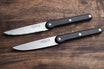

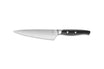
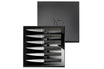
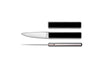
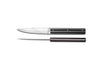
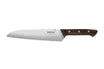

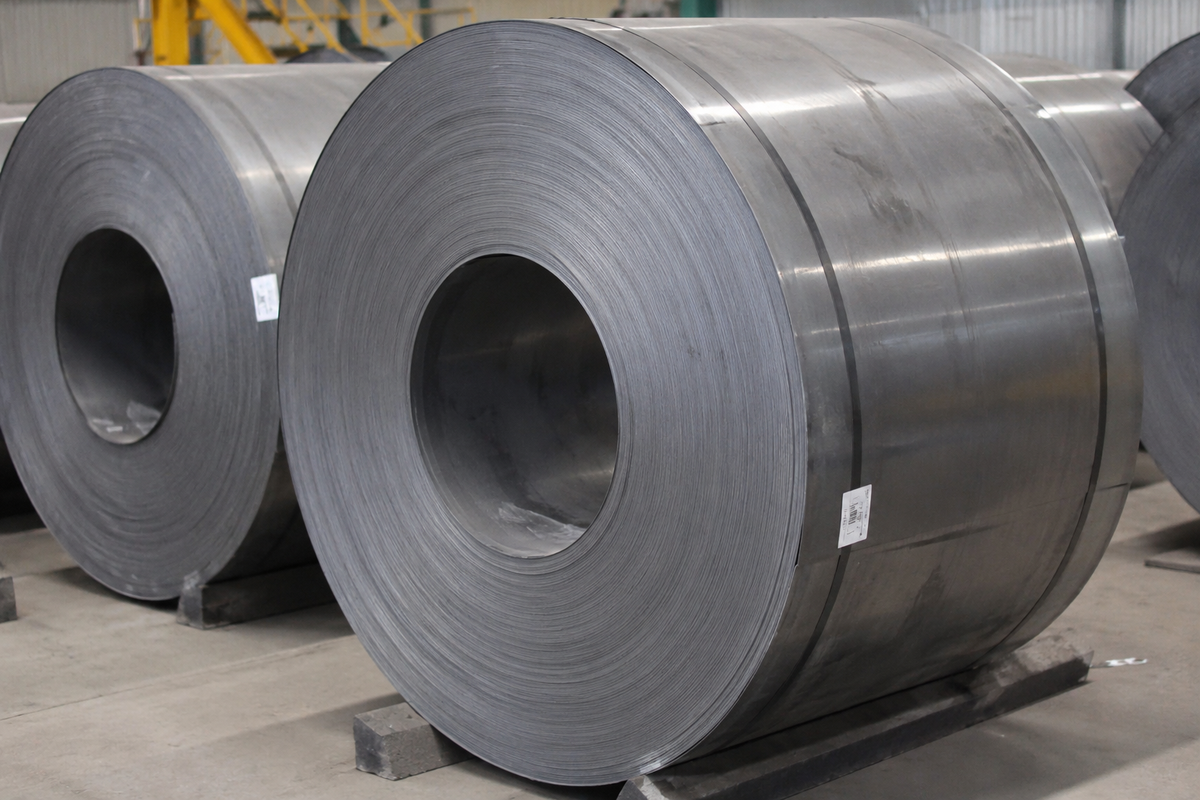
From raw steel to finished product: how a TB-1648 knife is made
Behind every TB-1648 knife is an integrated manufacturing chain, from raw material to finished product. This complete mastery, carried out by GDD (Générale de Découpage), the group's industrial sub...
Stainless steel, Damascus, HRC: understanding the soul of a kitchen knife
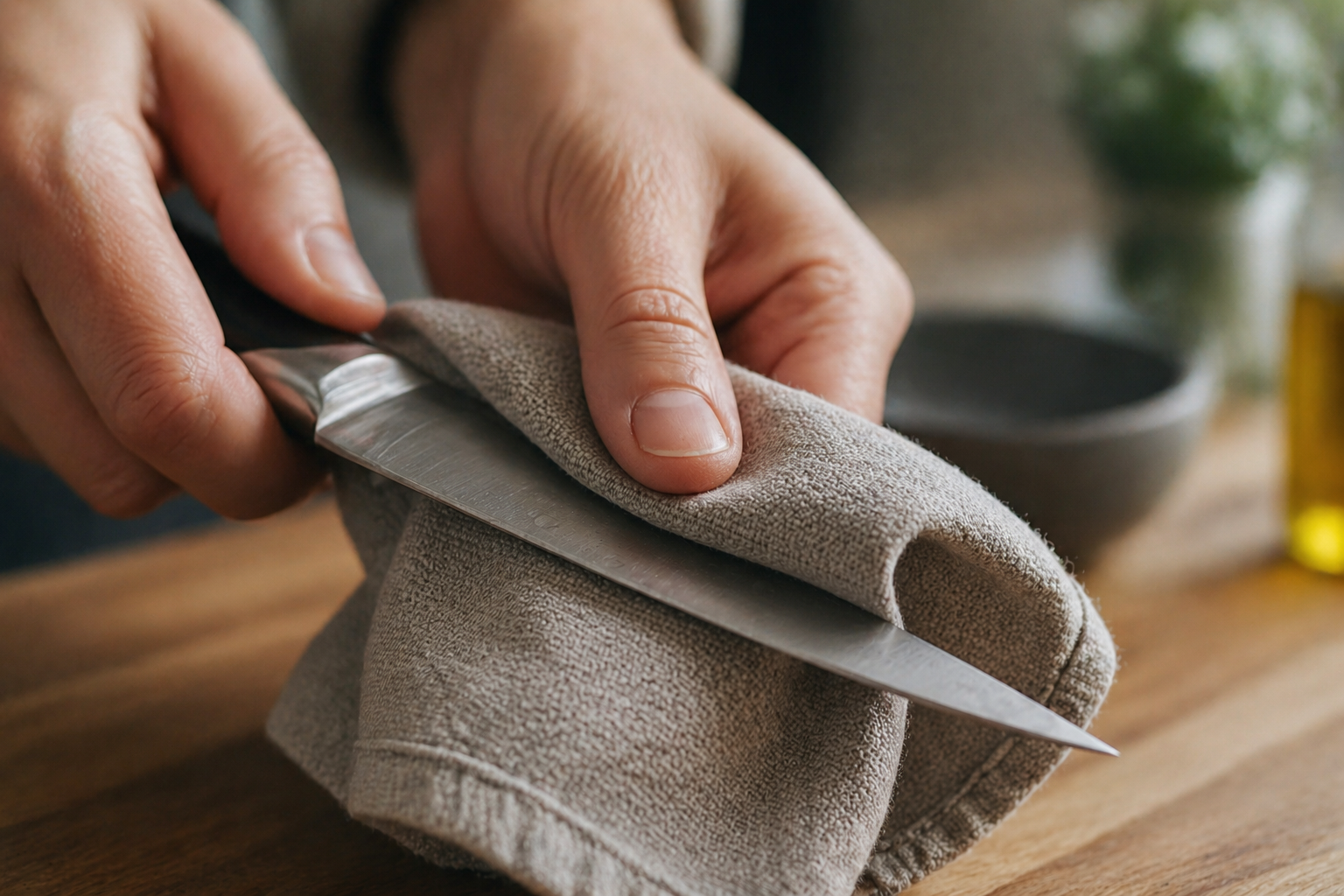
Kitchen knives are primarily distinguished by their materials. Yet, most buyers navigate between technical terms they poorly understand — "stainless steel," "Damascus," "HRC 58" — without knowing w...
How to choose your table cutlery: material, finish, style
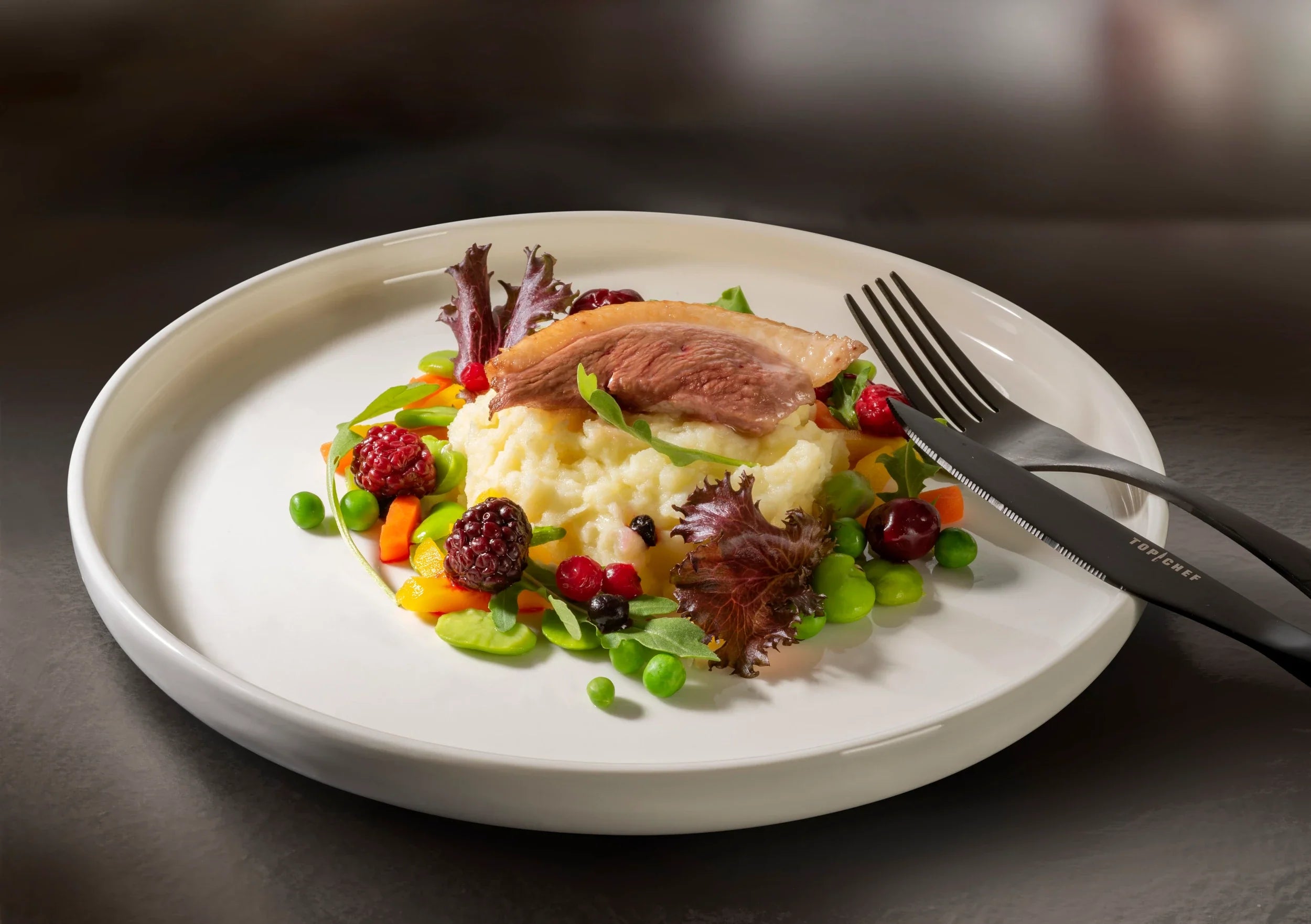
Stainless Steel Is Not a Single Material When we talk about stainless steel flatware, we are actually referring to several alloys with distinct properties. The most common grade in high-end produc...
Thiers, capital of cutlery, and the Tarrerias Bonjean legacy since 1648
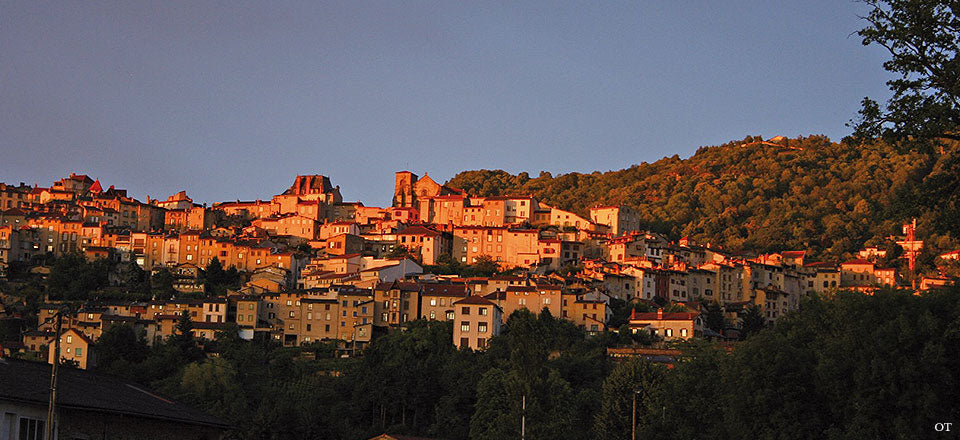
A city built around the knife Thiers is a city of 11,000 inhabitants in the Puy-de-Dôme region of France. This figure says little about its weight in French industrial history. Yet, for several ce...
Damascus steel: between blacksmithing myth and metallurgical reality
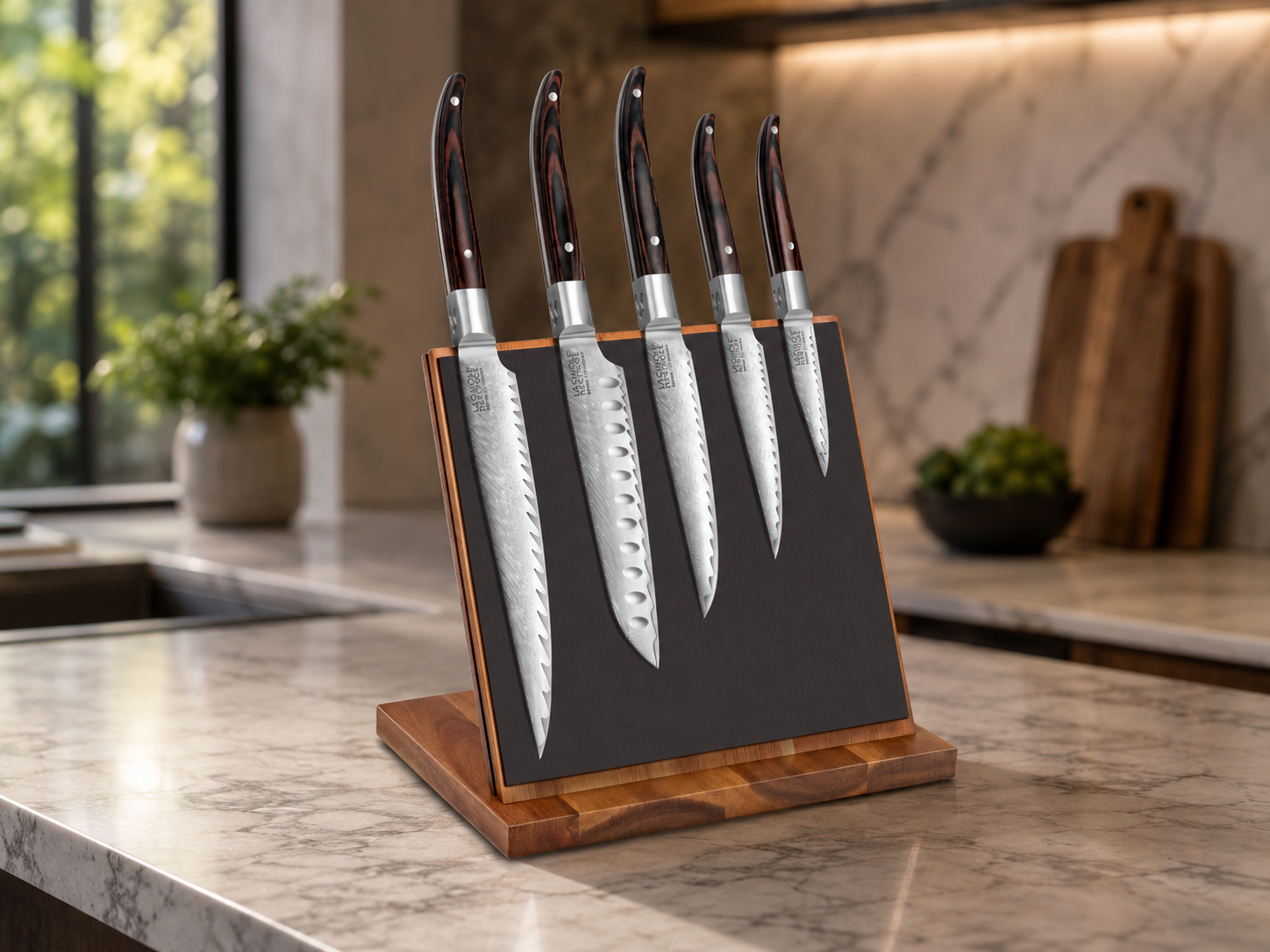
Damascus is one of the most frequently used — and most misunderstood — terms in cutlery. It evokes the medieval blacksmith, the legendary blade that cuts through marble, the transmission of ancestr...
Nanocut®: Nanometric Edge Technology in a Table Knife
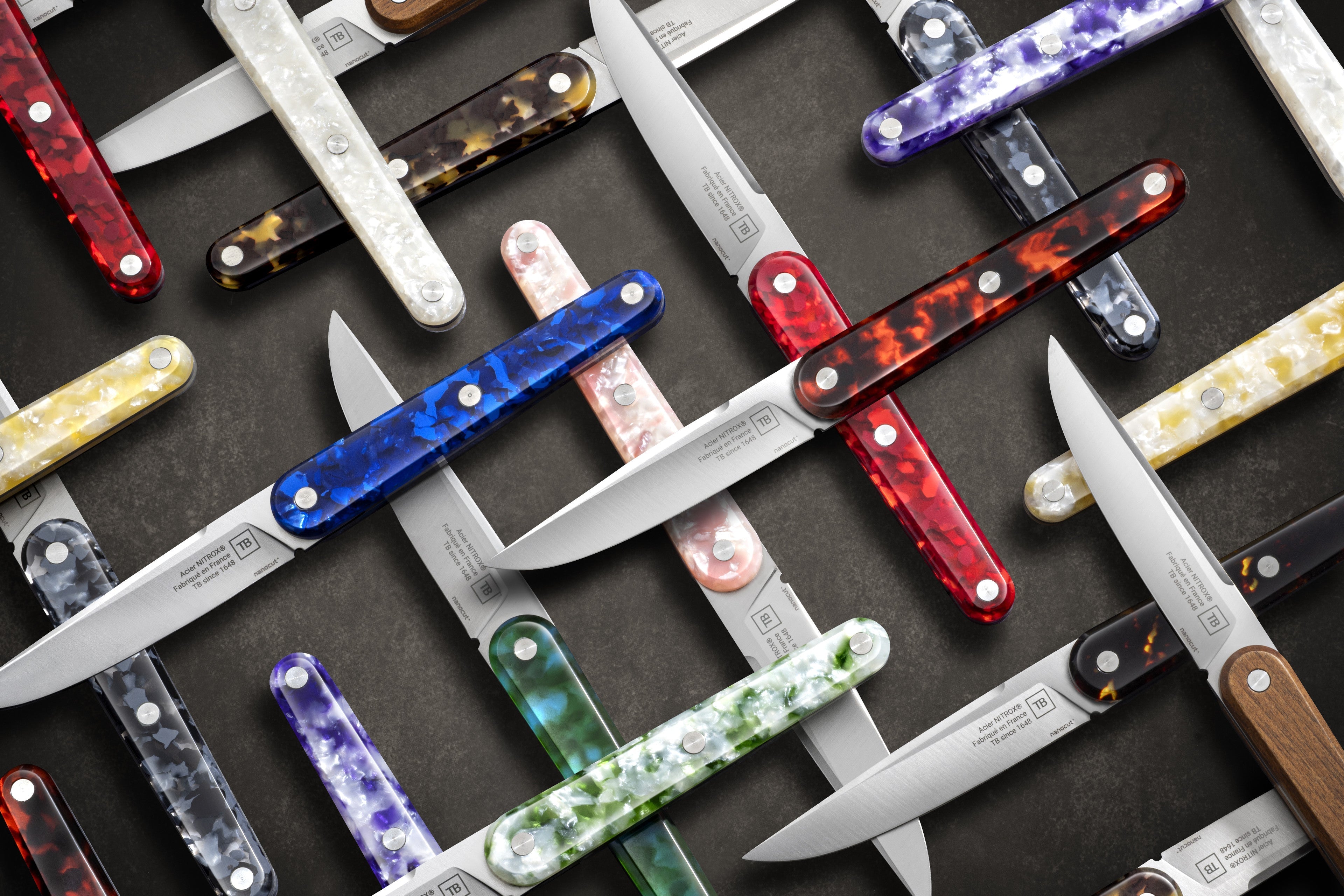
Most table knives are never considered on this scale. We talk about design, steel, sometimes hardness - but rarely about what happens on the last microns of the edge. This is precisely where Nanocu...
Which blade shape to choose depending on its use?
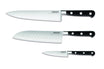
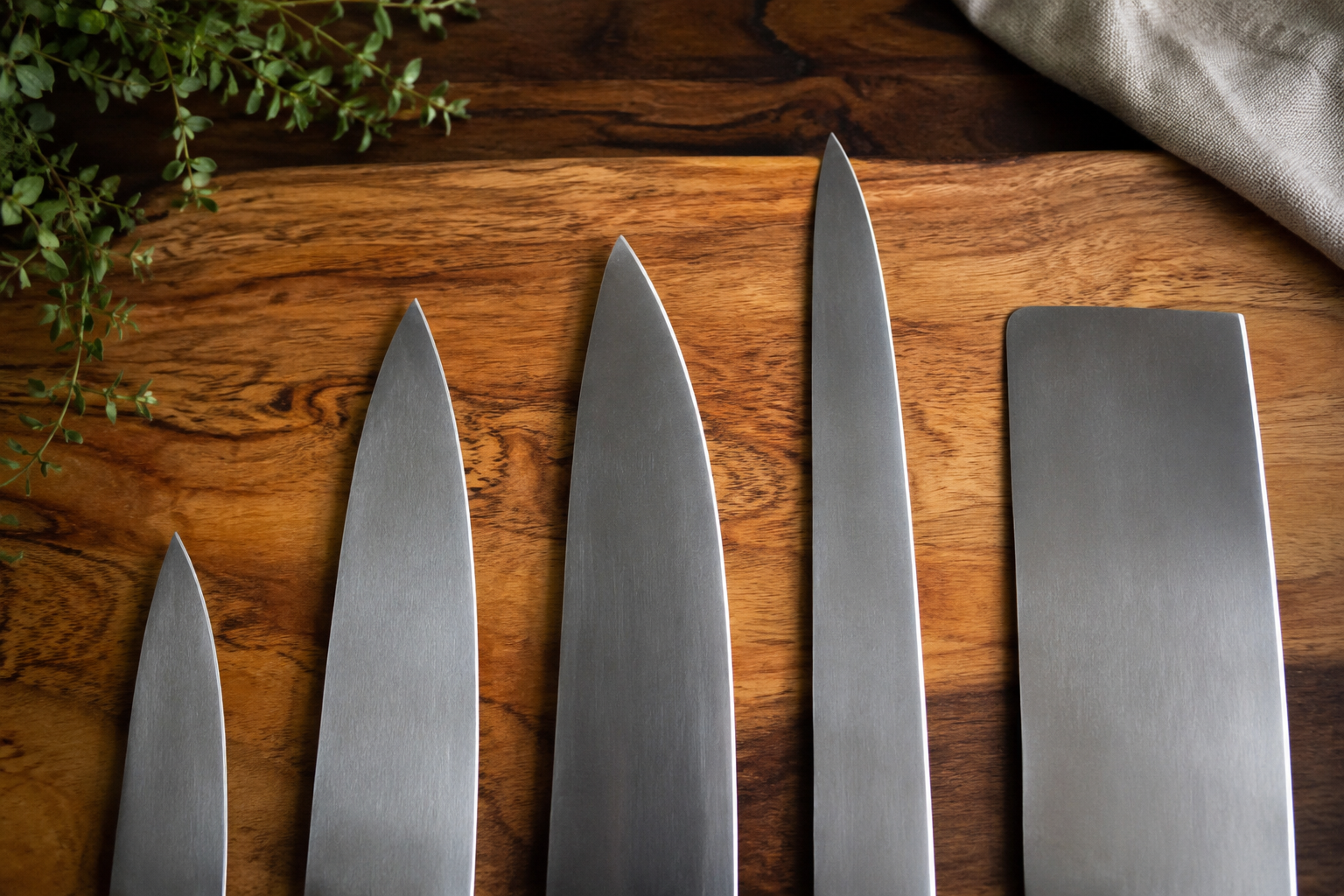
The geometry and shape of the blade define a knife's primary function. From a short blade designed for precision to a wide profile intended for slicing, each shape meets specific cutting and ergon...