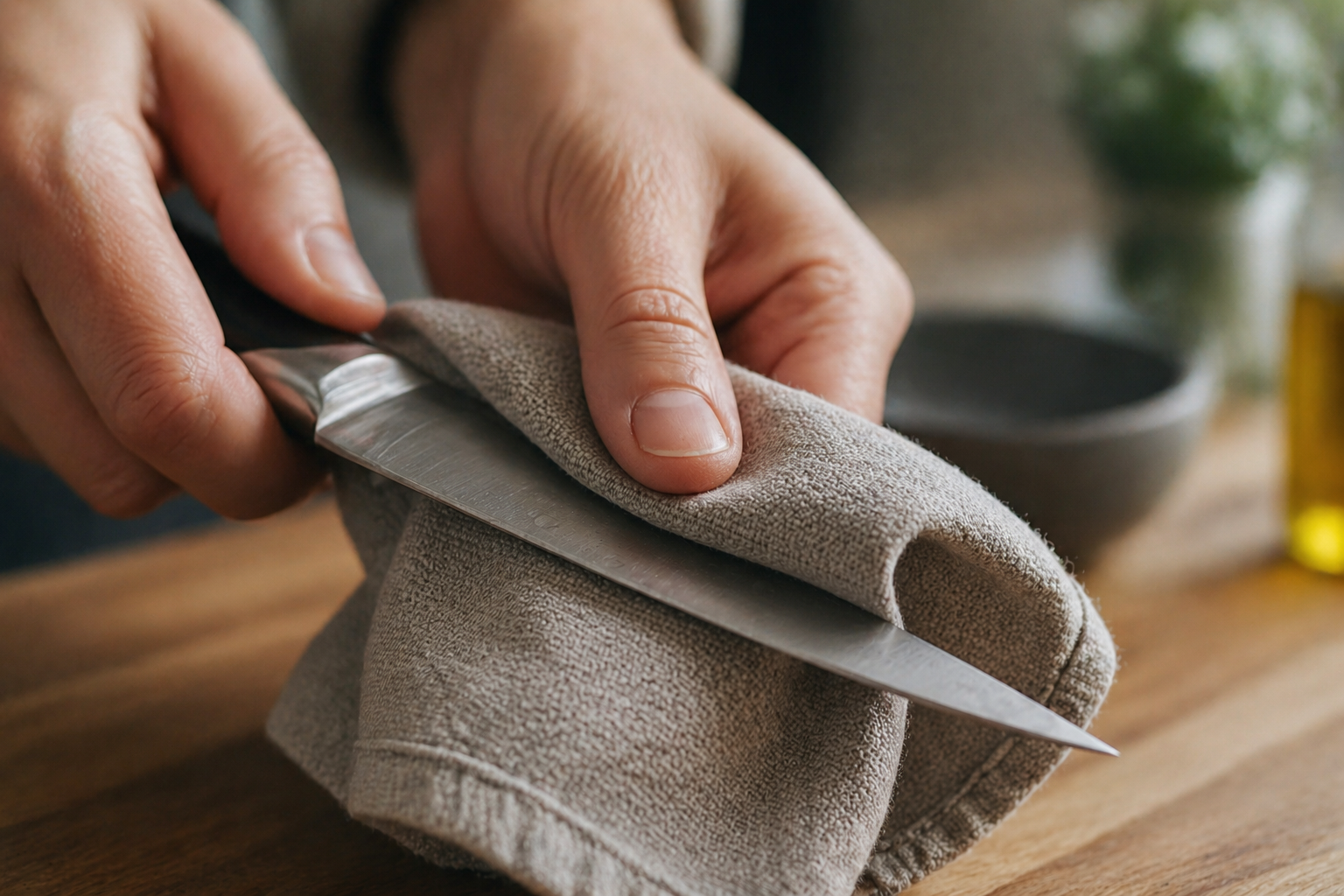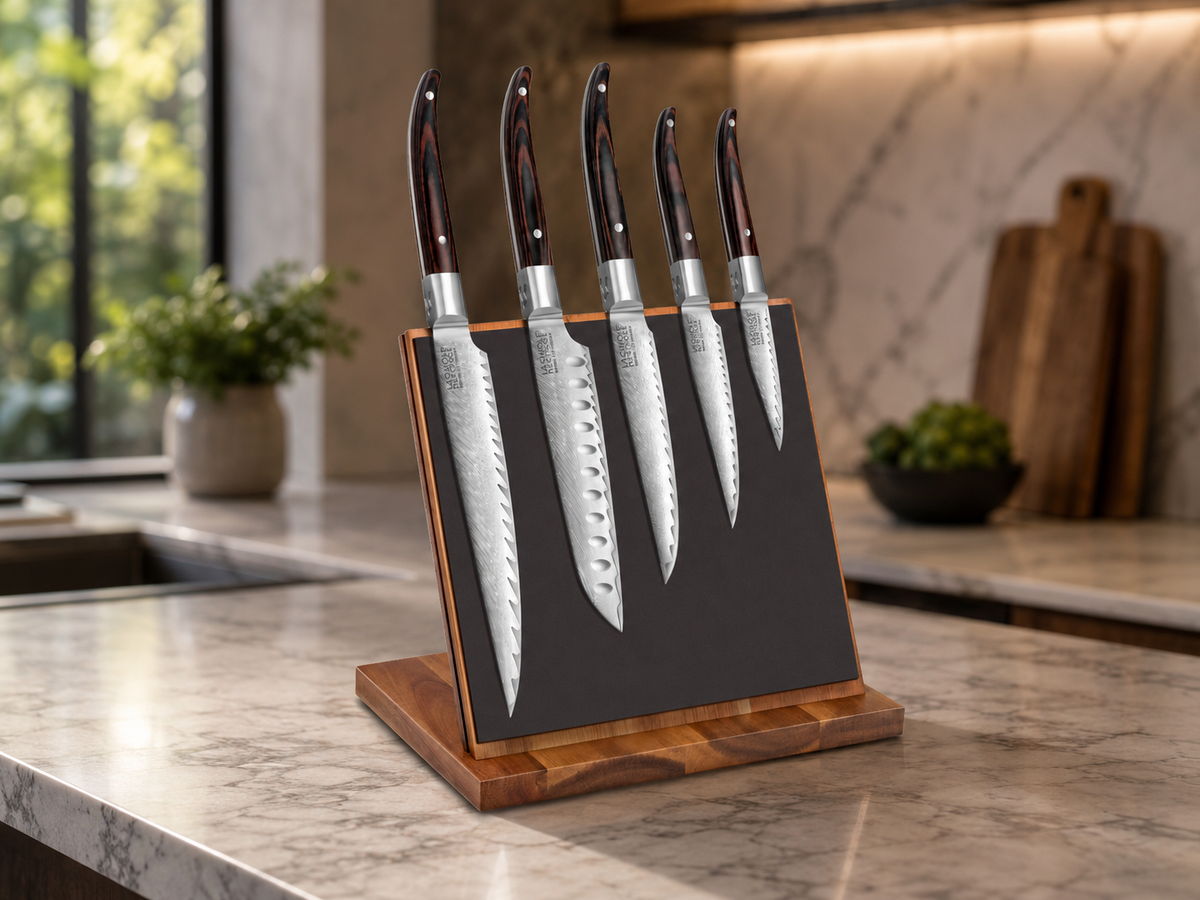
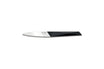
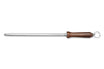

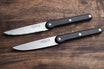

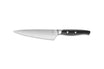
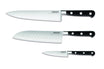

Behind every TB-1648 knife is an integrated manufacturing chain, from raw material to finished product. This complete mastery, carried out by GDD (Générale de Découpage), the group's industrial subsidiary, distinguishes a cutlery company that controls every step of its process rather than assembling separately subcontracted parts.
Key Article Points
- GDD, the group's industrial subsidiary, masters the entire value chain from raw steel to finished product.
- The manufacturing of a high-end knife follows a succession of technical steps: cutting, forging, heat treatment, grinding, handle fitting, quality control.
- Each step directly influences the final performance of the blade: hardness, edge retention, shock resistance.
Why Integrated Manufacturing Changes the Game
In the cutlery industry, many brands design their products without controlling their manufacturing: the design is conceived internally, and production is entrusted to third-party workshops. The SE Tarrerias Bonjean group operates differently. GDD, its industrial arm based in Thiers, handles the entire production process, from raw material to the finished product ready for sale.
This vertical integration allows for direct control over every technical parameter: quality of the steel used, precision of the heat treatment, consistency of sharpening. It also explains why TB-1648 kitchen knives can claim assumed French manufacturing.
What are the Main Steps in Blade Manufacturing?
The transformation of a steel sheet into a knife blade follows a sequence of standardized steps in the cutlery industry, applied here within an integrated chain.
Cutting and Blanking
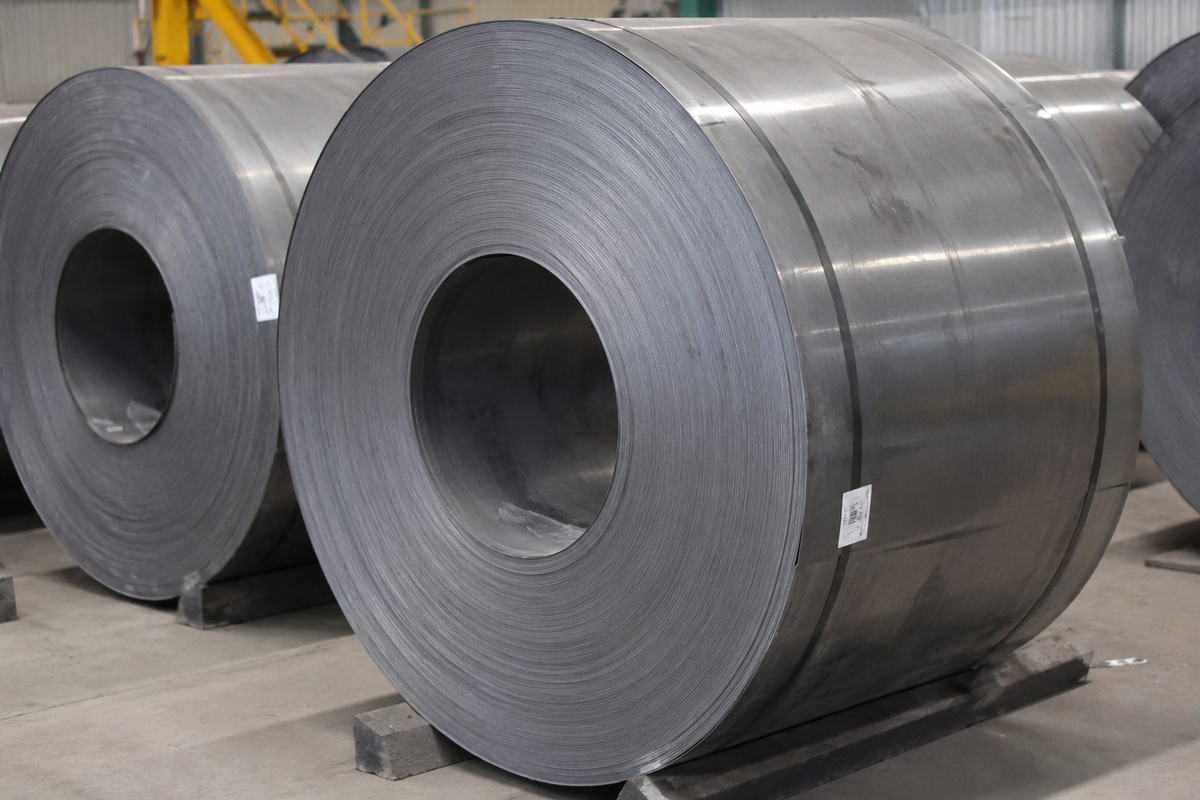
The rough shape of the blade, called a blank, is cut from a steel sheet according to the model's pattern. This step defines the general profile: length, width, tip shape.
Forging and Shaping
Depending on the range, the blade is forged to give it its final thickness and geometry. It is at this stage that Damascus-type layered steels are built, obtained by assembling and hammering several layers of metal.
Heat Treatment: Quenching and Tempering
Quenching involves heating the steel to a high temperature and then rapidly cooling it to give it its hardness. The subsequent tempering reduces the brittleness generated by quenching, without sacrificing the desired hardness. This step determines the final HRC range of the blade.
Grinding, Sharpening, and Polishing
The cutting edge profile is shaped by grinding, then sharpened to obtain the cutting edge. Polishing gives the blade its final finish, satin or polished depending on the range.
Handle Fitting
The handle is assembled onto the tang of the blade, whether it is made of wood (olive), stabilized composites (Hydrawood, Pakkawood), or technical polymers (POM). This step influences the balance and grip of the finished knife.
Quality Control and Marking
Before shipment, each piece is inspected. Brand or logo marking, when planned, is done by laser marking, a technique that alters the metal surface without removing any thickness.
Comparison of Steps and Their Impact on the Finished Product
| Step | Technical Objective | Impact on Finished Knife |
|---|---|---|
| Cutting | Define blade profile | Shape and intended use |
| Forging | Structure the material (including Damascus) | Aesthetics and steel structure |
| Quenching / Tempering | Set hardness (HRC) | Edge retention and shock resistance |
| Grinding / Sharpening | Create the cutting edge | Immediate cutting performance |
| Handle Fitting | Assemble the handle | Balance and comfort of use |
What Does This Mean for the End User?
An end-to-end controlled manufacturing chain limits quality variations from one batch to another. It also allows for precise adjustment of blade hardness to the intended use, as in the Expression range, where Damascus blades are processed for a hardness range of 52 to 54 HRC.
To learn more about choosing hardness, consult our article Which HRC hardness to choose for a knife?. To discover knives from this integrated manufacturing, the Excellence collection is available directly online.
Frequently Asked Questions
Are all TB-1648 knives manufactured using the same process?
The main steps (cutting, heat treatment, sharpening, handle fitting) apply to all kitchen knives, with parameters adjusted according to the range and type of steel used.
Why are some blades forged and others not?
Forging is necessary to construct layered steel structures like Damascus. Other equally mastered manufacturing processes apply to monobloc steel blades.
What exactly is GDD?
GDD (Générale de Découpage) is the industrial subsidiary of the SE Tarrerias Bonjean group. It masters the entire production chain, from raw steel to the finished product.
Glossary
Blank: rough shape cut from the steel sheet before blade shaping.
Quenching: heat treatment that hardens steel by heating then rapid cooling.
Tempering: heat treatment applied after quenching to reduce steel brittleness.
Handle Fitting: operation of assembling the handle onto the blade tang.