




What accessories are essential for your kitchen knives?
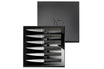
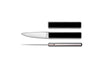
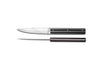
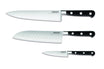
To guarantee the longevity, safety, and exceptional sharpness of your knives, several accessories are essential. Far from being mere gadgets, they are an extension of your investment. The four pillars of a well-maintained cutlery set are: a sharpening steel to maintain the blade's edge, a storage block to protect the knives (and your hands), a quality cutting board to preserve the edge, and specific tools like an oyster knife for delicate tasks. By adopting these essential companions, you ensure your TB 1648 blades perform optimally year after year, while working more efficiently and safely.
How to keep your knives perfectly sharp?
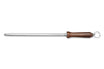
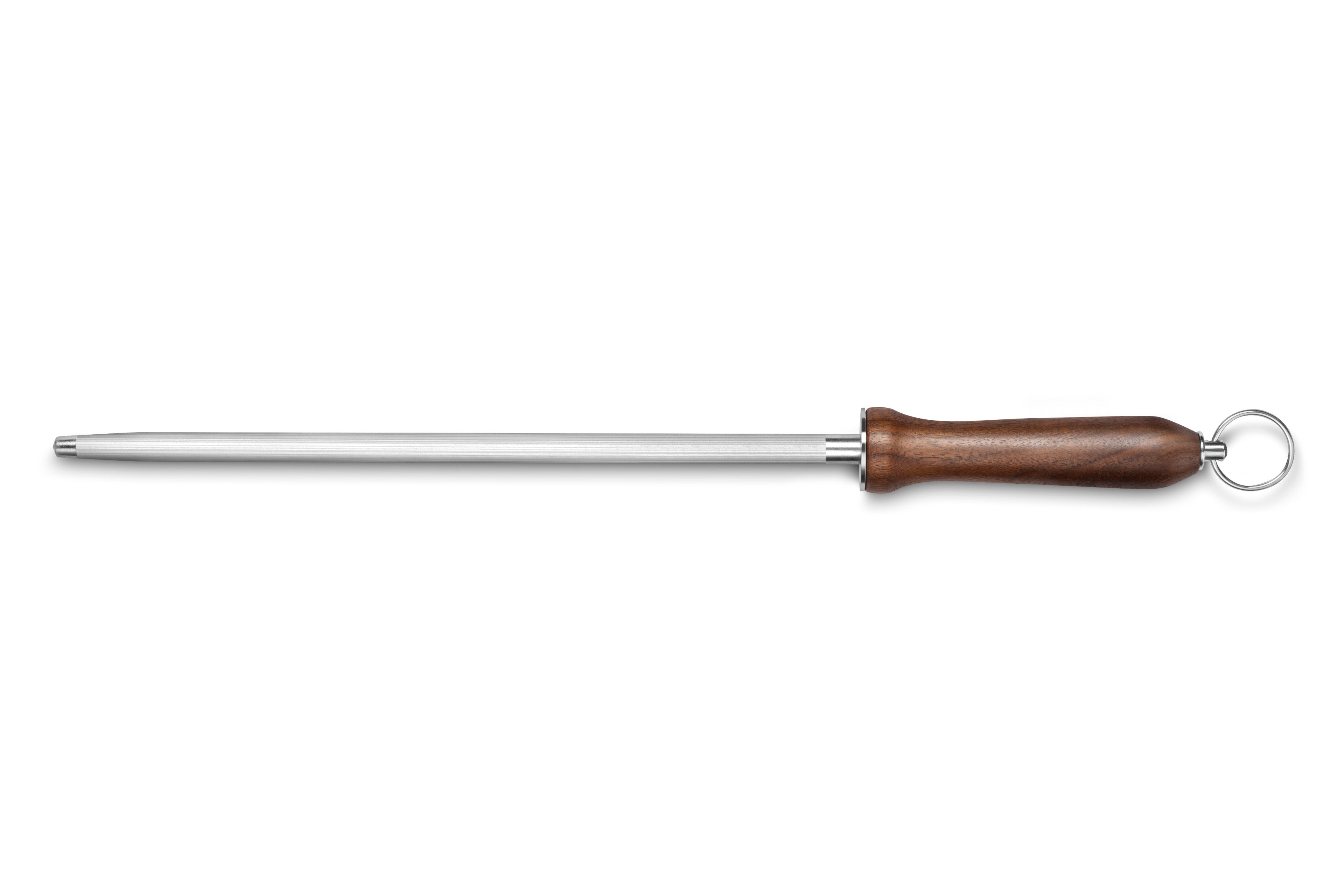
The solution is simple and used by all professionals: the sharpening steel . It's the ultimate maintenance tool which, when used regularly, keeps a blade's edge sharp and maintains a razor-sharp cut. It doesn't recreate the edge, it preserves it.
What is the difference between sharpening and honing?
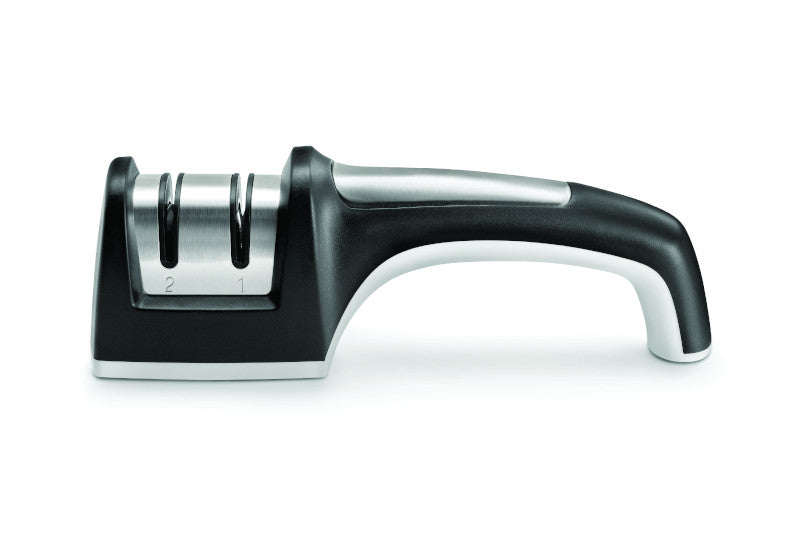
This is a crucial distinction. Sharpening refers to the action of the honing steel: it straightens the edge of the blade, which bends microscopically with use. This is a frequent maintenance task (even before each use). Honing , on the other hand, is a less common operation that involves removing metal to recreate the cutting angle when the edge is severely worn. Honing is done with a whetstone or a sharpening tool.
How to properly use a sharpening steel
The technique is simple once mastered. Follow these steps for a professional result:
- Stability: Hold the rifle vertically, with the tip firmly stable on a cutting board.
- Angle: Present the blade of your knife at the top of the rifle at an angle of approximately 20°.
- Movement: Slide the blade downwards and towards you in one smooth motion, as if "slicing" a thin slice off the rifle. The movement should cover the entire length of the blade, from heel to tip.
- Alternating: Repeat the same movement on the other side of the sharpening steel to sharpen the other side of the blade. Five to six passes on each side are sufficient.
How to store your knives safely?
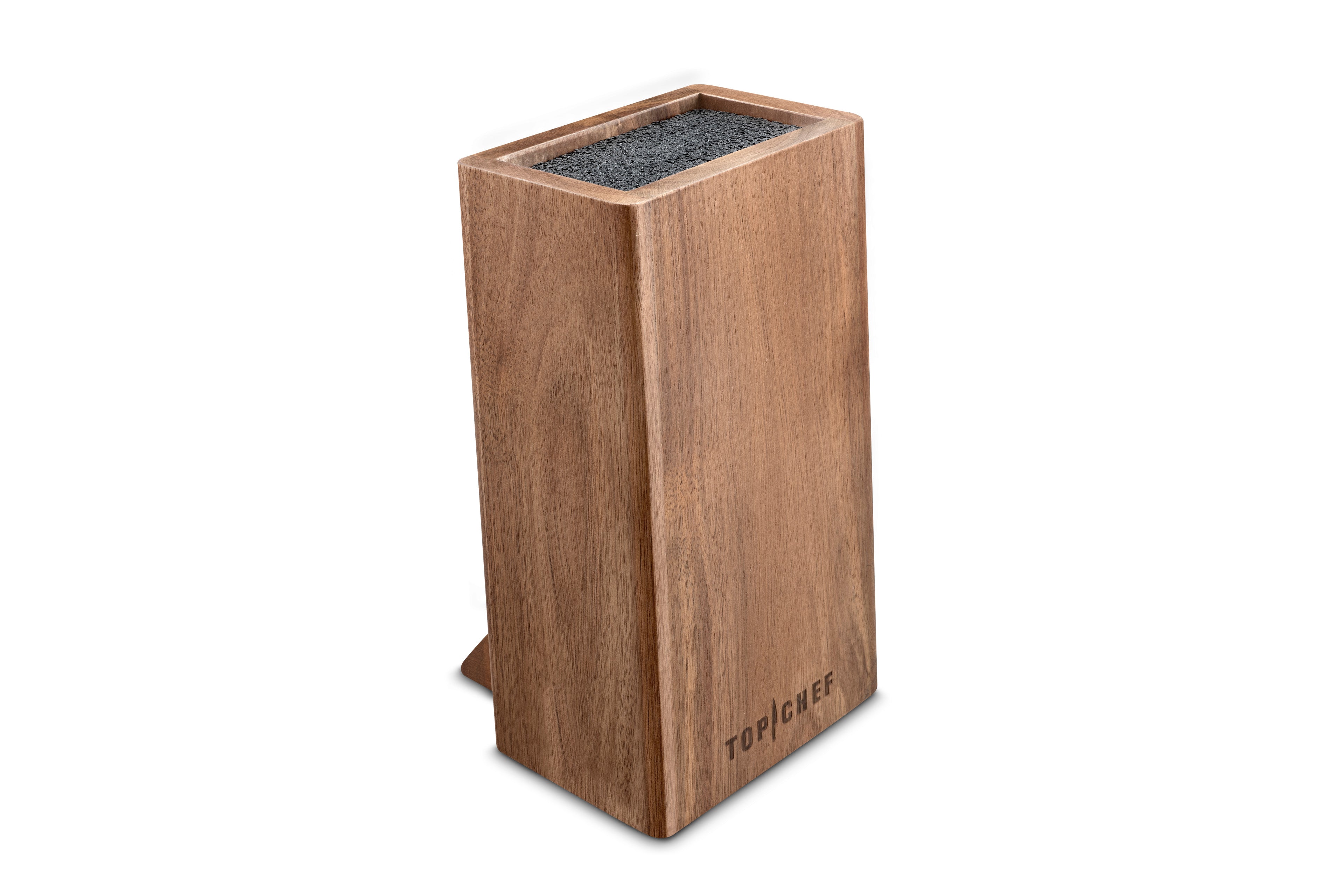
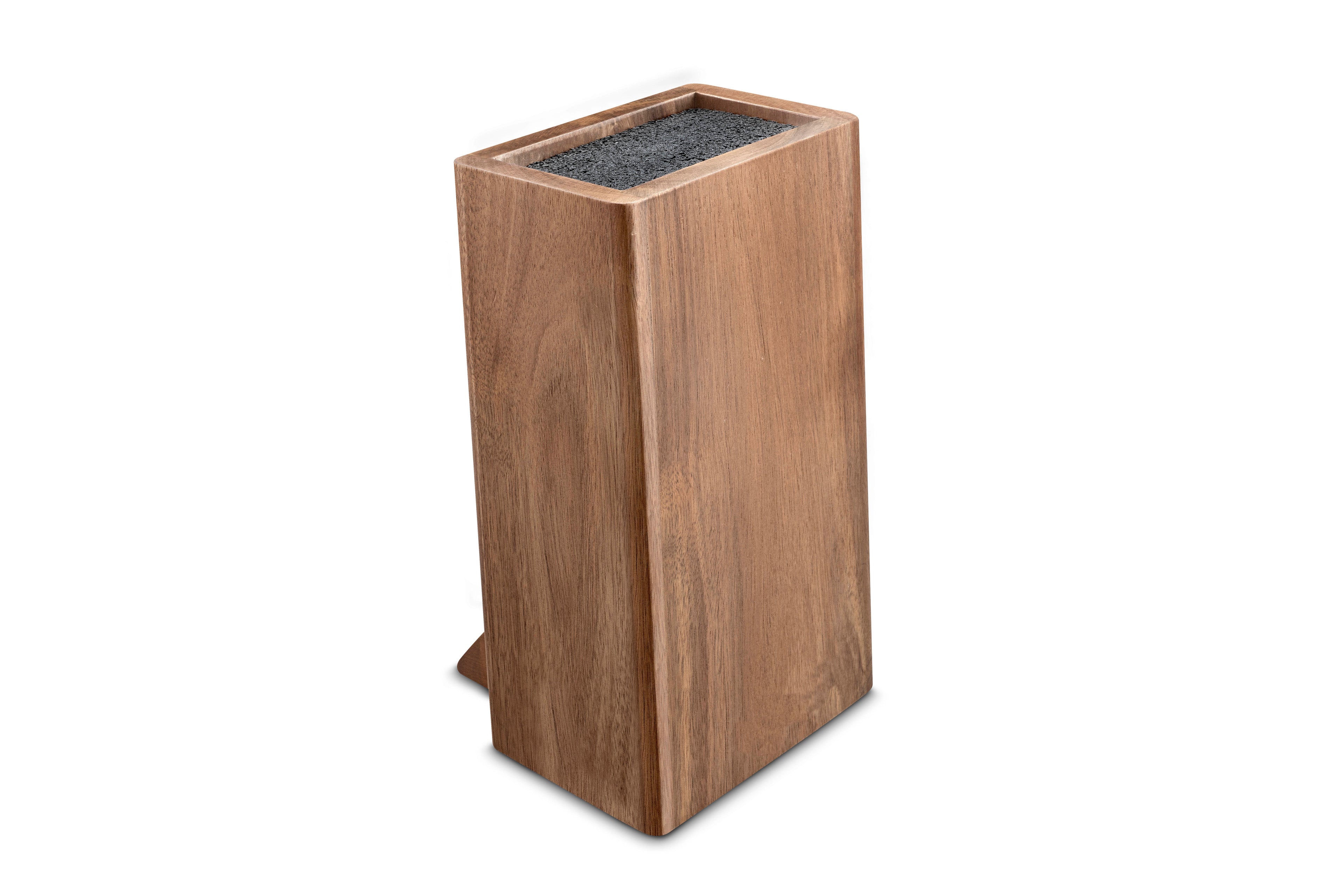
The answer is unanimous: use a knife block . Storing your knives loose in a drawer is the best way to damage them (blades bumping against each other) and cut yourself. A knife block is the safest, most practical, and most elegant solution.
Why is it crucial not to store your knives in a drawer?
For two main reasons. First, safety : no more risk of cutting yourself while searching for a utensil. Second, protection of your blades : in a block, the edges don't collide, which preserves their sharpness and prevents chipping. Your knives stay sharp longer.
What are the different types of knife blocks?
- The wooden block: This is the classic choice. Wood is a soft material that won't damage the blades. It's a beautiful object that keeps your knives organized and within easy reach.
- The universal block: Filled with synthetic fibers (like spaghetti fibers), it allows you to store any knife, without a fixed slot. Very flexible.
- The magnetic block: A bar or block with magnets that displays the blades. It's a very hygienic and modern solution, allowing you to choose your knife in the blink of an eye.
Which cutting board should you choose to protect your knives?
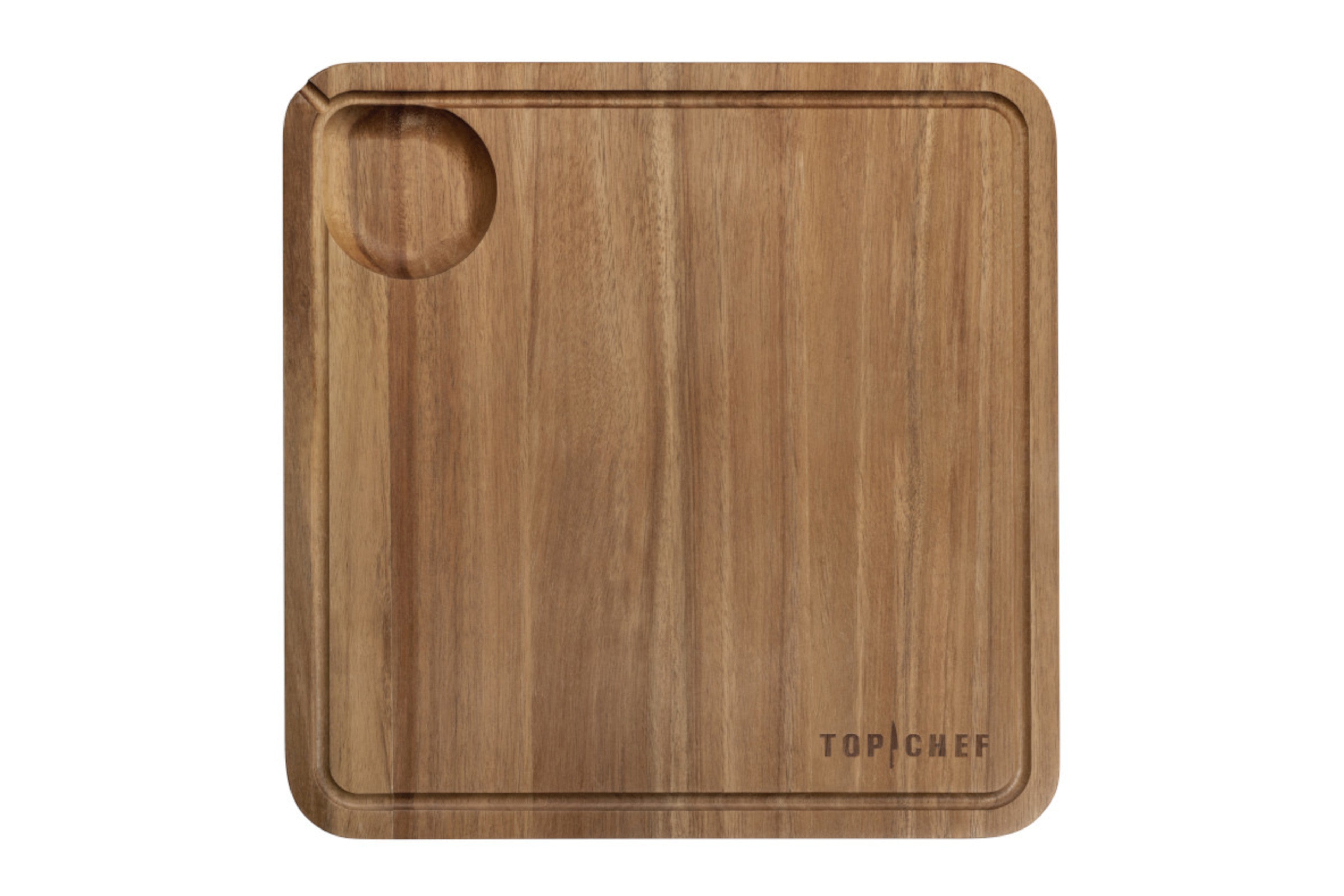
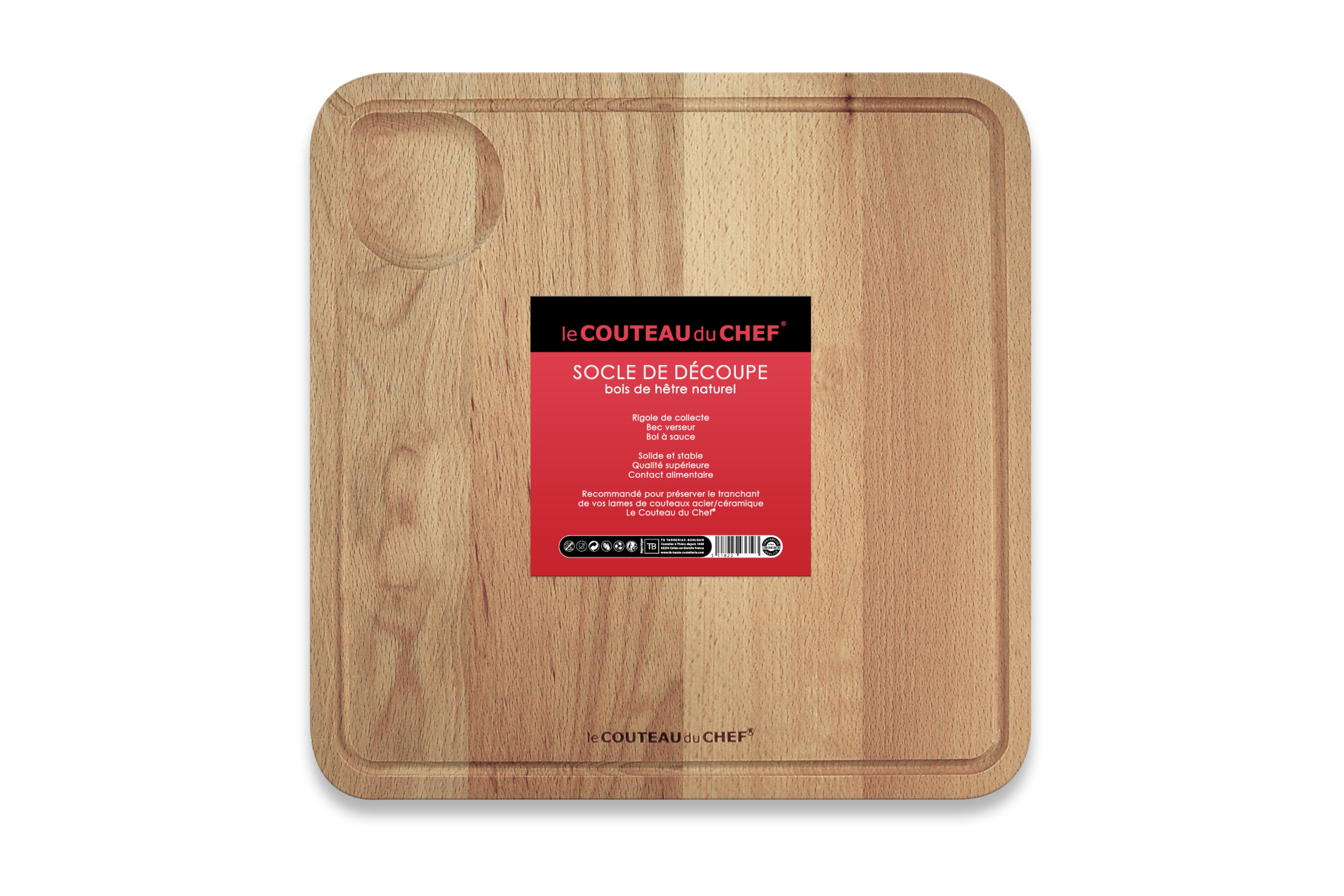
The ideal cutting board must, above all, be gentle on the edge of your knives. The choice of material is therefore crucial. It must also be stable and hygienic. This is the surface on which your knives will be used every day.
Wooden or plastic cutting board: which to choose?
- The wooden cutting board: This is the preferred choice of chefs because it's gentle on blades. An end-grain wood model is particularly durable and hygienic because its fibers tighten after cutting. It's long-lasting and attractive, but requires hand washing (not dishwasher safe).
- The plastic (HDPE) cutting board: Very practical, it is non-porous and dishwasher-safe. However, it marks more easily, and deep grooves can trap bacteria. It is also slightly less gentle on knife edges. It is advisable to replace it when it is too worn.
Our advice: Ideally, have two! One wooden one for vegetables, fruit and bread, and one plastic one reserved for raw meat and fish to avoid cross-contamination.
What tool should I use to open oysters easily?
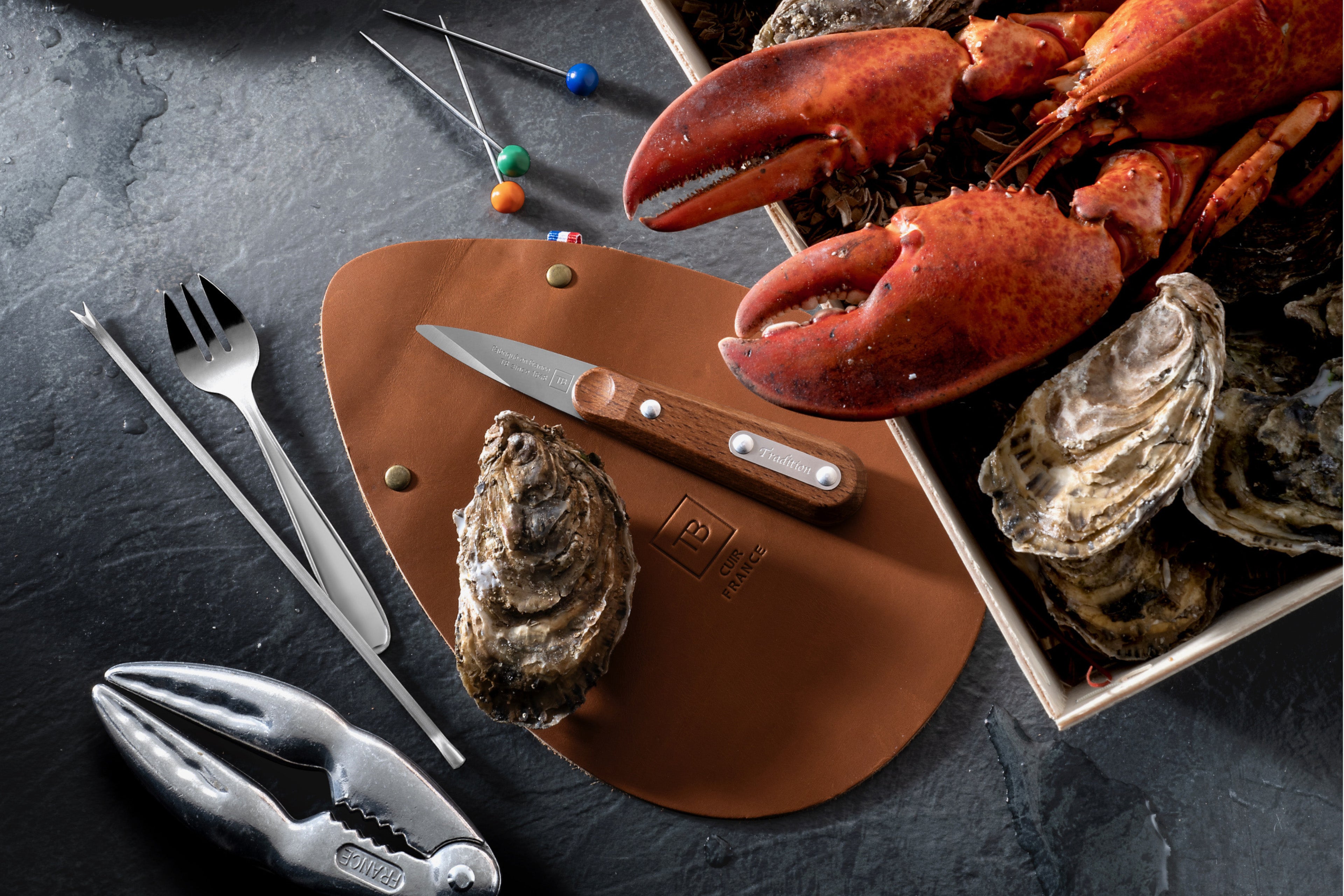
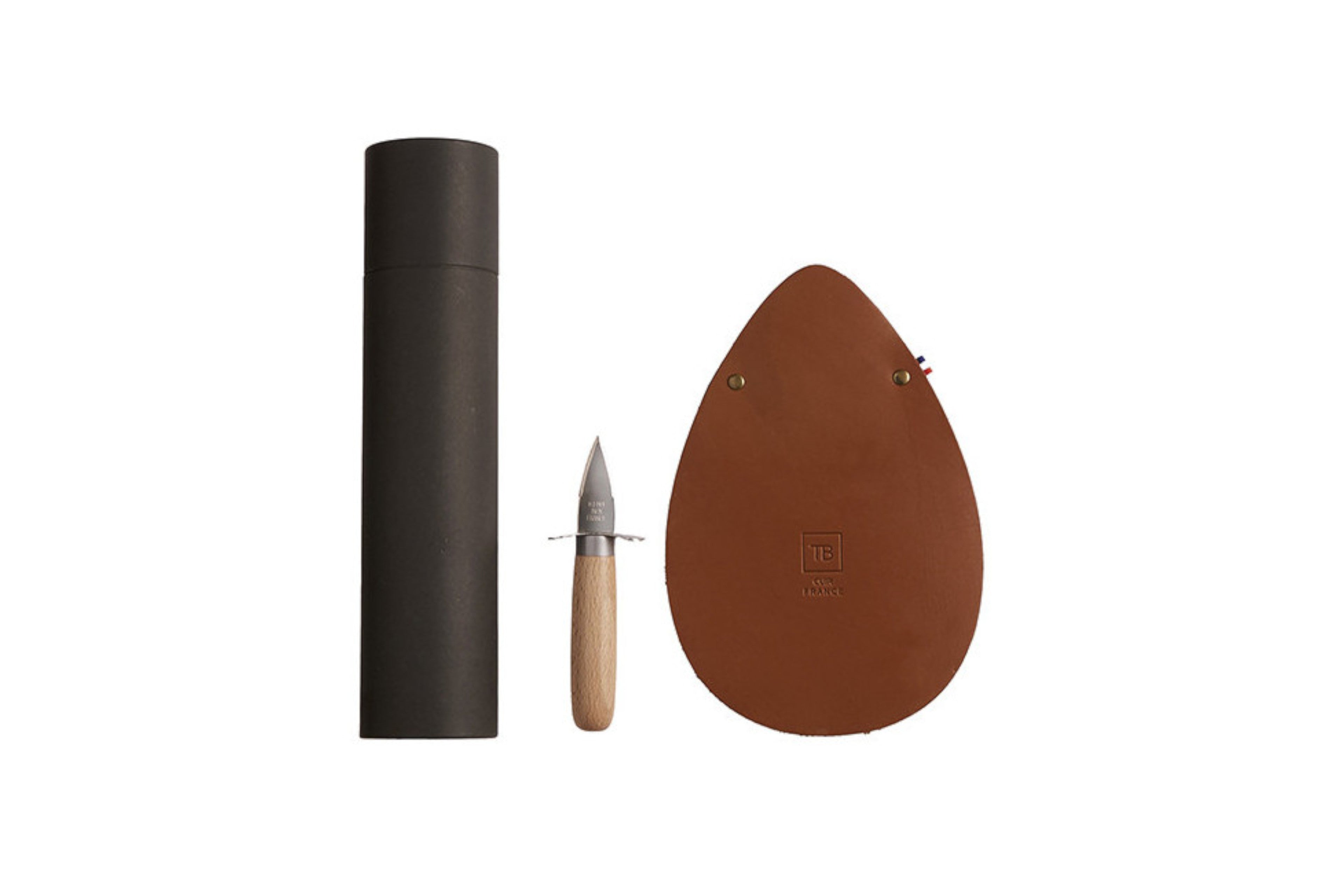
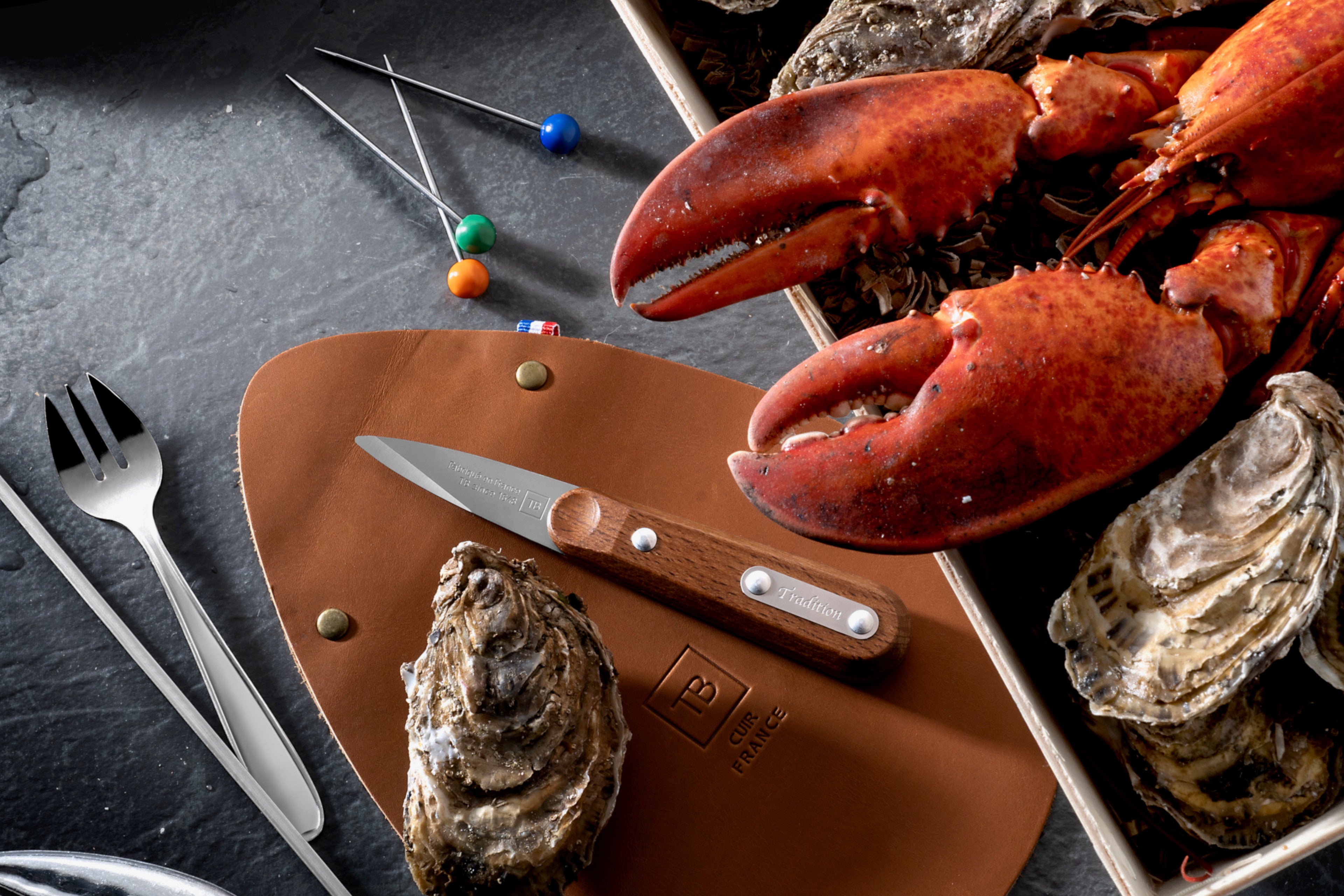
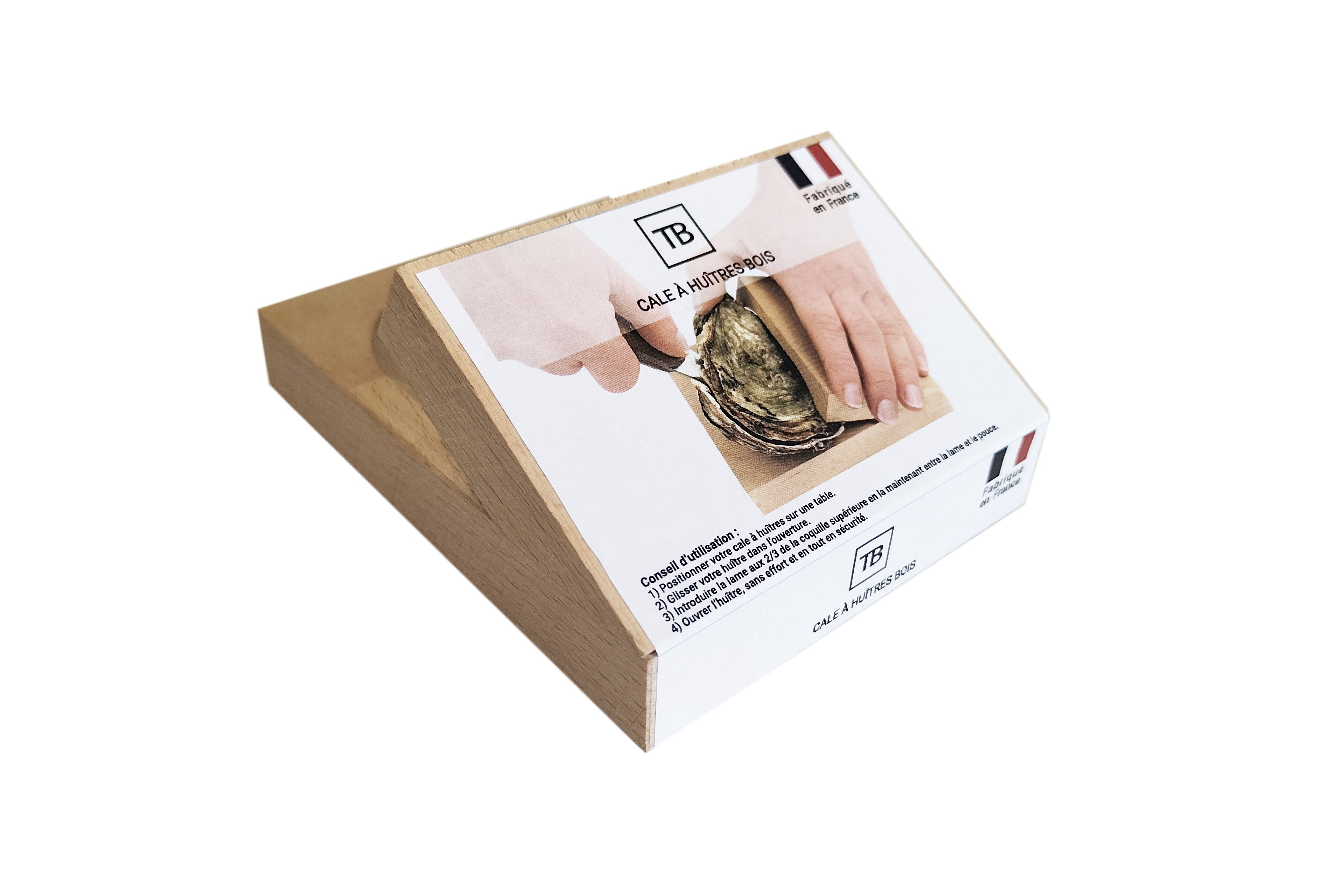
For this task, only one tool is suitable: the oyster knife , also called a lancet. Using any other knife is ineffective and extremely dangerous. The oyster knife is specifically designed to be used as a safe lever.
What defines a good oyster knife?
A quality oyster knife can be recognized by three elements: a short, thick and rigid stainless steel blade (to resist corrosion); a pronounced guard to protect the hand and prevent it from slipping towards the blade; an ergonomic handle that offers an excellent grip, even when wet.
How to open an oyster step by step?
With the right tool and a cloth to protect yourself, the process is simple:
- Position: Hold the oyster in your protected hand, hollow part underneath and hinge (the tip) towards you.
- Insert: Insert the tip of the lancet into the hinge by 1 cm.
- Use leverage: Turn your wrist sharply to pop the "lock".
- Detach: Slide the blade along the upper shell to cut the muscle and remove it.
- To finish: Slide the knife under the flesh to detach it from the lower shell. Drain the first liquid and enjoy!