


Knives and Fall Squash: Which Blade for Which Cut
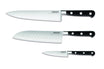
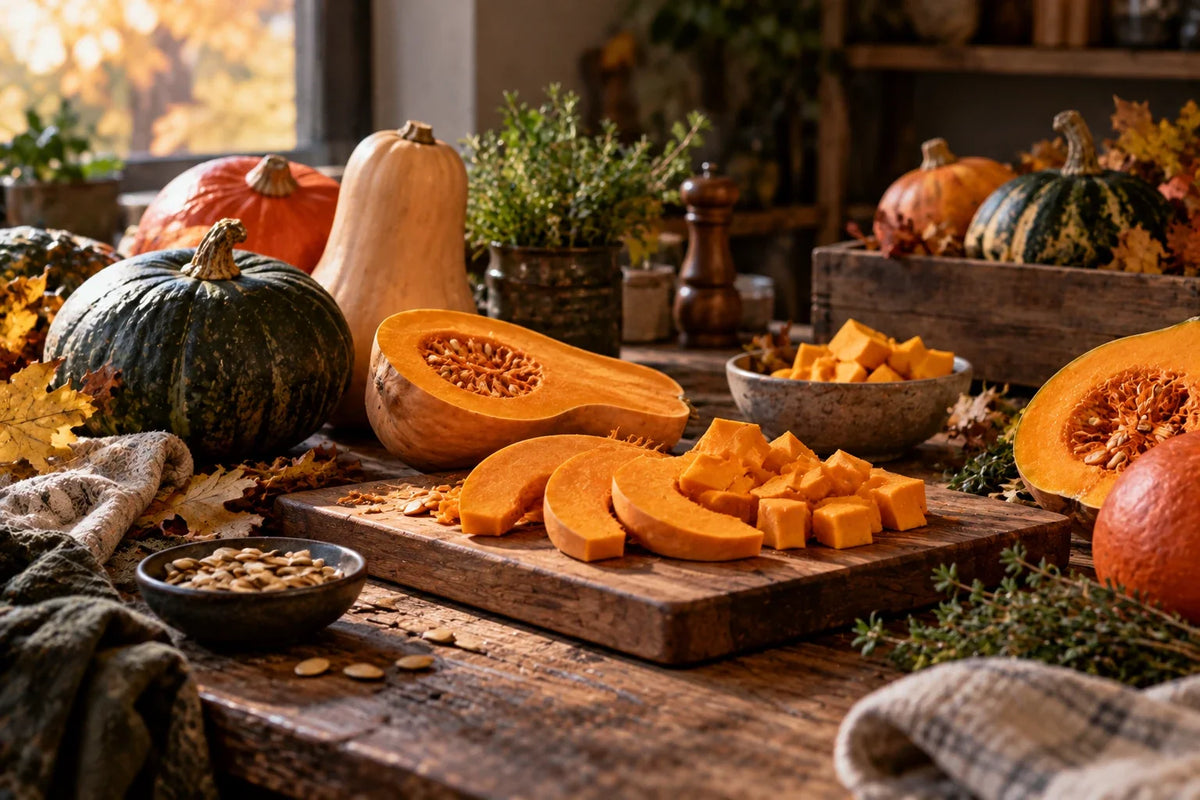
Fall brings squash back to the market stalls, and with it a recurring challenge in the kitchen: their thick skin and dense flesh put poorly chosen blades to the test. The right knife makes as much ...
Storing Your Knives: Block, Magnetic Strip, or Drawer—What to Choose?
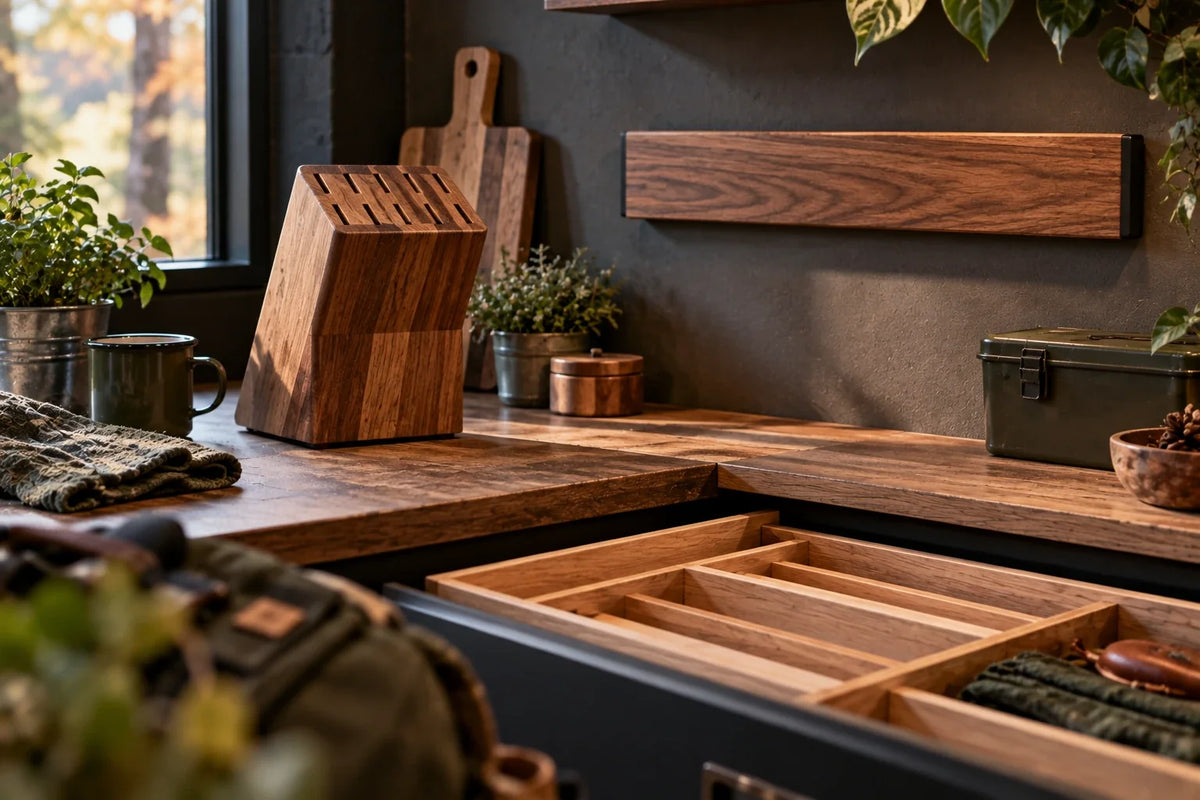
A high-end knife is also judged by how it is stored. A freshly sharpened edge quickly dulls if it rubs against other utensils in a jumbled drawer. Wooden block, magnetic strip, or organized drawer:...

Suricate in the spotlight in the local press
A big thank you to 7 Jours à Clermont for this lovely article about the Suricate® knife! It's always a pleasure to see the Suricate® in the spotlight in the local press: a great article that traces...

Lexicon of French Cutlery: Technical Terminology Explained
Choosing a high-end knife requires understanding precise technical vocabulary. Tang, bolster, ricasso, full tang: these terms describe elements that directly determine a knife's strength, balance, ...
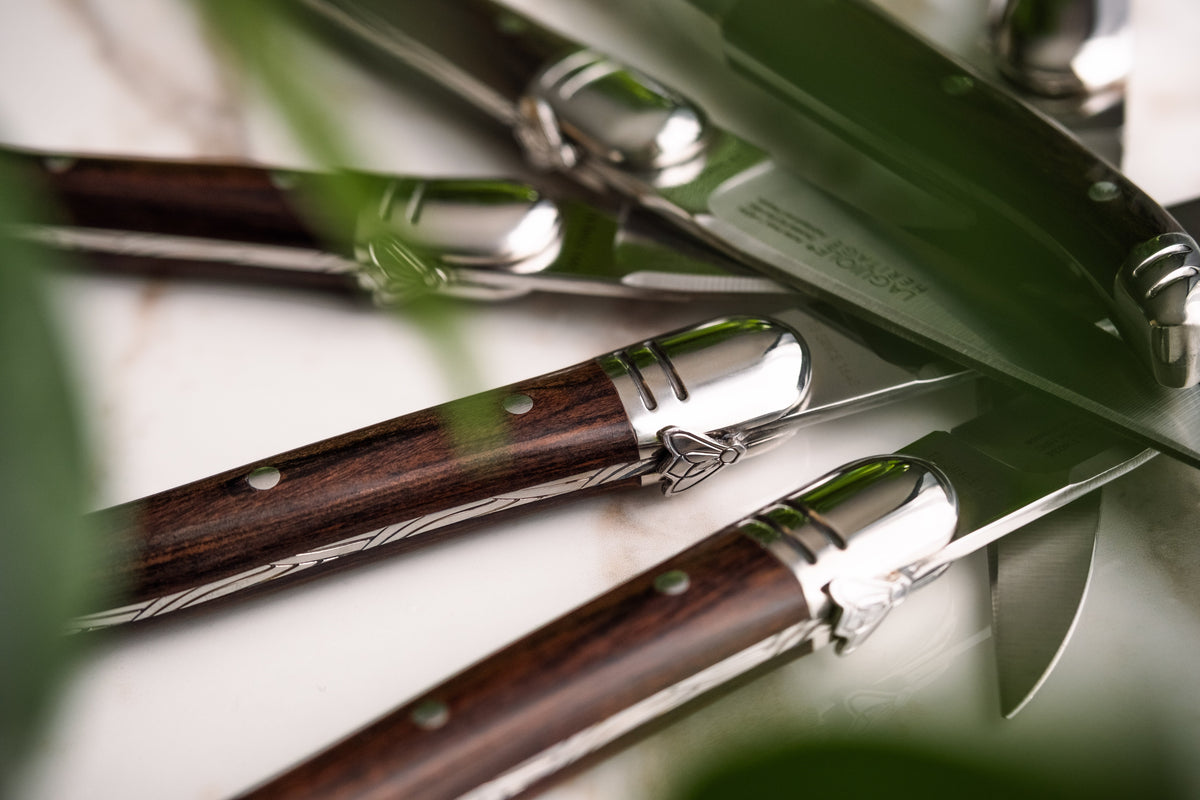
Handle POM, olive wood, Hydrawood or pakkawood: which to choose?
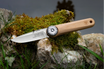
A knife handle is as important for the grip as it is for the durability of the object over time. The TB-1648 range features four materials: POM, olive wood, Hydrawood, and pakkawood. Each offers a ...
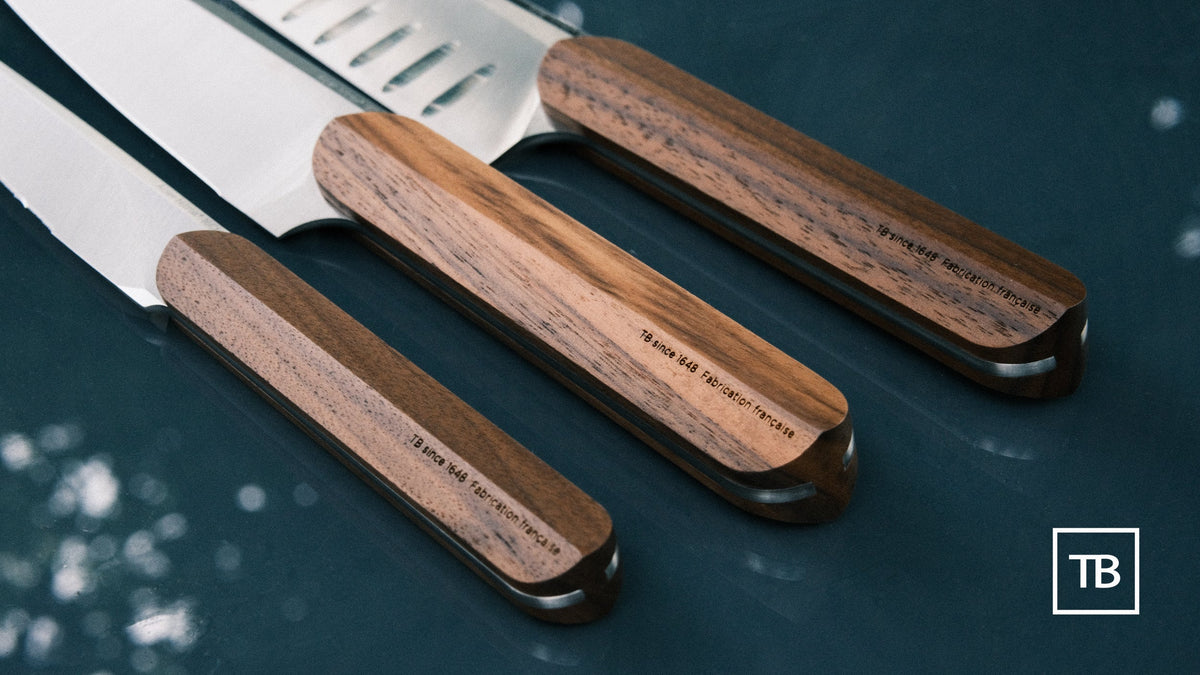
Sharpening a high-end knife without damaging it: stone, honing steel, or electric sharpener?
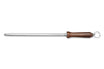
A high-end knife is distinguished by the quality of its steel and the precision of its cutting edge. If poorly sharpened, it quickly loses this advantage, or even gets permanently damaged. Whetston...
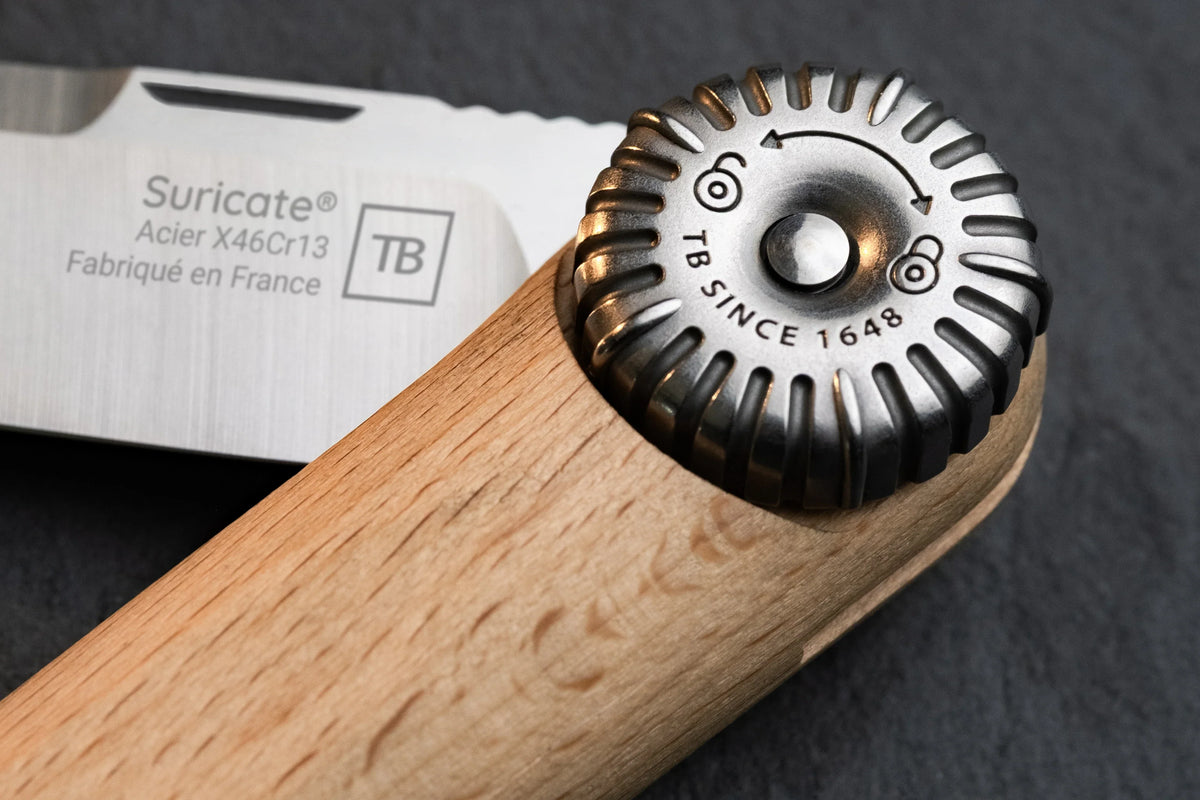
Branded knife: the corporate or wedding gift idea that makes sense
A personalized knife is one of those gifts that stand the test of time without going out of style. Contrary to popular belief, this personalization is not done through engraving, but through laser ...