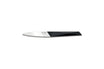

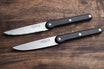

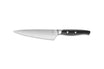
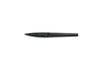
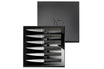
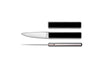
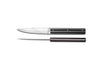

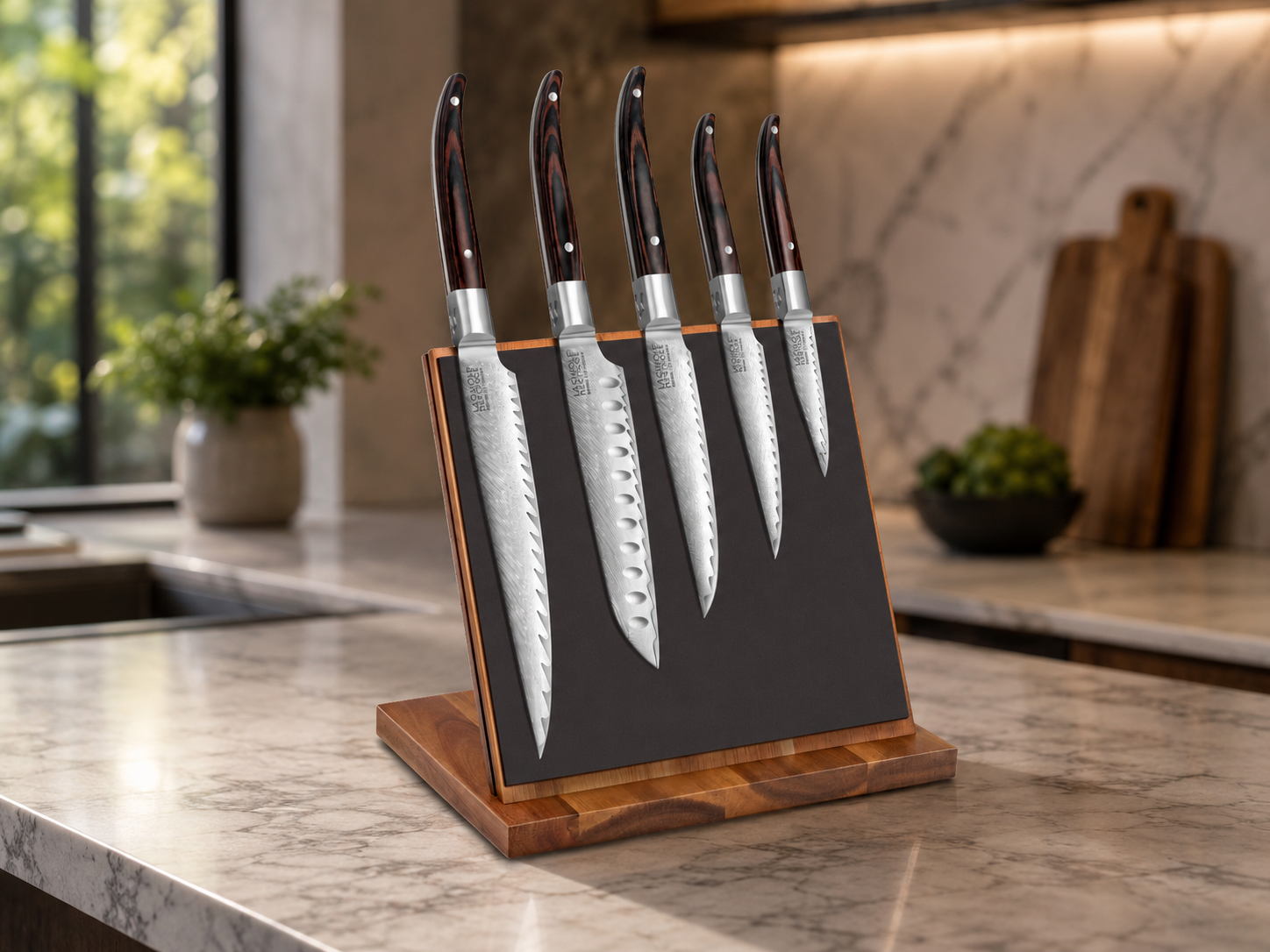
A Damascus blade captivates with its unique pattern, the result of layered steel forged in multiple layers. But this structure imposes precise usage constraints, different from those of a solid stainless steel blade. Here's what you need to know to preserve the blade and its pattern over time.
Key takeaways from the article
- A Damascus blade is layered steel: each layer can react differently to humidity and acidity.
- Immediate drying after washing is the most important step to preserve the pattern and prevent superficial oxidation.
- Dishwashers should be avoided, regardless of the blade's quality.
Why does a Damascus blade require special attention?
The characteristic pattern of a Damascus blade comes from the stacking and hammering of several layers of steel. This layered structure, which gives the blade all its aesthetic value, means that different layers of metal coexist on its surface. Some may react slightly differently to prolonged humidity or contact with acidic foods, which justifies more careful maintenance than a standard stainless steel blade.
What are the practical constraints in everyday life?
Immediate drying
After each wash, the blade must be dried immediately with a soft cloth. Letting a Damascus blade air dry or soak in the sink promotes the appearance of superficial oxidation marks on the pattern.
Exposure to acidic foods
Prolonged contact with acidic foods (citrus fruits, tomatoes, vinegar) can slightly dull the surface of the blade if it is not rinsed and dried quickly after use.
Dishwasher, to be systematically avoided
The heat, prolonged humidity, and aggressive detergents of the dishwasher accelerate the alteration of the pattern and can permanently dull the blade's surface. Hand washing remains the only suitable option.
Preventive maintenance
A light application of neutral mineral oil to the blade, especially before prolonged storage, helps preserve the appearance of the pattern over time.
Maintenance comparison: Damascus blade vs. solid stainless steel blade
| Criterion | Damascus blade | Solid stainless steel blade |
|---|---|---|
| Washing | Hand wash only, immediate drying | Hand wash recommended, more tolerant |
| Contact with acidic foods | Rinse quickly | Higher tolerance |
| Dishwasher | Forbidden | Not recommended but less critical |
| Preventive maintenance | Occasional oiling recommended | Not necessary |
| Appearance over time | Pattern to be actively preserved | Stable appearance |
Do these constraints call into question the choice of a Damascus blade?
No. These precautions are simple and quick to integrate into a kitchen routine. In return, the Damascus blade offers a unique object, whose pattern is not found on any other piece. It is a conscious compromise between maintenance requirements and aesthetic and artisanal value.
To understand how this pattern is obtained, head to our article on HRC hardness, which details the link between heat treatment and steel structure. Damascus blades from the Expression range can be found in the Excellence collection.
Frequently asked questions
Does a Damascus blade rust more easily than a classic stainless steel blade?
It may show more visible superficial oxidation marks if not dried immediately, due to its layered structure. Regular maintenance prevents this phenomenon.
Should a Damascus blade be oiled after each use?
No, occasional oiling is sufficient, especially before prolonged storage. The essential thing remains immediate drying after each wash.
Does the Damascus pattern fade over time?
Proper maintenance preserves the pattern for a long time. Conversely, negligent use (dishwasher, late drying) can dull its appearance over the years.
Glossary
Layered steel: structure obtained by stacking and forging several different layers of steel.
Superficial oxidation: visible alteration of a metal's surface due to prolonged contact with humidity or air.
Damascus pattern: visible design on the blade, revealed by polishing the layered structure.