


The choice of cutlery and table knives does not meet the same requirements depending on whether it is an everyday dinner, a reception with friends, or a special occasion. Setting a table appropriate for the context involves a few simple guidelines, without unnecessary complexity.
Key points of the article
- Everyday use prioritizes simplicity and resistance to frequent use.
- Receptions call for more elaborate pieces, matching the overall table setting.
- Special occasions require specific cutlery depending on the dish (meat, cheese, fish).
How to set an everyday table?
For everyday meals, the priority is simplicity and resistance to repeated use. Functional, easy-to-clean cutlery and a simple table knife are largely sufficient. The stakes here are not about show but practicality: dishwasher safe without constraints, comfortable grip.
How to set a table for a reception?
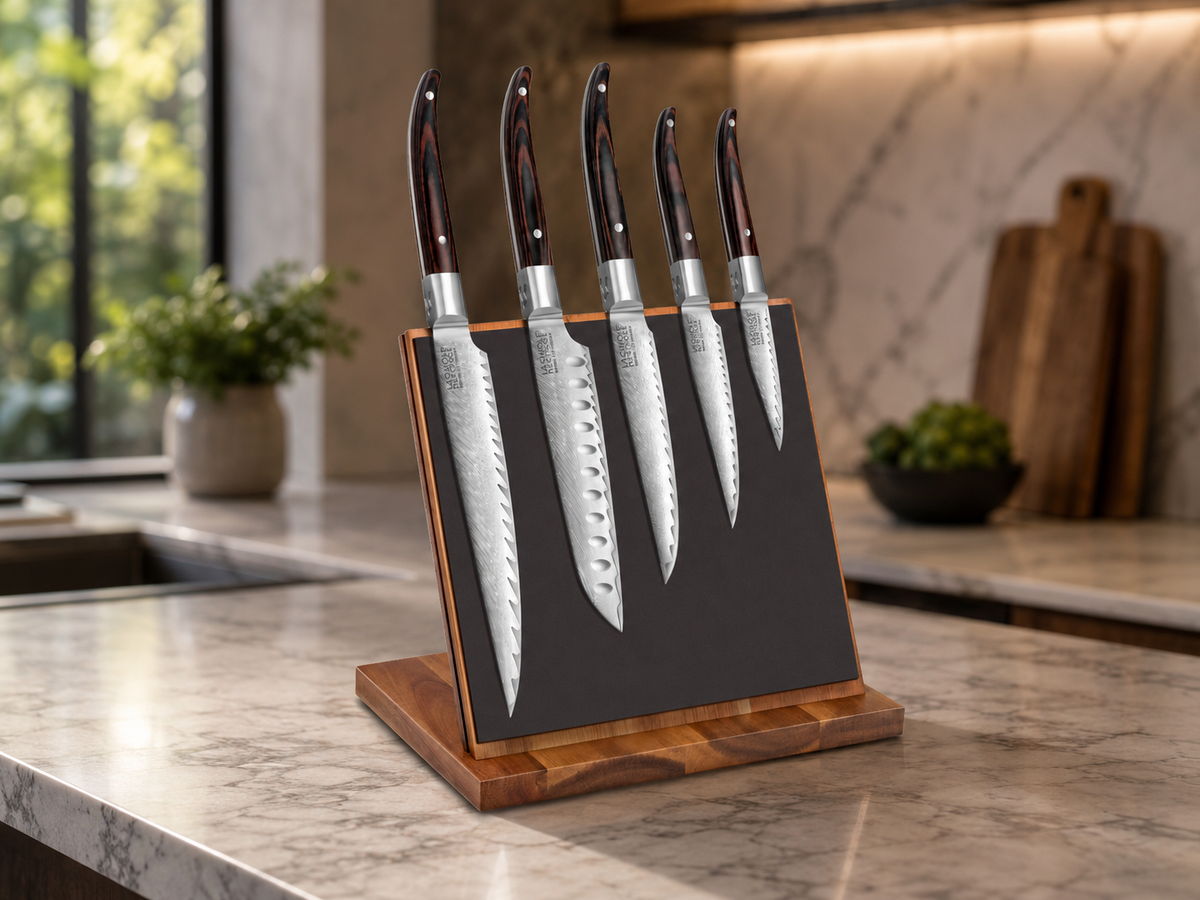
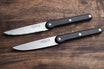
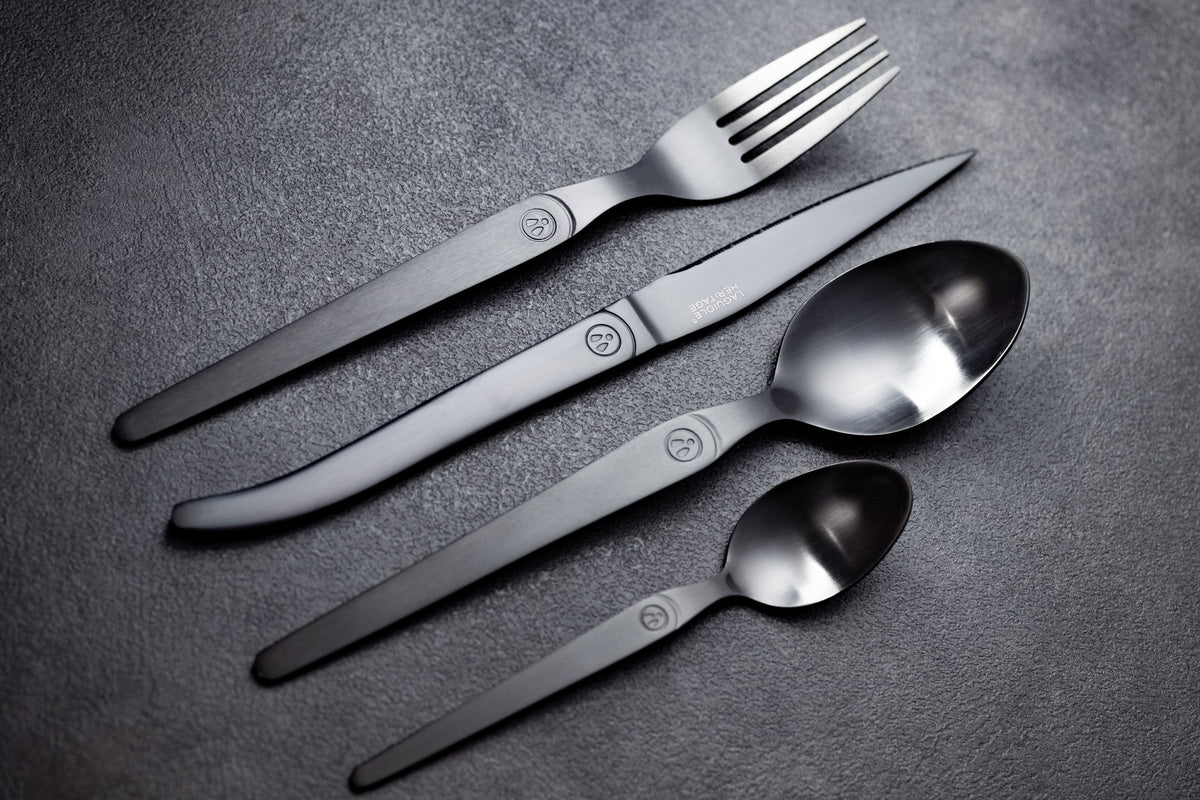
Receiving guests changes the game: the table becomes an element of the experience offered to guests. This is the time to bring out more elaborate cutlery, with careful finishes and overall coherence between the pieces. Pairing a sleek table knife with matching cutlery creates visual continuity on the table, without requiring exceptional tableware reserved for special occasions.
How to set a table for a special occasion?
For a festive meal or a significant event, the table can accommodate dedicated pieces depending on the meal's progression: a meat knife for the main course, a cheese knife for the cheese board, or even fish cutlery if the menu calls for it. This segmentation by use is a tradition of French table settings, which enhances each course with an appropriate tool.
Summary table by occasion
| Occasion | Type of cutlery | Priority |
|---|---|---|
| Everyday | Simple, functional cutlery set | Durability, easy maintenance |
| Reception | Elegant, matching cutlery set | Aesthetic coherence of the table |
| Special occasion | Dedicated pieces per dish | Segmentation by use, refinement |
How to combine knives and cutlery on the same table?
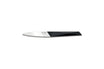
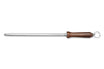
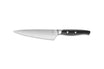
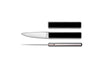
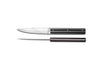
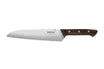
Visual coherence is as important as function. A table knife with a wooden handle naturally pairs with cutlery of a similar shade, while a more contemporary line, such as the Intuition range, matches sleek lines and a plain handle. The essential thing is to avoid mixing overly disparate styles on the same table, at the risk of breaking the desired harmony.
Discover our cutlery collections on Cutlery and our table sets on Tableware, as well as the Laguiole Héritage® line for a more traditional table.
Frequently Asked Questions
Do you need different cutlery for each type of meal?
No, it's not mandatory. It's an option for special occasions, but a single, well-chosen cutlery set can cover most uses from everyday to reception.
How to combine an antique table knife with contemporary cutlery?
The simplest common point remains the shade: an antique wooden handle pairs better with cutlery in warm tones than with a very mineral or cold metallic line.
Is high-end cutlery made in France?
Depending on the range, the design is French, and manufacturing is carried out by selected partners. Refer to the product sheet of each model for details on its origin.
Glossary
Cutlery set: a complete set of matching cutlery, usually composed of forks, knives, and spoons in various sizes.
Fish cutlery: knife and fork dedicated to serving fish, with a blade and tines adapted to the texture of the flesh.