
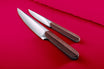


The Georges POM Range

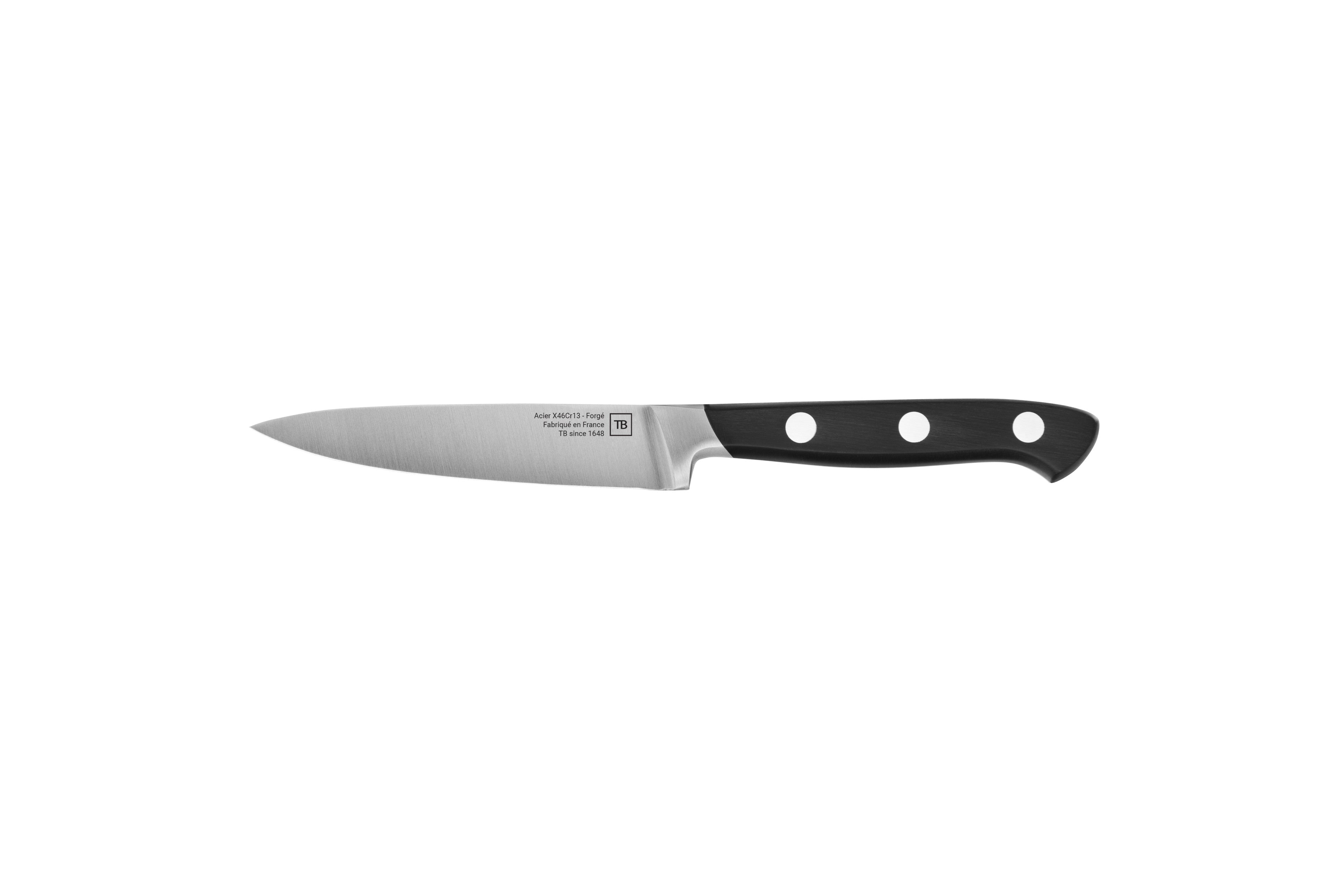
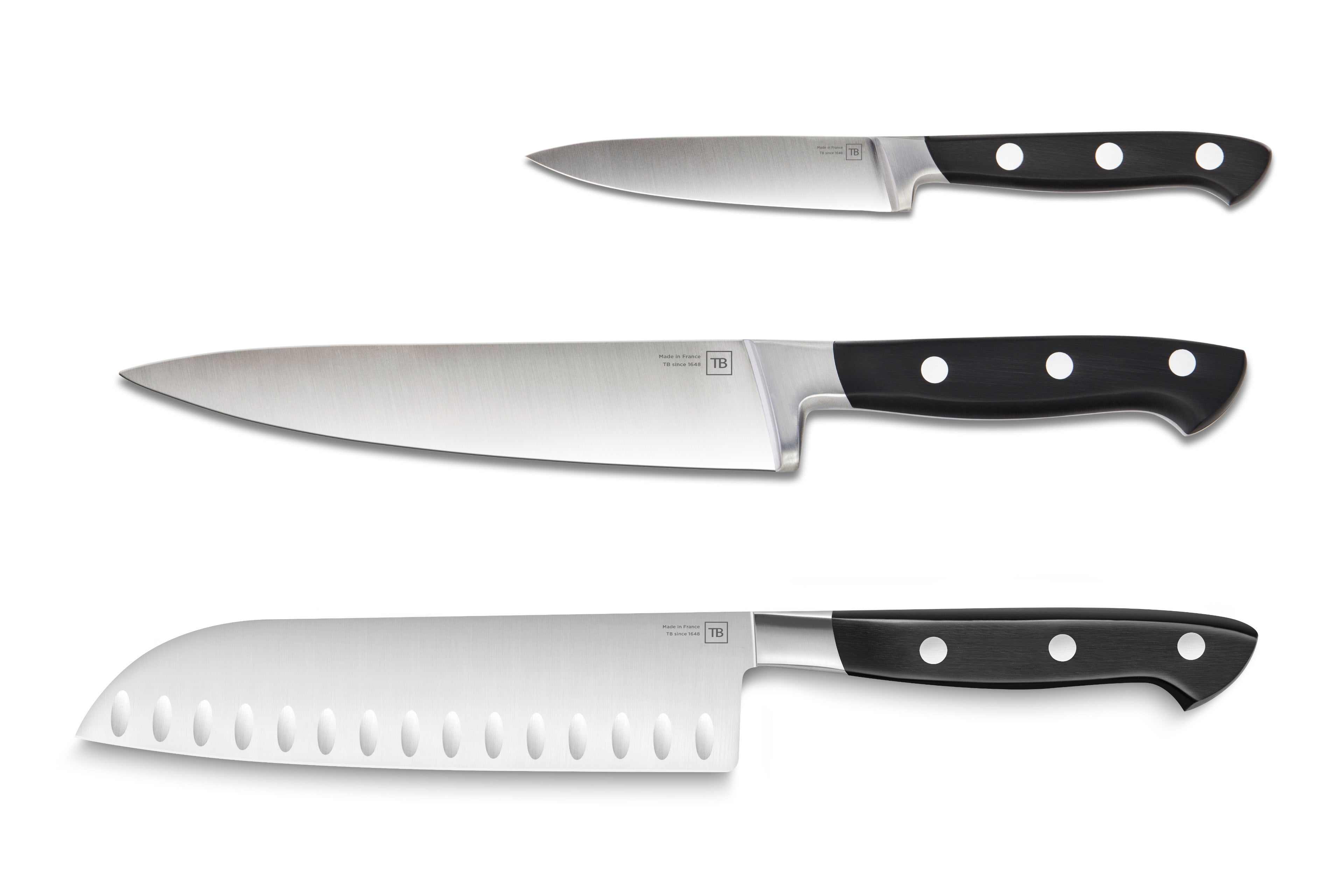
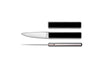
 Paring Knife - Georges - POM
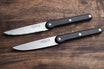
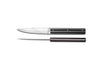
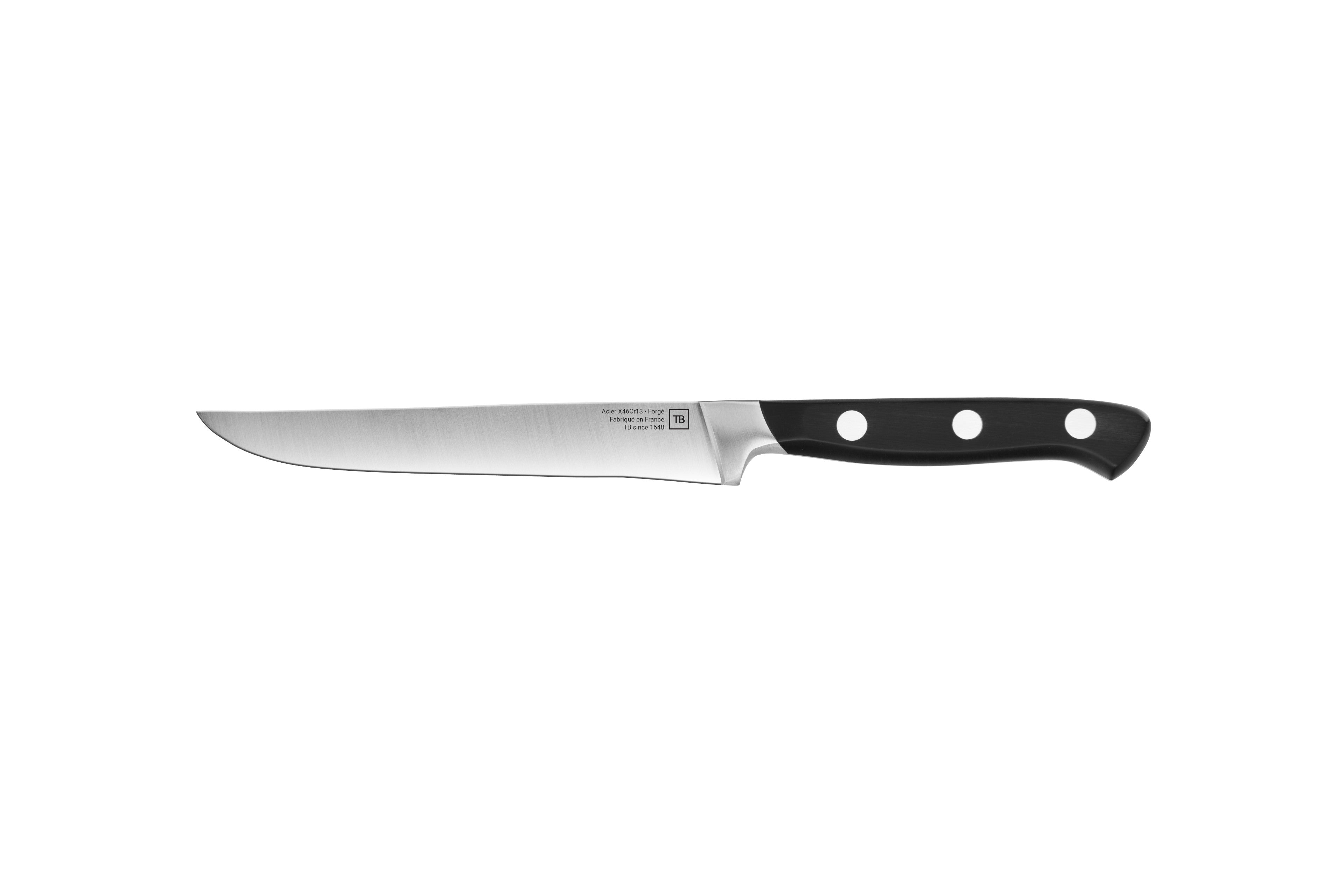
Steak Knife - Georges - POM
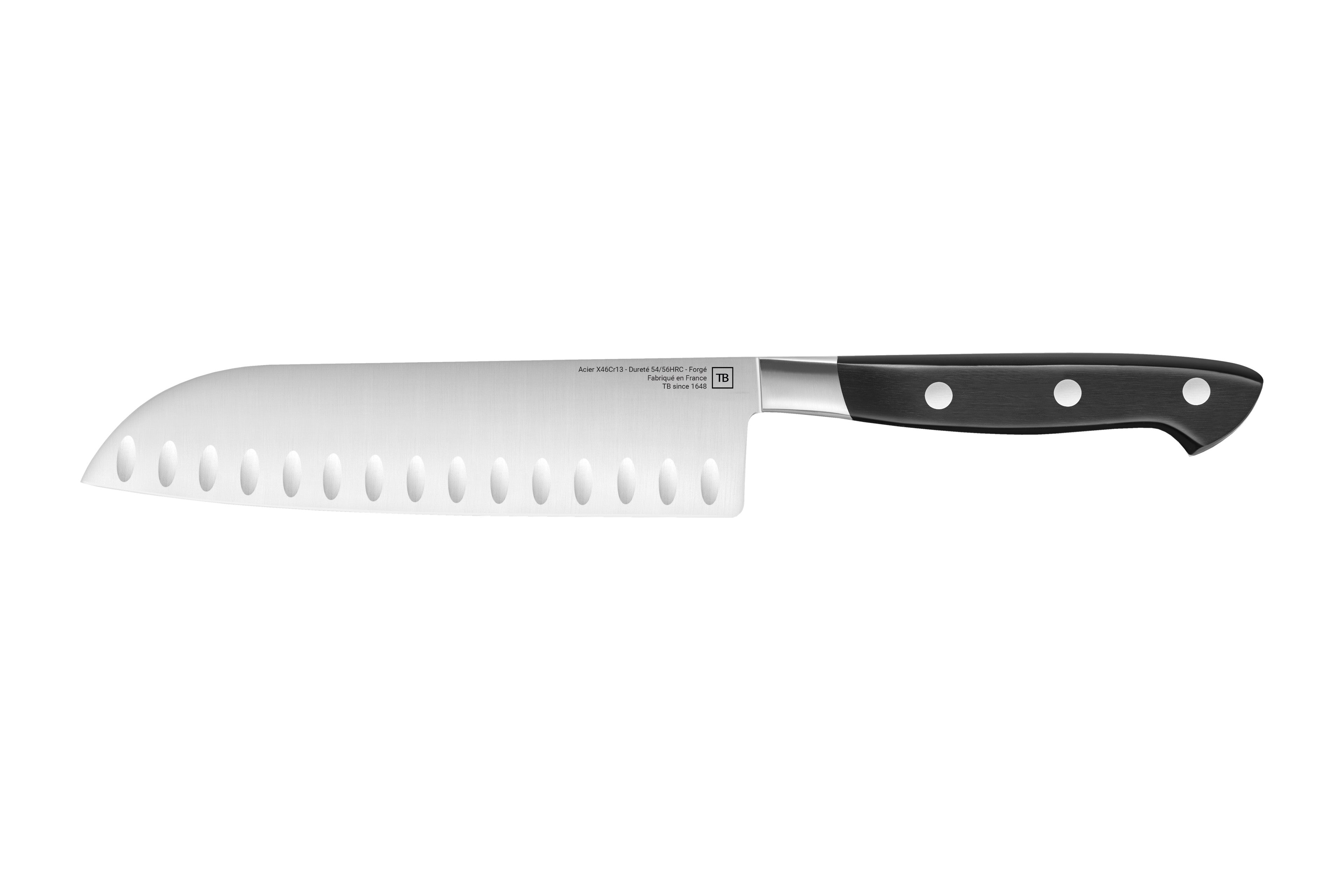
Santoku Knife - Georges - POM
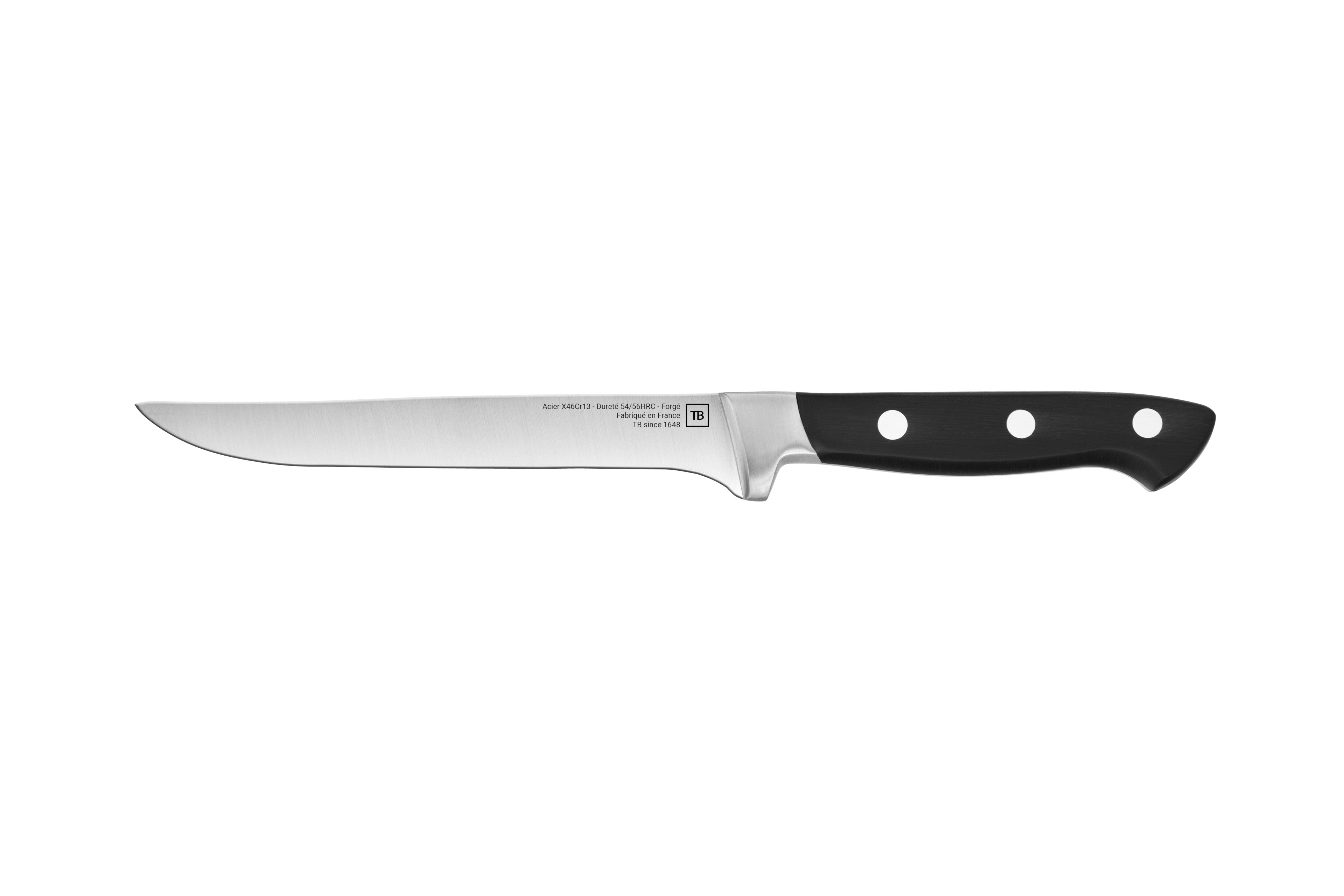
Boning Knife - Georges - POM
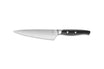
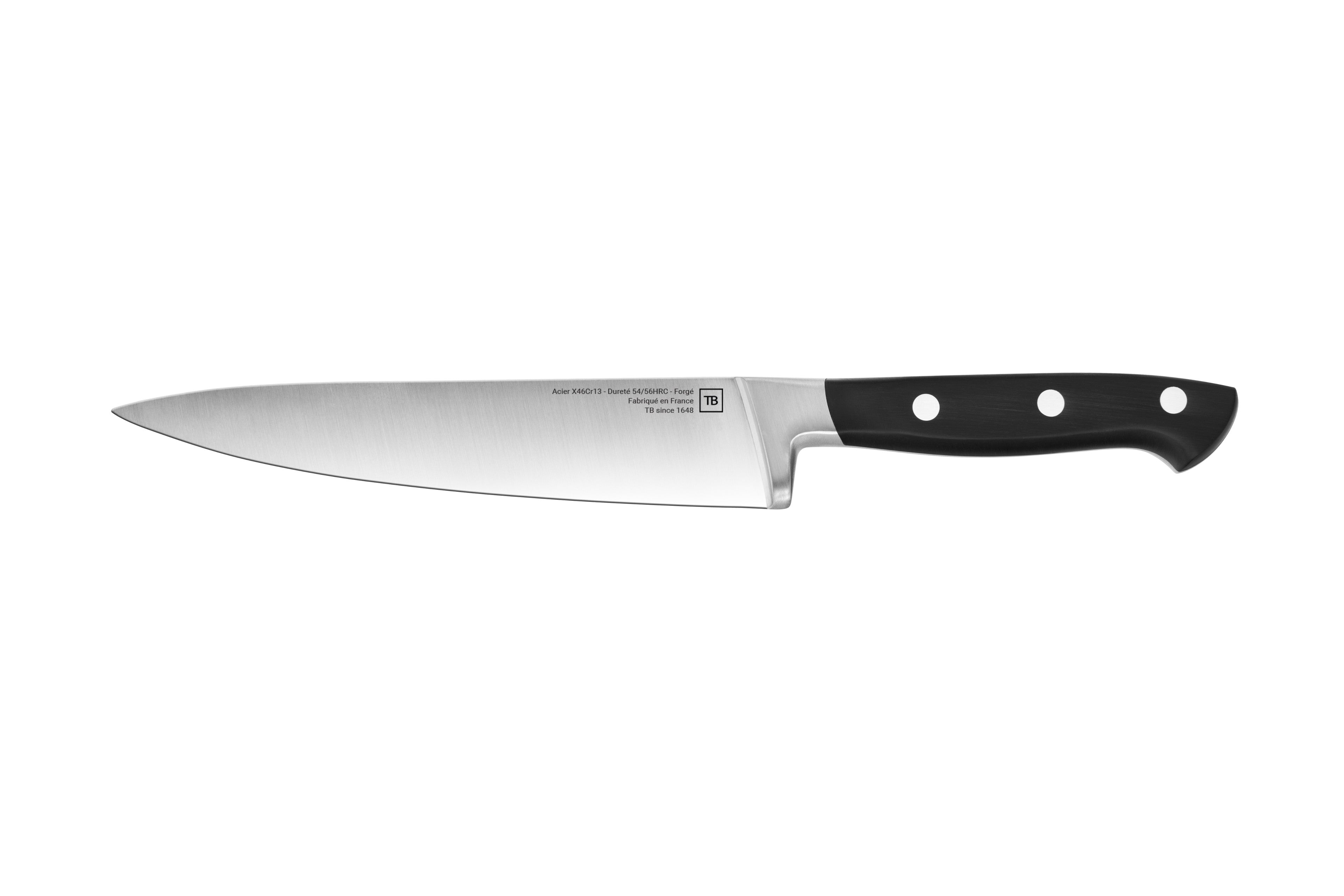
Kitchen Knife - Georges - POM
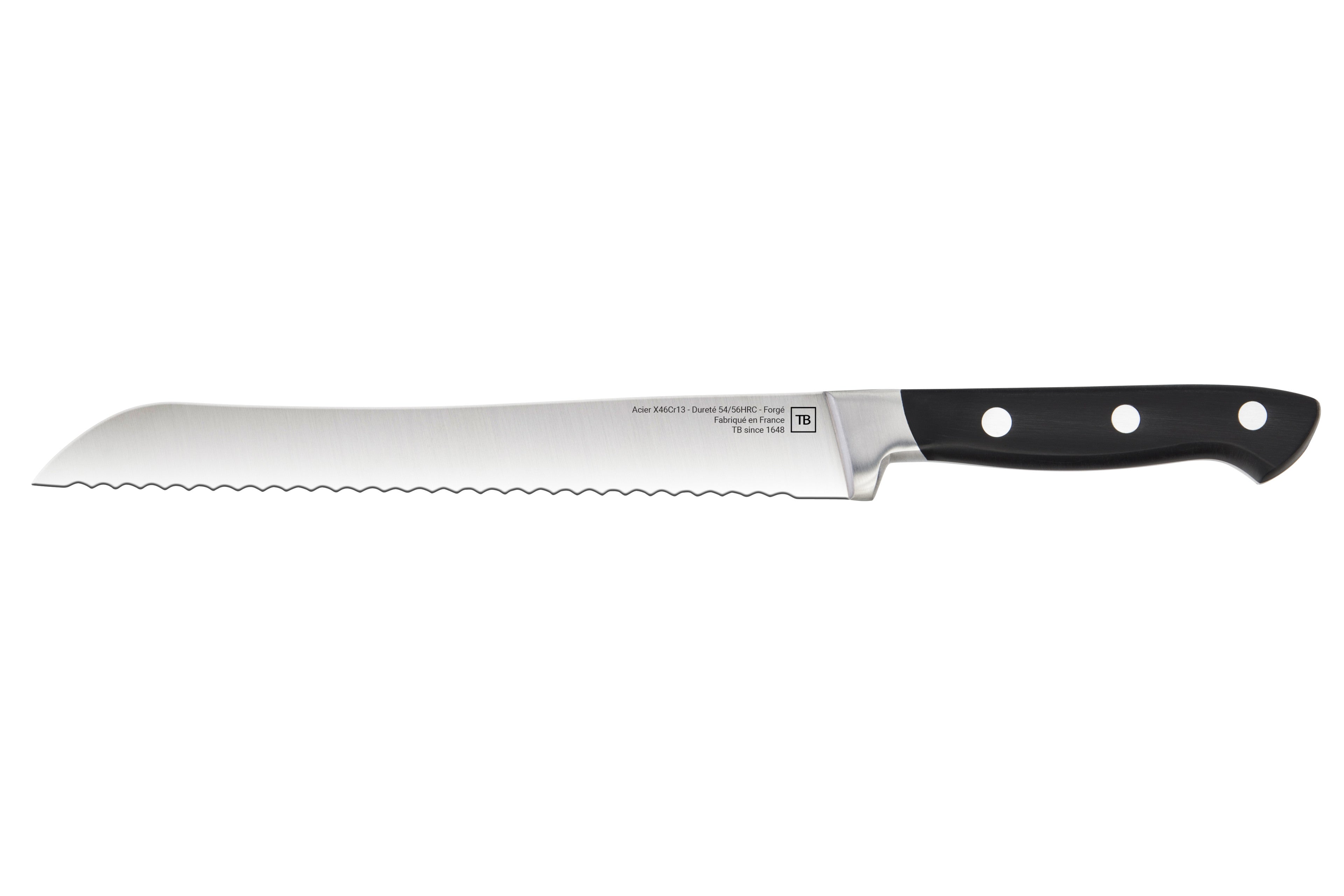
Bread Knife - Georges - POM
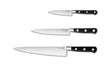
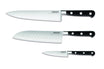
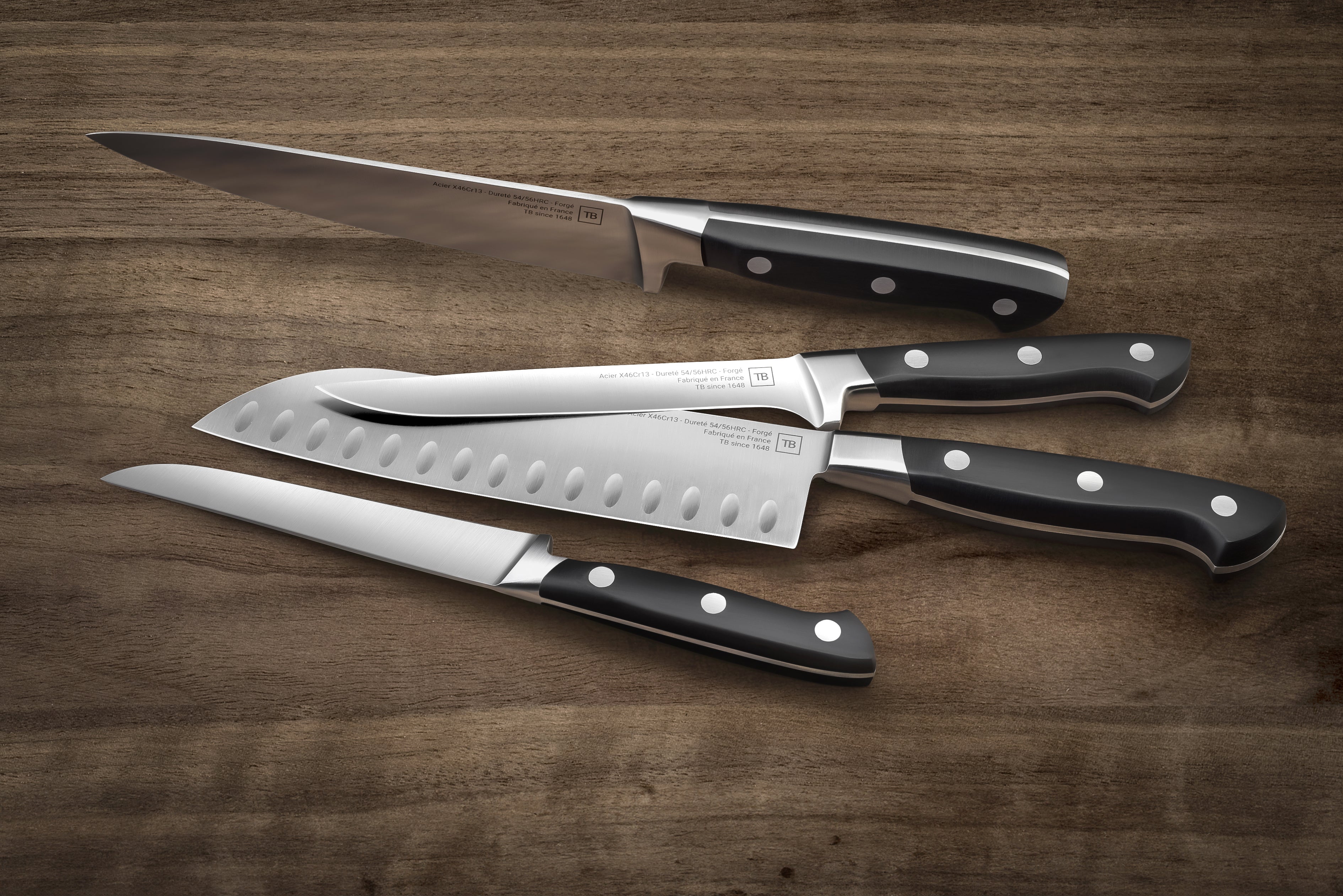
Set of 3 Knives - Georges - POM
Paring Knife - Georges - POM
Steak Knife - Georges - POM
Santoku Knife - Georges - POM
Boning Knife - Georges - POM
Kitchen Knife - Georges - POM
Bread Knife - Georges - POM
Set of 3 Knives - Georges - POM (Paring, Santoku, Kitchen)
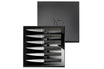
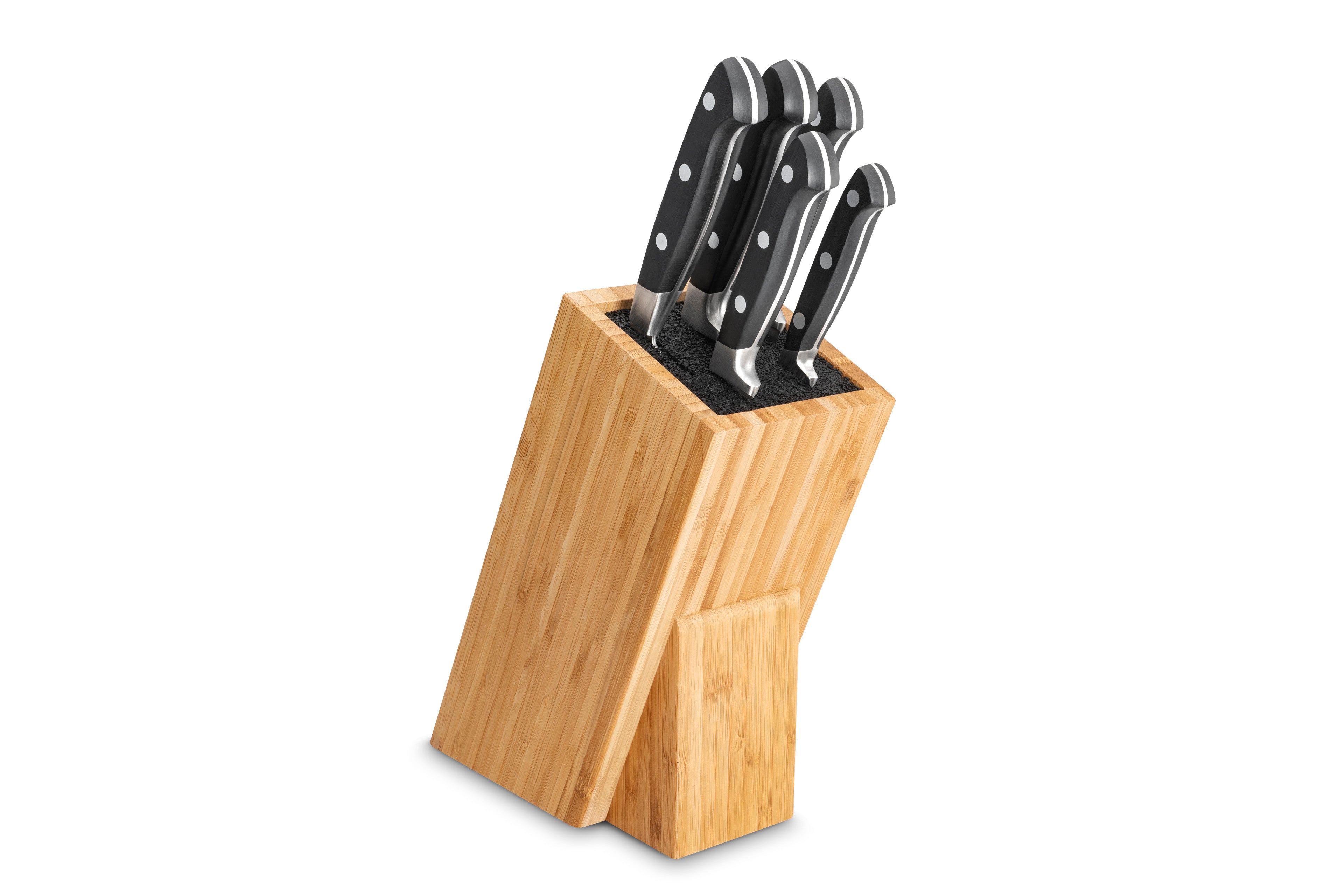
Block of 5 Knives - Georges - POM
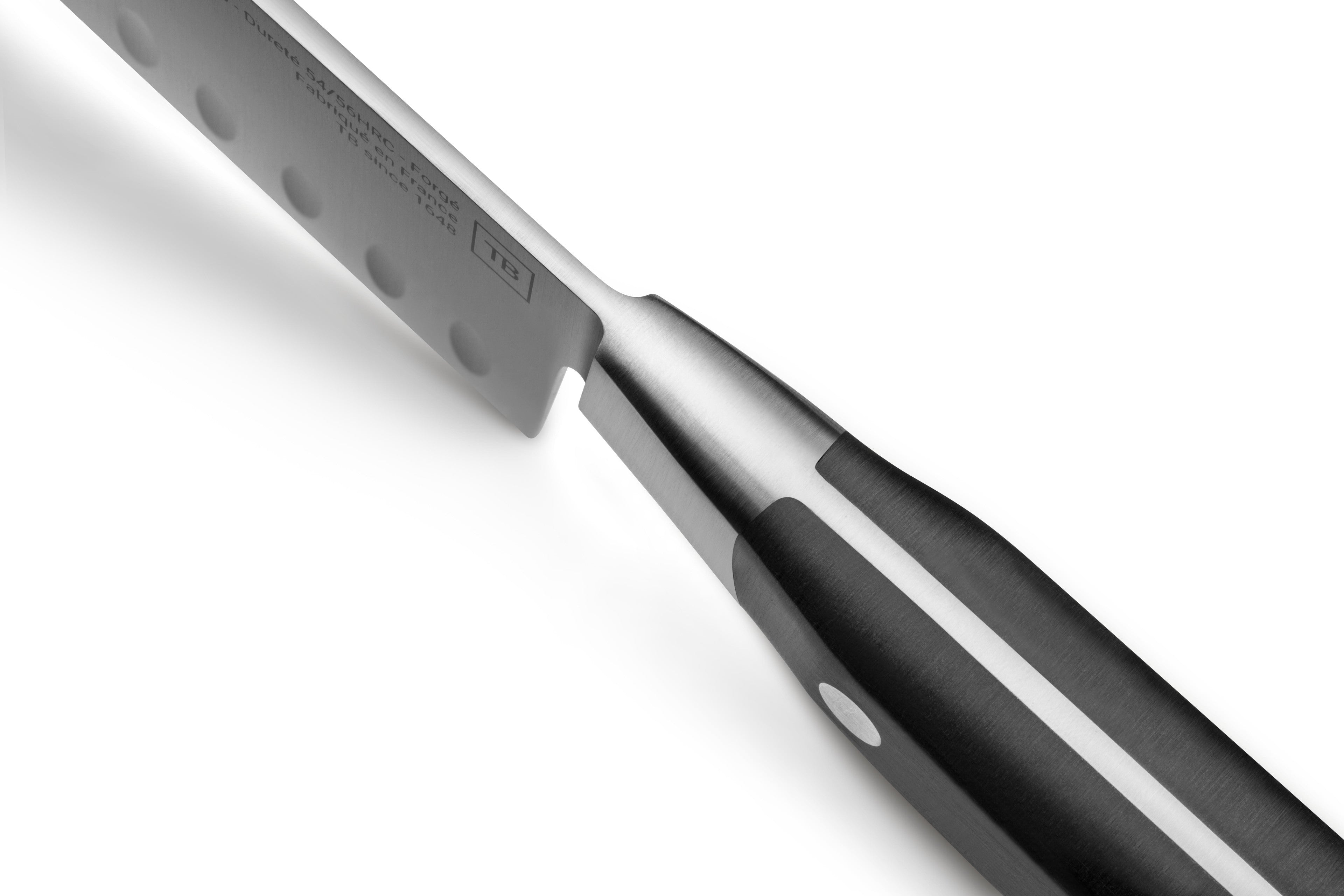
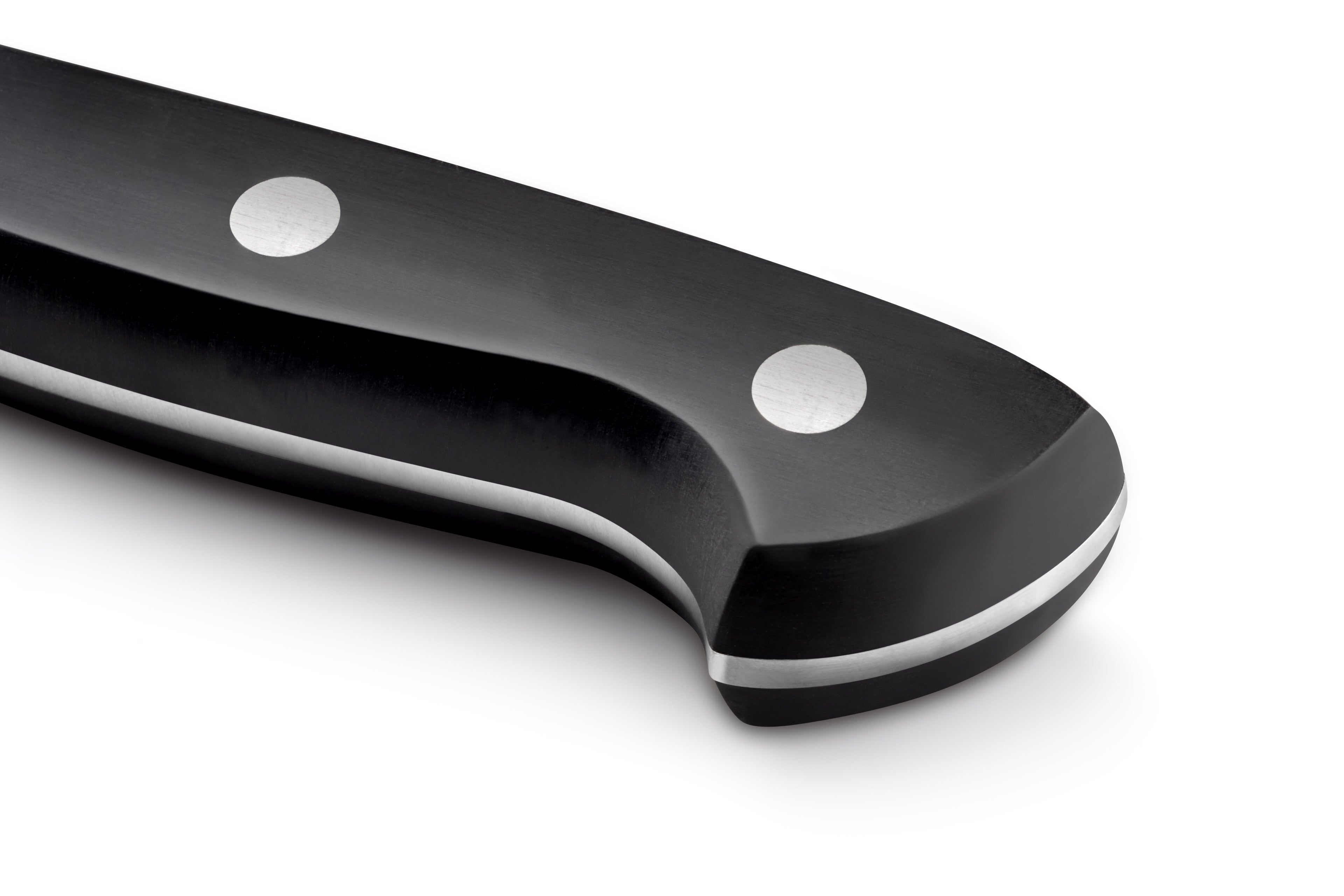
Georges - POM Handle
Georges Range: Tradition and Innovation
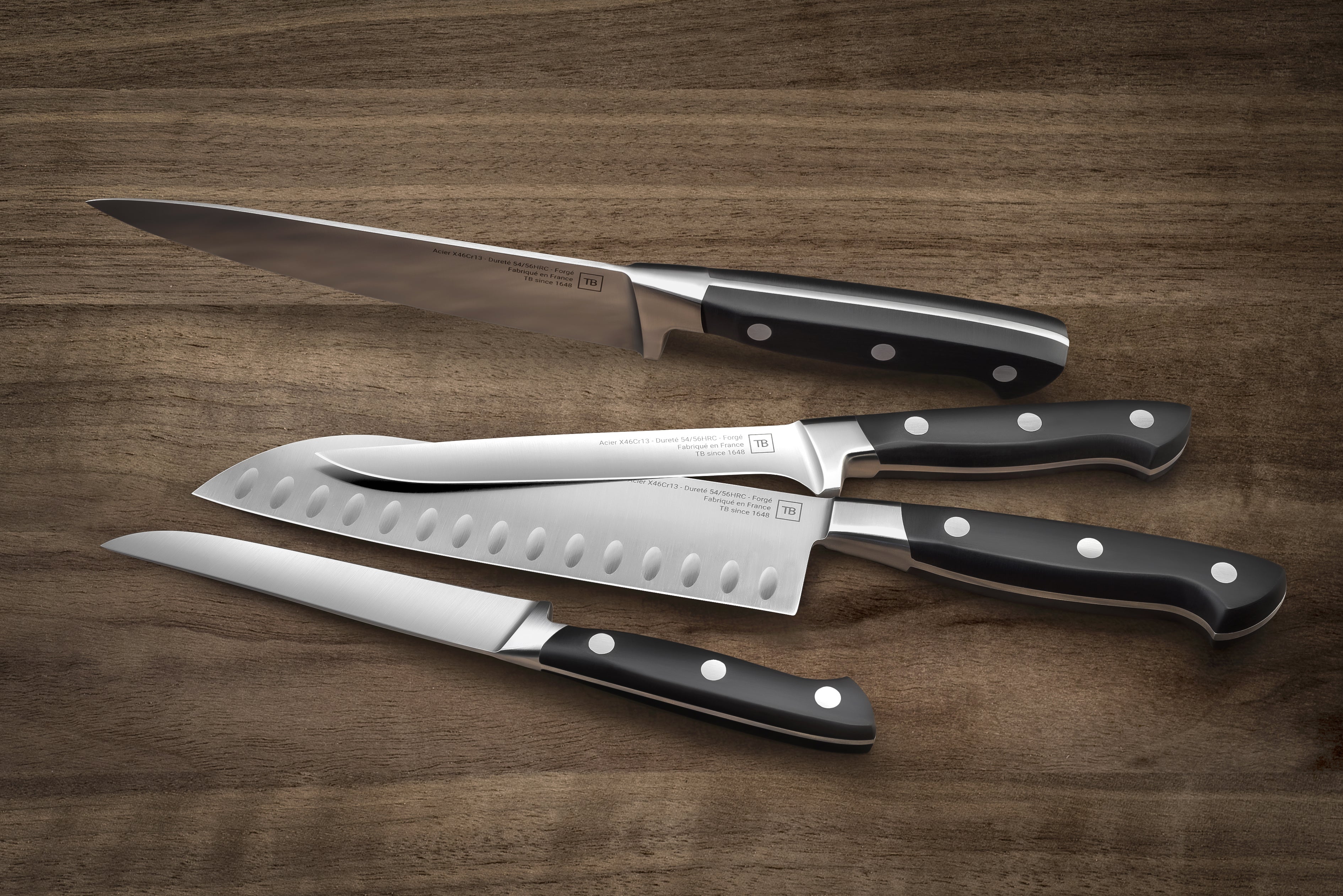
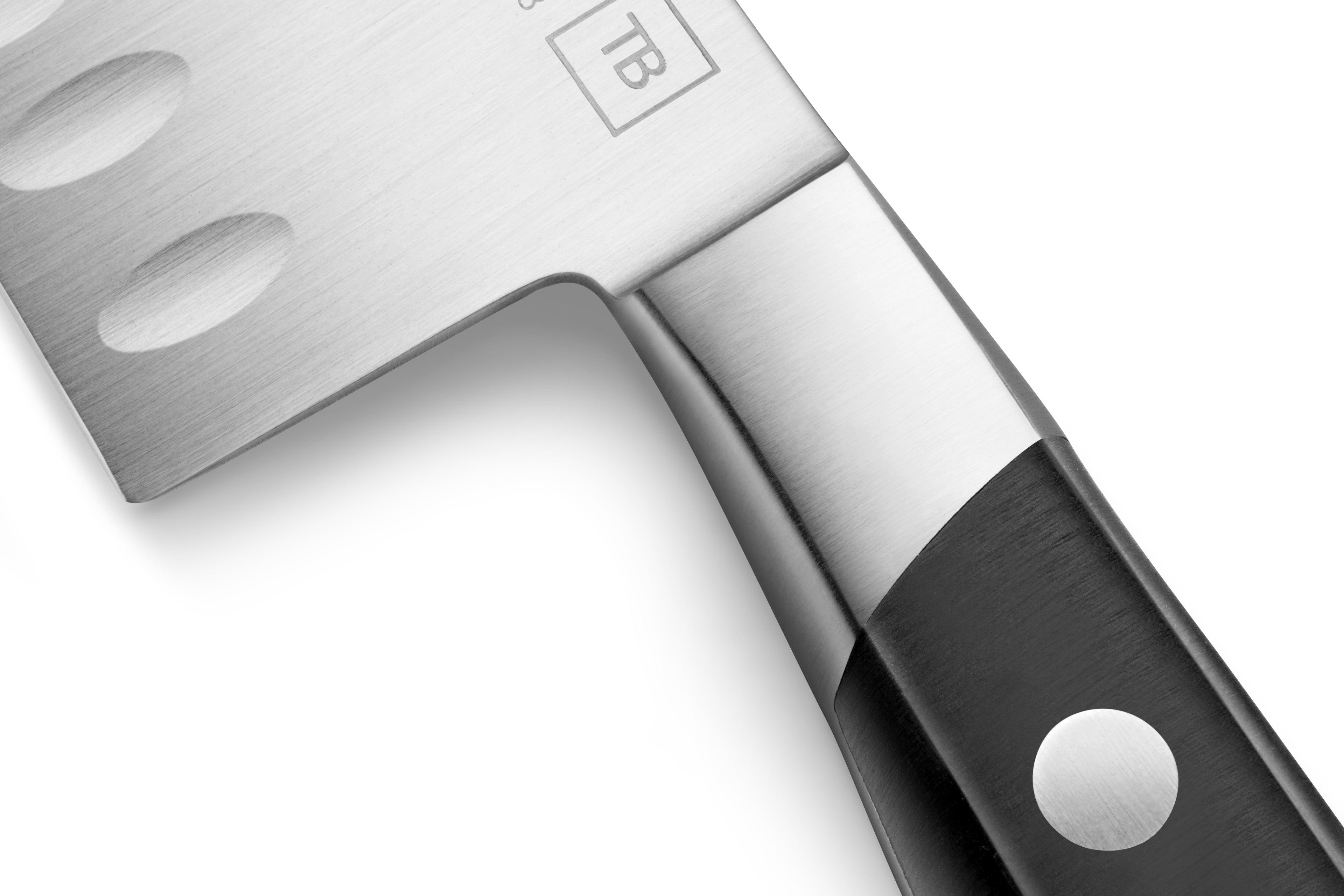
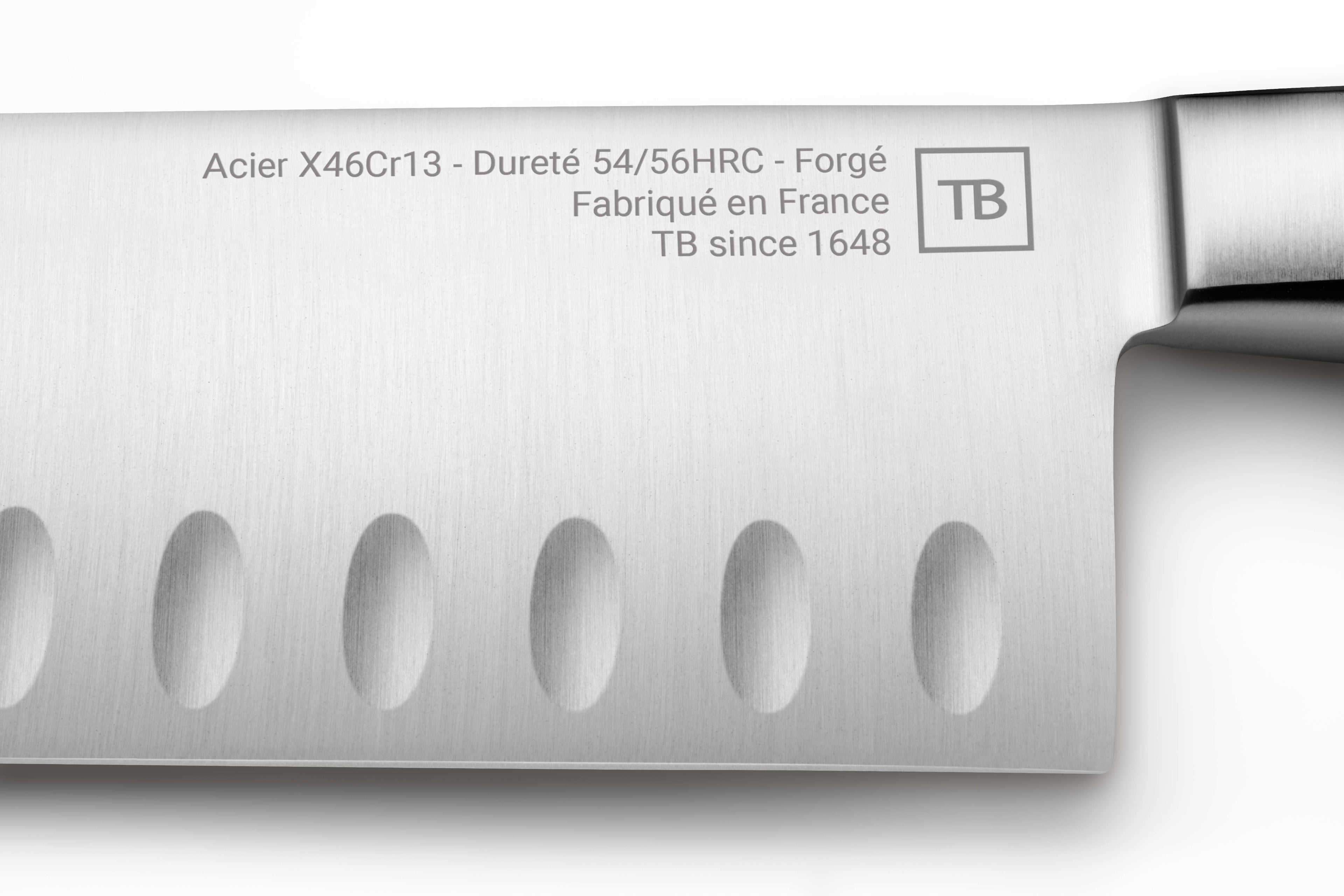
Discover the Georges range by Tarrerias-Bonjean, a collection of premium forged knives, alongside the Maestro and Brigade ranges. Forged in carbon-enriched martensitic stainless steel, these knives offer a hardness of 54 to 56 HRC, guaranteeing robustness and performance.
Name honoring the family heritage. This range celebrates generations of cutlers while perpetuating unique know-how.
The knives are available with wooden or polyacetal (POM) handles, which are water-resistant and dishwasher-safe. The range offers a variety of models, in blocks or individually, with ingenious storage to preserve the blades.
Commitment to quality and durability, all materials are selected for their performance and recyclability.
Select items to add to your cart
Product specifications
Office
Steak
Santoku
Kitchen
Bone out
Bread
(in g)
100
100
240
230
130
180
(in mm)
90
130
190
170
15
200
(in mm)
106.34
106.34
130.82
134.46
119.58
119.58
POM
POM
POM
POM
POM
POM
(Per side in °)
16
16
15
15
20
full tang
full tang
full tang
full tang
full tang
full tang
X46Cr13
X46Cr13
X46Cr13
X46Cr13
X46Cr13
X46Cr13
Smooth
Smooth
Smooth
Smooth
Smooth
Serrated
54-56
54-56
54-56
54-56
54-56
54-56
Oui
Oui
Oui
Oui
Oui
Oui
POM handle
Forged knife
The Georges range: a tribute to tradition and innovation
The Georges range is part of Tarrerias-Bonjean's premium forged knives, alongside the Maestro and Brigade ranges. These collections share similar technical characteristics, offering exceptional quality. Forged from martensitic steels, the Georges range benefits from a carbon-enriched stainless alloy, allowing for a hardening process that ensures a hardness of 54 to 56 HRC. This technical composition gives these knives a robustness and performance that will satisfy even the most demanding users.
Among the three ranges of TB-1648® forged knives — Georges®, Brigade®, Maestro® — Georges® takes the title of the most versatile knife. The most "all-terrain." The one that will work and meet demand in all circumstances and all use cases. What does this mean in practice? That Georges® will never disappoint you. That's the certainty offered by the company. Not a vague marketing promise. A confident assertion, the result of decades of use by demanding professionals and amateurs. Georges® cleanly cuts all foods: fibrous vegetables, thick meats, delicate fish, aromatic herbs. It withstands intensive use: long restaurant services, repeated preparations in family kitchens. It tolerates maintenance errors: a failed sharpening can be corrected, a dishwasher cycle (ABS version) does not damage it, forgetting to dry it (wood version) does not immediately compromise it. It's the everyday product for a demanding person. Not a beginner's knife that forgives everything. Not an exceptional knife reserved for special occasions. A knife that assumes its intermediate position: powerful enough to satisfy a professional chef, accessible enough to accompany a passionate amateur daily. TB-1648® addresses the issue of eco-responsibility from a comprehensive angle: design, manufacturing, use, recycling. All the company's products are made from premium materials that can be recycled under good conditions. For Georges®, this approach translates into: This reflection on the complete product life cycle is not anecdotal. It reflects a long-term vision: a knife is not thrown away, it is passed down, it lasts, and when it can no longer serve, it is recycled. This is the antithesis of planned obsolescence. This is the logic of traditional French cutlery, where a knife accompanies an entire lifetime, or even several generations. Georges® is designed for intensive daily use. Wooden handle: ABS handle: The 54-56 HRC martensitic steel retains its edge for a long time but requires regular sharpening to maintain optimal performance: For several years, TB-1648® has been naming its emblematic ranges after the first names of former employees who worked in the company: Georges, Louis, Auguste, Hector. This is a tribute to the 13 generations of cutlers who have succeeded each other since 1648. Georges was the father, who passed away about twenty years ago. Naming this range after him is to keep his legacy alive through exceptional knives that thousands of users handle every day. Technically, these three ranges of forged knives are quite similar. All use high-hardness martensitic steels, all are traditionally forged, all are "very difficult to fault". The choice is therefore not based on a purely technical criterion, but on aesthetics, intended use (displayed in the kitchen, presented at the table), and the desired type of maintenance. Georges® is considered the most "all-terrain", the one that works in all circumstances. An all-terrain TB-1648® product that bears the grandfather's first name and will never let you down.Why is Georges® considered the most "all-terrain" of TB-1648® forged knives?
How are recyclability and eco-responsibility integrated into the design of Georges®?
How to care for and use Georges® daily?
Daily use
Maintenance according to handle type
Sharpening
Storage
FAQ - Georges® Range
Why name a knife range after the grandfather's first name?
What is the difference between Georges®, Brigade® and Maestro®?
Technical Glossary
Georges®: where the legacy of 13 generations of cutlers is concentrated in an excellent forged knife.
The Georges range: a tribute to tradition and innovation
The Georges range is part of Tarrerias-Bonjean's premium forged knives, alongside the Maestro and Brigade ranges. These collections share similar technical characteristics, offering exceptional quality. Forged from martensitic steels, the Georges range benefits from a carbon-enriched stainless alloy, allowing for a hardening process that ensures a hardness of 54 to 56 HRC. This technical composition gives these knives a robustness and performance that will satisfy even the most demanding users.
Among the three ranges of TB-1648® forged knives — Georges®, Brigade®, Maestro® — Georges® takes the title of the most versatile knife. The most "all-terrain." The one that will work and meet demand in all circumstances and all use cases. What does this mean in practice? That Georges® will never disappoint you. That's the certainty offered by the company. Not a vague marketing promise. A confident assertion, the result of decades of use by demanding professionals and amateurs. Georges® cleanly cuts all foods: fibrous vegetables, thick meats, delicate fish, aromatic herbs. It withstands intensive use: long restaurant services, repeated preparations in family kitchens. It tolerates maintenance errors: a failed sharpening can be corrected, a dishwasher cycle (ABS version) does not damage it, forgetting to dry it (wood version) does not immediately compromise it. It's the everyday product for a demanding person. Not a beginner's knife that forgives everything. Not an exceptional knife reserved for special occasions. A knife that assumes its intermediate position: powerful enough to satisfy a professional chef, accessible enough to accompany a passionate amateur daily. TB-1648® addresses the issue of eco-responsibility from a comprehensive angle: design, manufacturing, use, recycling. All the company's products are made from premium materials that can be recycled under good conditions. For Georges®, this approach translates into: This reflection on the complete product life cycle is not anecdotal. It reflects a long-term vision: a knife is not thrown away, it is passed down, it lasts, and when it can no longer serve, it is recycled. This is the antithesis of planned obsolescence. This is the logic of traditional French cutlery, where a knife accompanies an entire lifetime, or even several generations. Georges® is designed for intensive daily use. Wooden handle: ABS handle: The 54-56 HRC martensitic steel retains its edge for a long time but requires regular sharpening to maintain optimal performance: For several years, TB-1648® has been naming its emblematic ranges after the first names of former employees who worked in the company: Georges, Louis, Auguste, Hector. This is a tribute to the 13 generations of cutlers who have succeeded each other since 1648. Georges was the father, who passed away about twenty years ago. Naming this range after him is to keep his legacy alive through exceptional knives that thousands of users handle every day. Technically, these three ranges of forged knives are quite similar. All use high-hardness martensitic steels, all are traditionally forged, all are "very difficult to fault". The choice is therefore not based on a purely technical criterion, but on aesthetics, intended use (displayed in the kitchen, presented at the table), and the desired type of maintenance. Georges® is considered the most "all-terrain", the one that works in all circumstances. An all-terrain TB-1648® product that bears the grandfather's first name and will never let you down.Why is Georges® considered the most "all-terrain" of TB-1648® forged knives?
How are recyclability and eco-responsibility integrated into the design of Georges®?
How to care for and use Georges® daily?
Daily use
Maintenance according to handle type
Sharpening
Storage
FAQ - Georges® Range
Why name a knife range after the grandfather's first name?
What is the difference between Georges®, Brigade® and Maestro®?
Technical Glossary
Georges®: where the legacy of 13 generations of cutlers is concentrated in an excellent forged knife.
The Office
- 90 mm blade
- 106.34 mm handle
- 54/56 HRC
Very easy to handle, this knife with a 9 cm blade guarantees precise cutting in order to serve multiple uses in the kitchen.
The Steak
- 130 mm blade
- 106.34 mm handle
- 54/56 HRC
Very easy to handle, this knife with a 13 cm blade guarantees precise cutting in order to serve multiple uses in the kitchen.
The Santoku
- 190 mm blade
- 130.82 mm handle
- 54/56 HRC
Very easy to handle, this knife guarantees precise cutting of vegetables in order to serve multiple uses in the kitchen.
The Kitchen
- 170 mm blade
- 134.46 mm handle
- 54/56 HRC
Very easy to handle, this knife with a 17 cm blade guarantees precise cutting of vegetables for multiple uses in the kitchen.
The Bread
- 200 mm blade
- 119.58 mm handle
- 54/56 HRC
The knife for slicing all types of bread but also a crispy roast and even pork rind.