


Why is my knife no longer cutting?
A knife losing its edge is a natural phenomenon linked to mechanical wear and micro-shocks. Understanding these causes allows you to adapt your daily habits and sustainably preserve the cutting quality of your kitchen tools.
Key takeaways of the article
- Contact with hard surfaces causes the blade's edge to roll or chip.
- Regular maintenance is necessary to realign the metal before it deteriorates.
- Cutting board materials play a direct role in preserving the sharpness.
Main causes of a dull edge
A knife's edge consists of an extremely fine and delicate apex. With regular use, this area undergoes significant mechanical stress. The loss of cutting performance is mainly explained by the plastic deformation of the metal. When observing the blade under a microscope, we notice that the metal does not disappear immediately, but rather bends or deforms under pressure.
According to data from the technical materials encyclopedia, steel hardness plays a major role in edge retention. To deepen your knowledge on alloy composition, you can consult the definition of stainless steel on the Wikipedia page on stainless steel.
The impact of hard materials
Cutting on surfaces like glass, ceramic, or marble causes excessive contact force that crushes the edge. Our Thiers-based workshops recommend using wooden or flexible polymer cutting boards to absorb the shock. You can check out our article to learn how to avoid scraping your board with your knife in order to preserve the integrity of your blades.
Cutting surface comparison
| Surface | Impact on sharpness | Recommendation level |
|---|---|---|
| Glass and ceramic | Violent shock, immediate crushing of the edge | Highly discouraged |
| Wood | Shock absorption, moderate wear | Recommended |
| Flexible plastic | Low cutting resistance, normal wear | Acceptable |
Usage mistakes that prematurely wear out the blade
Daily use of your utensils can lead to unexpected stresses. Improper knife positioning during cutting or contact with bones and frozen foods are frequent causes of damage.
- Cutting frozen foods or bones that bend the metal.
- Lateral twisting of the blade to separate ingredients.
- Inappropriate cleaning that alters the steel.
To discover our full range of preparation utensils, you can visit our collection of our kitchen equipment.
Physical stresses explained
When you apply lateral force to the blade, the metal is subjected to shearing forces it was not designed for. This generates micro-fractures invisible to the naked eye, which quickly turn into chips during subsequent cuts.
Maintenance mistakes
Cleaning and storage play a crucial role in maintaining the cutting edge. A blade left in the sink or poorly dried undergoes accelerated corrosion that weakens the metal.
Cleaning standards and impact
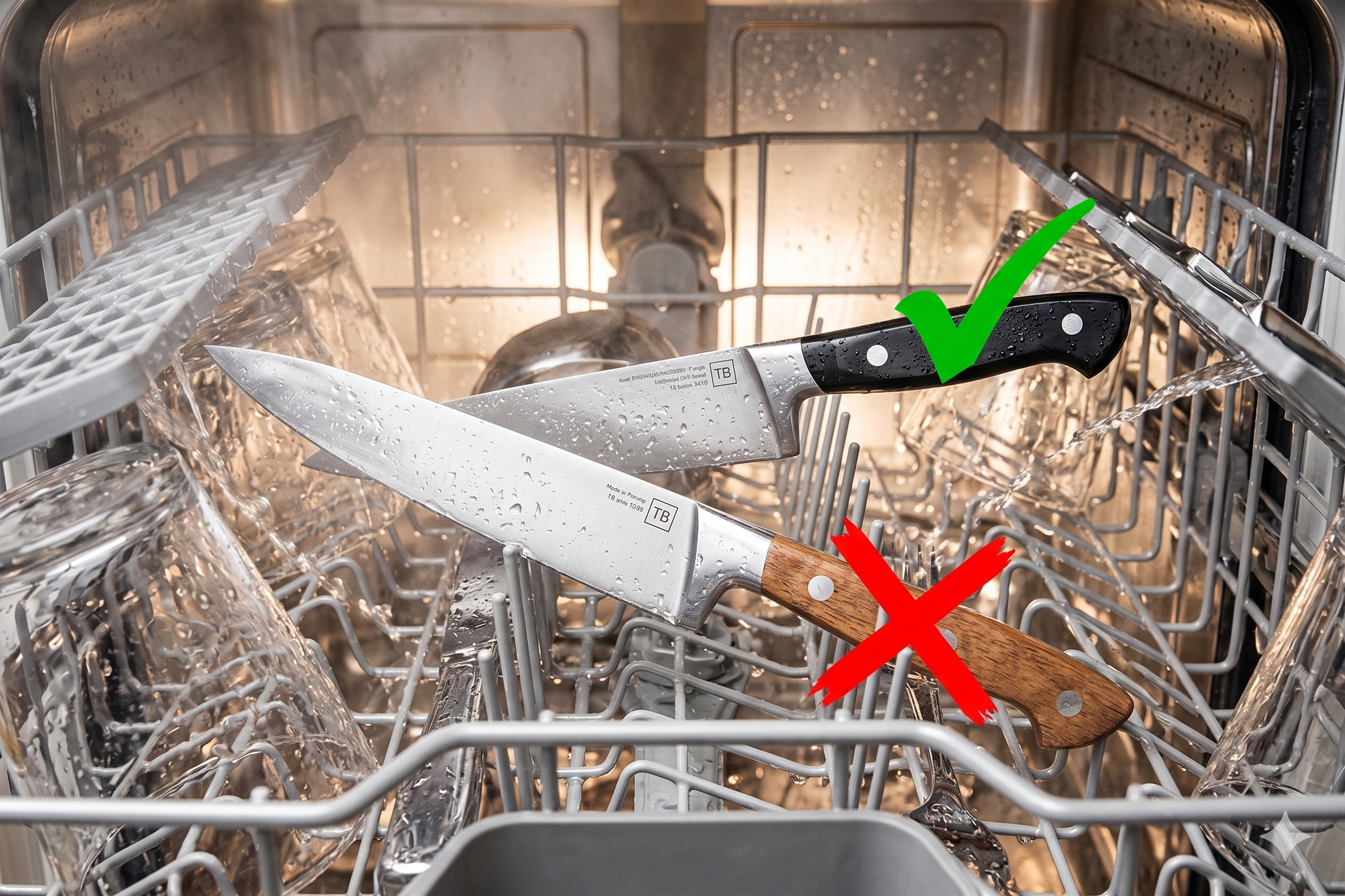
According to AFNOR regulations on maintenance products, aggressive detergents and high dishwasher temperatures attack the microstructures of the steel. This causes surface oxidation and reduces the blade's functional hardness.
| Maintenance frequency | Maintenance action | Result on the blade |
|---|---|---|
| After each use | Hand washing and drying | Preservation of the edge and structure |
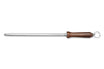
| Weekly | Honing with a honing steel | Realignment of the edge |
| Monthly | Sharpening with a whetstone | Restoration of the cutting angle |
How to restore the edge
To recover optimal cutting quality, several methods exist depending on the wear level of the blade. Regular maintenance helps postpone the need for a complete sharpening.
Steps for restoring the edge
- Identify the presence of a burr or deformation.
- Use a honing steel to realign the metal edge.
- Use a whetstone to recreate the cutting angle if the blade is dull.
- Strop on a leather strop to polish and perfect the sharpness.
To understand the complete blade restoration process in detail, we invite you to read our full guide on the art of knife sharpening.
Frequently Asked Questions
Why does my knife lose its edge so quickly?
Rapid wear is often caused by using a cutting board that is too hard (glass, marble) or by lateral twisting movements while cutting. Using a wooden board and adopting the proper techniques will keep an optimal edge longer.
How often should I use a honing steel?
For daily use, a quick pass on the honing steel once a week is sufficient to realign the blade's edge and maintain excellent cutting quality without unnecessarily removing material.
What is the difference between honing and sharpening?
Honing realigns the blade's edge when it is bent, usually using a steel rod. Sharpening involves removing material with a stone to recreate a new cutting angle and edge on a very dull knife.
Glossary
Sharpness / Cutting Edge: The sharpened part of the blade designed to penetrate food during cutting.
Edge / Apex: The microscopic ridge of the knife, subjected to the mechanical stresses of cutting.
Micro-fractures: Small cracks or chips invisible to the naked eye that appear during impacts on hard materials.