
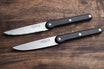

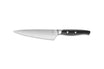

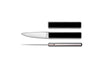
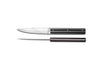
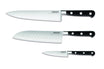

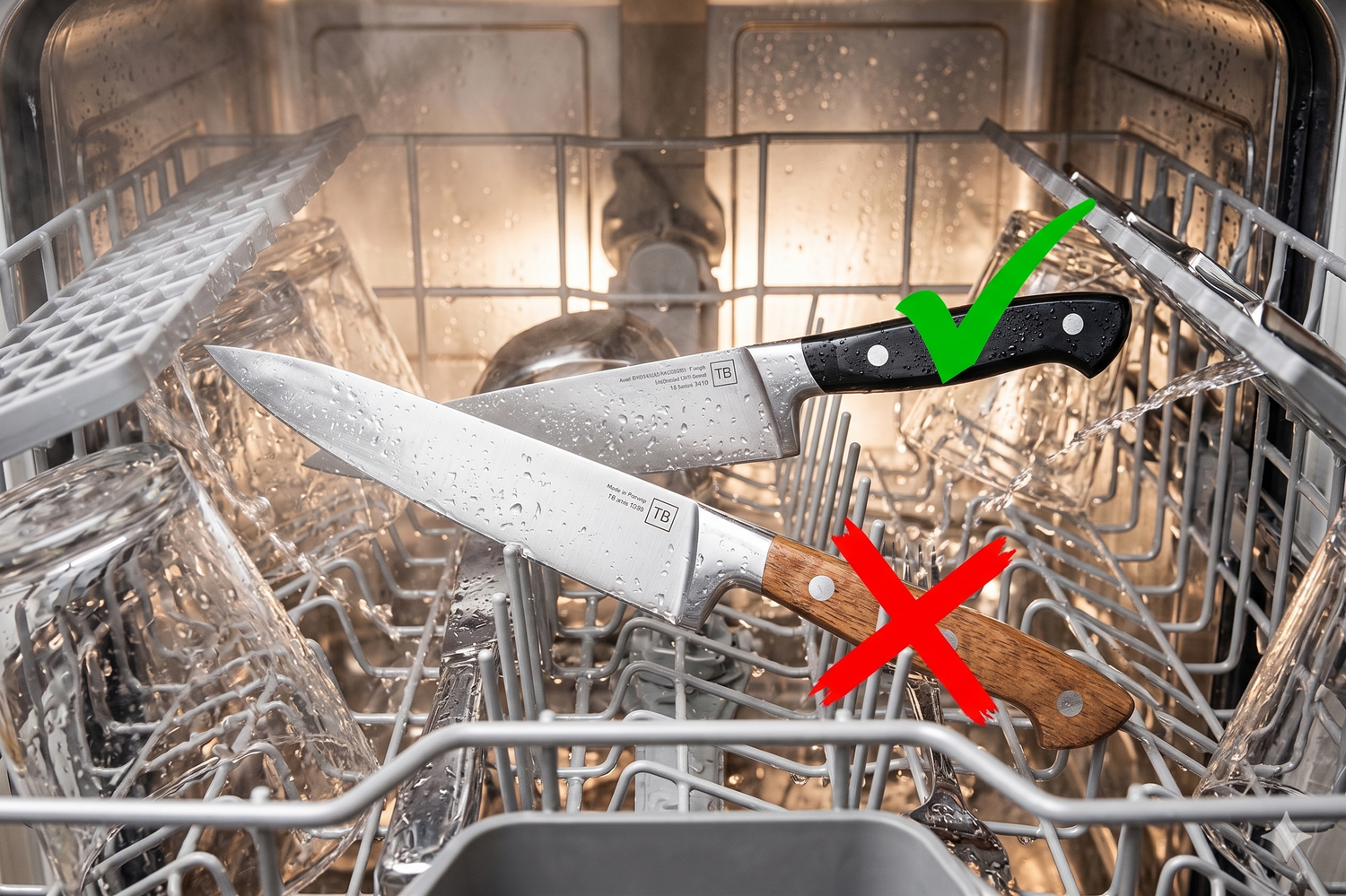
Kitchen knife maintenance requires special attention. Using the dishwasher is one of the primary causes of premature wear on blades and handles. Our workshops recommend immediate manual cleaning to guarantee the longevity of your equipment.
Key Points of the Article
- The temperature and aggressiveness of washing products alter stainless steel.
- The wooden or composite handle suffers repeated thermal shocks.
- Micro-shocks in the dishwasher basket deteriorate the blade edge.
- Cleaning with lukewarm water and a soft sponge is the gold standard method.
Why It Is a Bad Idea
Automatic machine cleaning exposes your cutlery to extreme conditions. The detergents used in dishwashers are formulated to dissolve grease and proteins, but they also attack the molecular bonds of noble materials. The steel of our ranges, whether it comes from our Thiers workshops or our selected partners, is designed to offer an exceptional cutting edge that requires strict respect for its structure.
According to a technical study on materials, industrial detergents can cause pitting corrosion on alloy steels, even stainless ones. To delve deeper into the composition of your blades, you can consult the definition of stainless steel on the Wikipedia page on stainless steel.
The mechanical shocks sustained during the wash cycle cause vibrations that damage the edge. To avoid deterioration, it is advisable to treat your tools with the same care as your professional cutting equipment. Regular maintenance is also detailed in our guide on how to maintain your kitchen knives.
The Harmful Effects of Heat
The internal temperature of the dishwasher often exceeds seventy degrees Celsius during drying. This heat expands materials unevenly. If your handle and your blade do not have the same expansion rate, the assembly joint becomes weak. This phenomenon allows water to seep in, causing invisible but destructive internal corrosion.
Comparison of Cleaning Methods
| Method | Temperature | Product Used | Impact on the Blade |
|---|---|---|---|
| Dishwasher | Above 60°C | Aggressive alkaline tablet | Alteration of the edge and corrosion |
| Hand Washing | Below 40°C | Neutral dish soap | Preservation of the blade and handle |
The Risks for the Blade
The edge of a knife is a microscopically thin and fragile area. When you place a knife in the cutlery basket, it comes into contact with other steel or ceramic utensils. These repeated contacts cause deformations of the edge.
- Chipping of the cutting edge during water movements.
- Oxidation due to powerful chemical agents.
- Loss of cutting power requiring frequent resharpening.
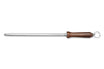
To restore the edge after proper cleaning, the use of suitable tools is essential. You can equip yourself via our selection on the accessories page to find the necessary stones and honing steels.
Detergent Standards
Detergent safety standards, as defined by certification bodies, mandate high alkalinity levels to guarantee tableware hygiene. However, these standards come into direct conflict with the preservation of high-precision cutting tools. According to AFNOR regulations on cleaning products, alkaline substances accelerate corrosion formation on cutlery alloys.
Recommendations from Master Cutlers
Our workshops advocate for immediate manual cleaning after each use. Using a non-abrasive sponge and lukewarm soapy water is enough to remove food residues without harming the blade.
| Frequency of Use | Type of Maintenance | Recommended Action |
|---|---|---|
| Daily | Basic cleaning | Wash with a sponge and dry immediately |
| Weekly | Edge maintenance | Run along a honing steel |
| Monthly | Deep restoration | Use a sharpening stone |
The Risks for the Handle
The handle is the element that suffers the most damage in a dishwasher. Whether it is made of natural wood, resin, or composite material, prolonged immersion and heat alter its structure.
Wood Deterioration
Wood is a living, porous material. Hot water and chemicals strip away the wood's natural oils, leaving it dry, brittle, and prone to cracking. Our ranges, such as Laguiole Héritage®, require manual maintenance to retain the shine and robustness of their handles.
Wear on Rivets and Fasteners
The assembly of the blade into the handle relies on rivets or a full tang. Temperature variations cause expansions that loosen these fasteners, leading to play in the knife's structure. Regular maintenance helps maintain the integrity of the whole assembly.
The Right Cleaning Method
To guarantee the durability of your equipment, you should adopt a simple but rigorous ritual. Immediate drying after washing is a crucial step to avoid any trace of residual moisture.
Steps for Manual Cleaning
- Moisten the blade under lukewarm, never hot, water.
- Apply a small amount of dish soap to a soft sponge.
- Clean the blade avoiding the abrasive side.
- Rinse thoroughly with clean water.
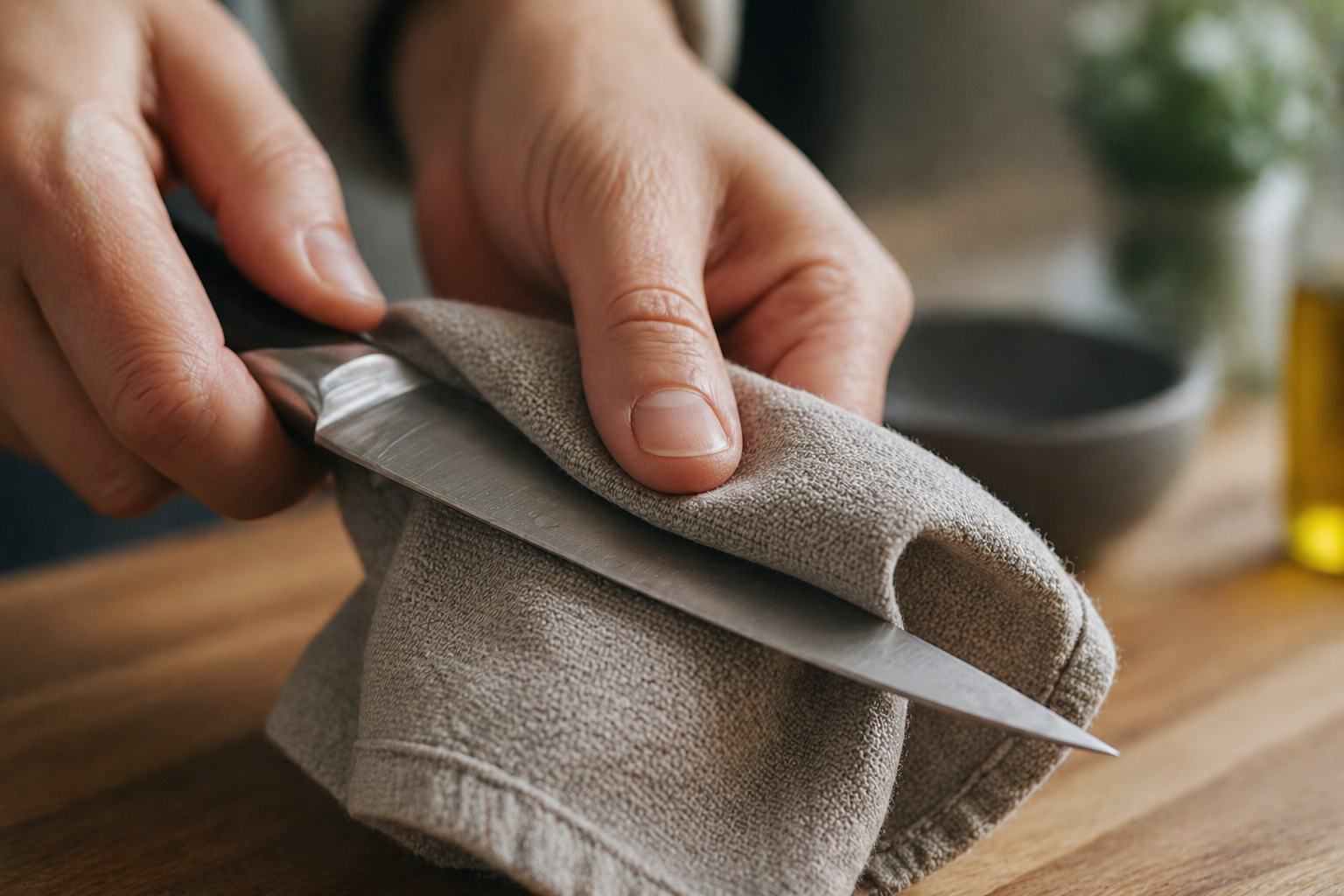
- Dry with a soft cloth immediately.
Once the knife is perfectly dry, it is recommended to store it in a block or on a magnetic rack to avoid any contact with other utensils. To perfect your maintenance technique, consult our article on the art of knife sharpening.
Frequently Asked Questions
Why did my wooden knife handle split?
Wood is a natural material that reacts to thermal shocks and dishwasher moisture. Aggressive detergents remove protective oils, which causes the wood to dry out and crack. Gentle manual washing is recommended to avoid this problem.
Can an Evercut® knife be put in the dishwasher?
Even with Evercut® technology, putting it in the dishwasher is still not recommended. Extreme washing conditions can damage the handle structure and weaken the assembly. Hand cleaning is the best practice to preserve the exceptional sharpness of the blade.
How do you remove stains from a knife blade?
For surface stains, use a paste made of baking soda and lukewarm water. Rub gently with a soft cloth, rinse thoroughly, and dry immediately. This removes marks without scratching the stainless steel of the blade.
Glossary
Alkaline detergent: A powerful chemical product designed to dissolve grease, whose high pH can cause corrosion in steels.
Oxidation: A chemical reaction of steel when in contact with water and air, which can lead to the appearance of stains or rust.
Assembly joint: The junction area between the blade and the handle, particularly sensitive to water infiltration during aggressive washings.