

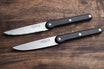

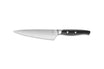

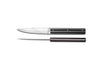
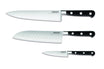
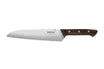

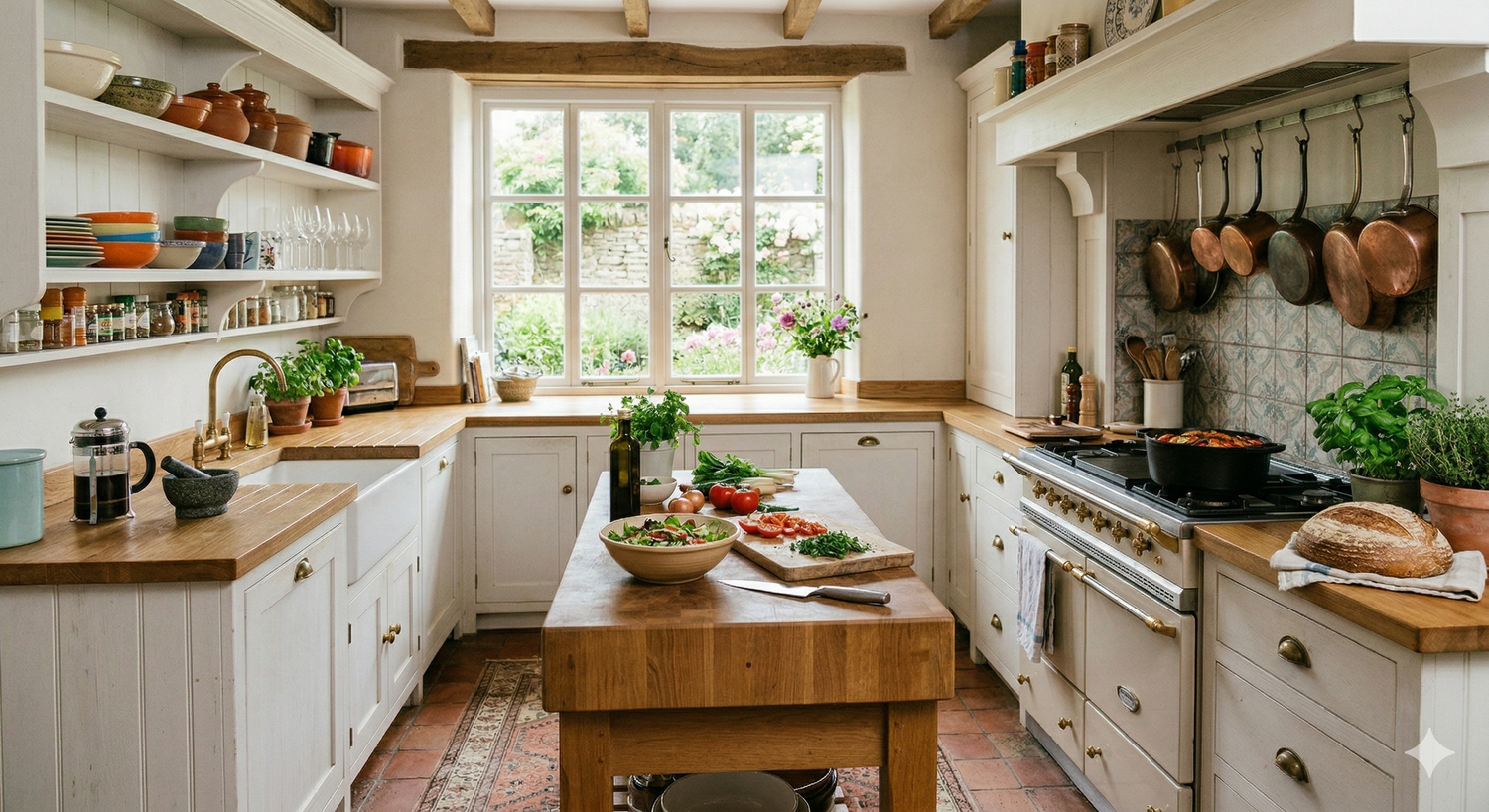
A family kitchen requires utensils suited for intensive and varied use. Between quick weeknight chopping and large weekend gatherings, the choice of blade must combine safety, robustness, and versatility to meet the needs of all household members.
Key Article Points
- The versatility of a kitchen knife allows it to cover a wide majority of daily preparations.
- An ergonomic and non-slip handle is essential to ensure safe handling.
- The robustness of the materials prevents breakage during common family misuse.
Specific Constraints of a Family Kitchen
Everyday cooking is distinguished by the variety of ingredients prepared. One must be able to cut tender vegetables, fibrous meat, or hard root vegetables. Family use also implies that several people use the same knives, from amateur cooks to teenagers who want to learn culinary skills.
The structure of the steel plays a major role in the tool's ability to resist torsion or shocks. To delve deeper into these technical aspects, you can consult the definition of stainless steel on the Wikipedia page on stainless steel.
Comparison of Materials and Uses
| Knife Range | Profile | Main Use | Robustness |
|---|---|---|---|
| Daily Collection | Utility knife | Versatile cutting, vegetables and meats | High resistance |
| Brigade Bois Range | Chef's knife | Slicing, chopping and cutting | Optimal |
Safety of Use and Ergonomics
Safety is the primary criterion to consider when multiple people use the same utensil in a dynamic environment like the kitchen. A well-sharpened blade requires less force to penetrate food, which limits the risk of slipping and accidental cuts.
The Importance of Grip
- A handle designed with a pronounced bolster to protect the fingers.
- Non-slip materials that ensure a secure hold, even with wet hands.
- A balanced center of gravity between the handle and the blade for total control of movement.
To discover utensils designed for daily safety and comfort, explore our selection on the Daily collections page.
Kitchen Safety Standards
According to AFNOR regulations concerning the safety of cutting utensils, blades intended for daily use must meet strict requirements for corrosion resistance and the strength of the assembly between the blade and the handle.
Robustness and Tolerance for Handling Errors
In a family setting, knives can sometimes be subjected to unforeseen stresses: contact with bones, cutting on a hard surface, or lateral twisting of the blade when separating frozen or very compact foods.
Common Mistakes to Avoid
To preserve your tools, it is important to avoid scraping the cutting edge directly on abrasive materials or forcing the blade's edge. To adopt good practices and preserve your cutting surfaces, we invite you to consult our guide on which knife to use for everyday cooking.
| Type of Handling | Consequence for the Knife | Corrective Action |
|---|---|---|
| Cutting on a hard surface | Edge flattening and chipping | Use a wooden cutting board |
| Lateral twisting | Deformation or breakage of the tip | Use an appropriate blade |
| Dishwasher washing | Handle deterioration | Hand wash and dry |
Versatility: A Set That Covers All Uses
A family kitchen doesn't necessarily need a dozen different knives. A well-thought-out basic set can handle 90% of daily preparations, from breakfast to dinner.
Kitchen Essentials
- Paring knife: for peeling, turning vegetables, and precise small cuts.
- Utility knife or santoku: for mincing onions, preparing meats, and chopping herbs.
- Bread knife: essential for cutting crusts without crushing the crumb.
To go further in building your set, you can read our advice in the article which knife to start with in the kitchen.
Teaching the Gesture: Initiating Teens and Adults to Knife Use
Transmitting culinary know-how is a rewarding family activity. From adolescence, learning to use a kitchen knife correctly allows for acquiring autonomy and self-confidence, while respecting the equipment.
Learning Techniques
Using the pinch grip, where the index finger and thumb grasp the blade just above the handle, ensures maximum stability. This learning significantly reduces the risk of slipping when cutting vegetables. Our Thiers workshops design robust tools to accompany this learning with complete peace of mind.
Frequently Asked Questions
What is the best first knife for a teenager?
A round-tipped paring knife or a small blade with a good bolster is ideal for beginners. This allows them to learn basic movements safely.
How do I maintain knives used by the whole family?
It is recommended to hand wash the blades with a soft sponge and dry them immediately. Weekly use of a sharpening steel helps maintain a sharp edge.
What is the difference between a chef's knife and a santoku?
A chef's knife has a tapered blade for a rocking motion, while a santoku has a straighter blade and a wide profile, ideal for quickly chopping and cutting vegetables.
Glossary
Cutting edge: The sharpened part of the blade that penetrates food to ensure a clean, effortless cut.
Edge: The microscopic ridge of the knife, subject to the mechanical stresses of daily cutting.
Micro-fractures: Small fissures invisible to the naked eye, caused by impacts on overly hard materials.