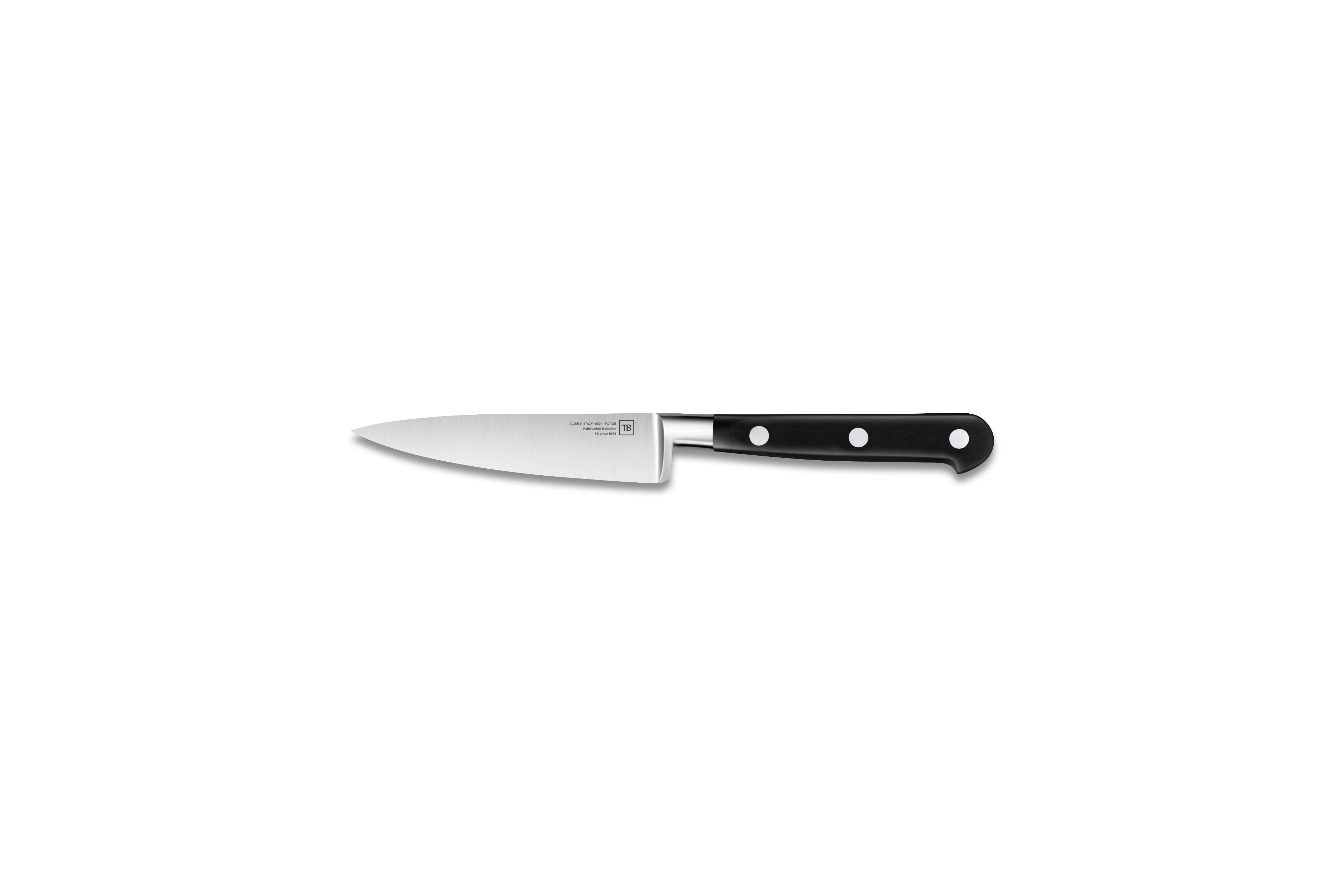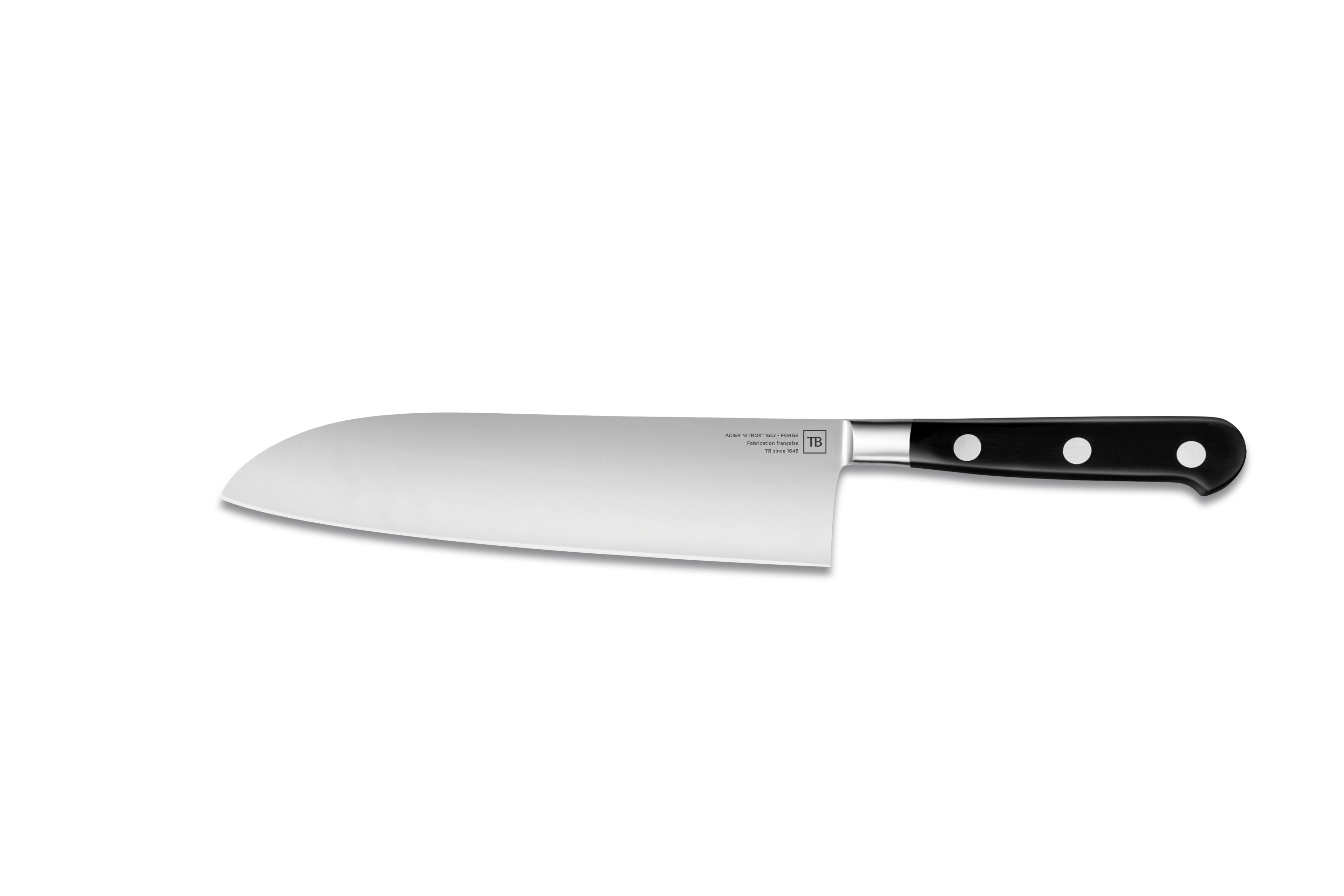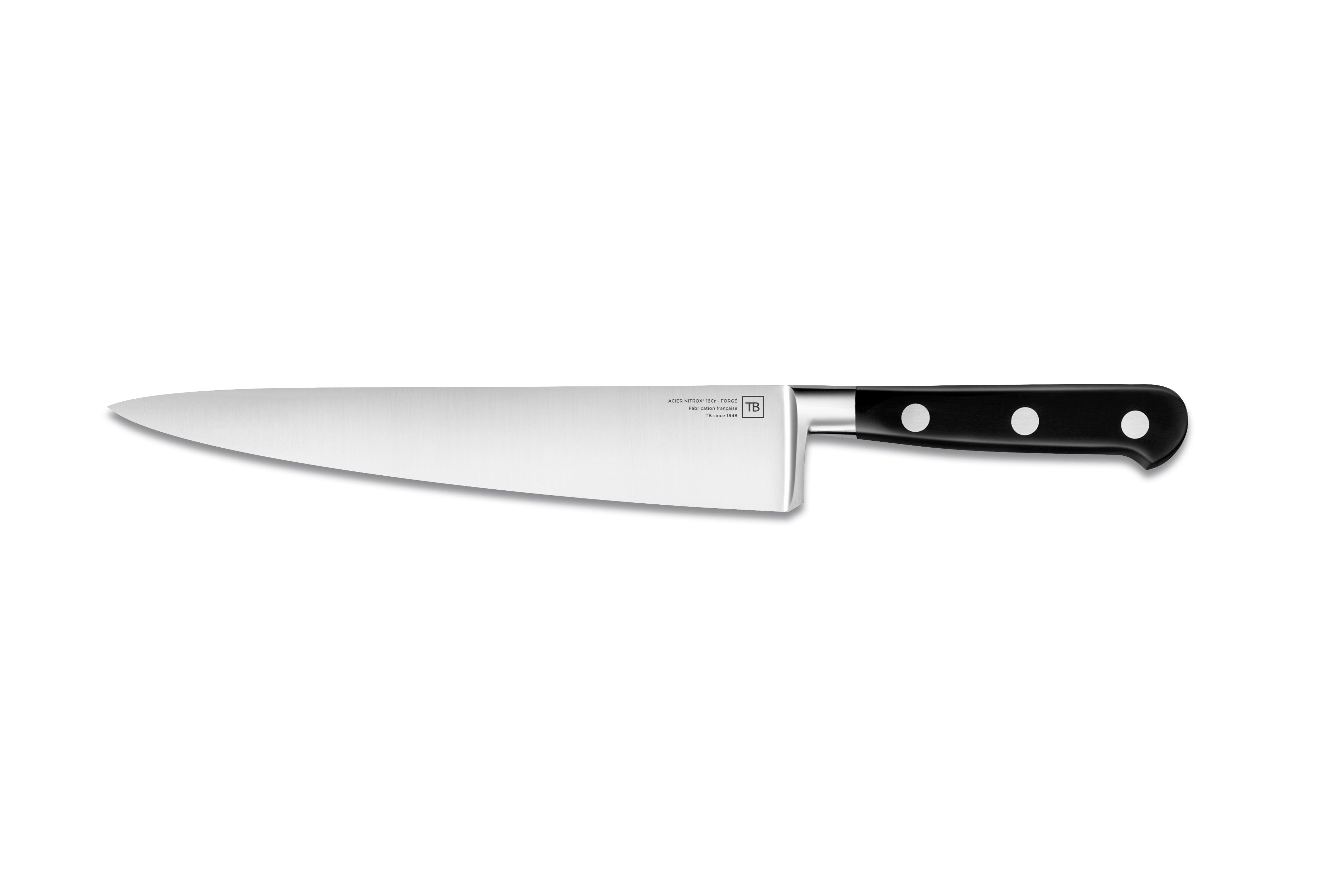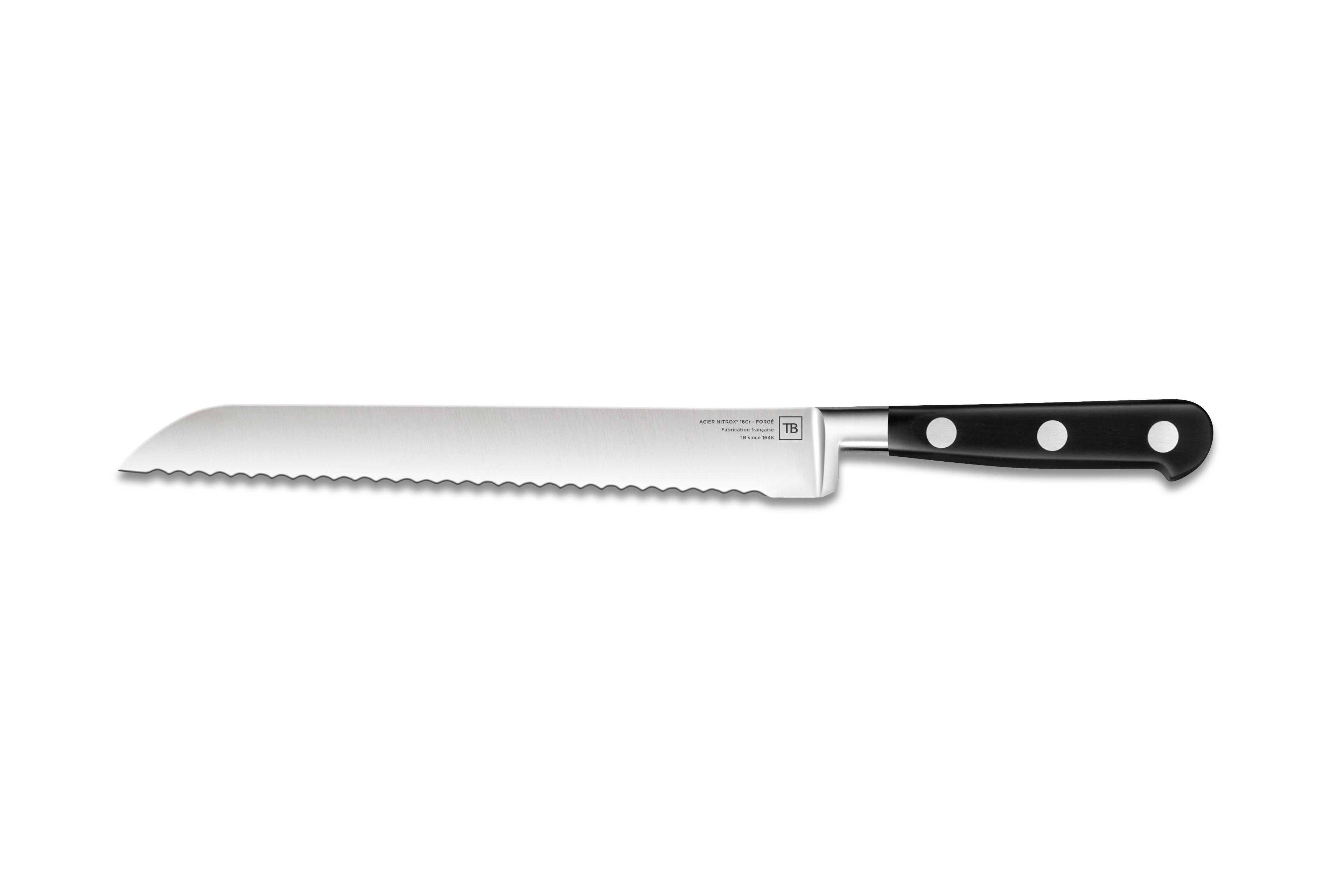

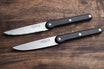

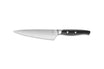
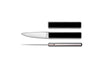
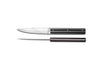
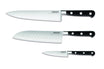
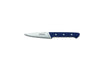


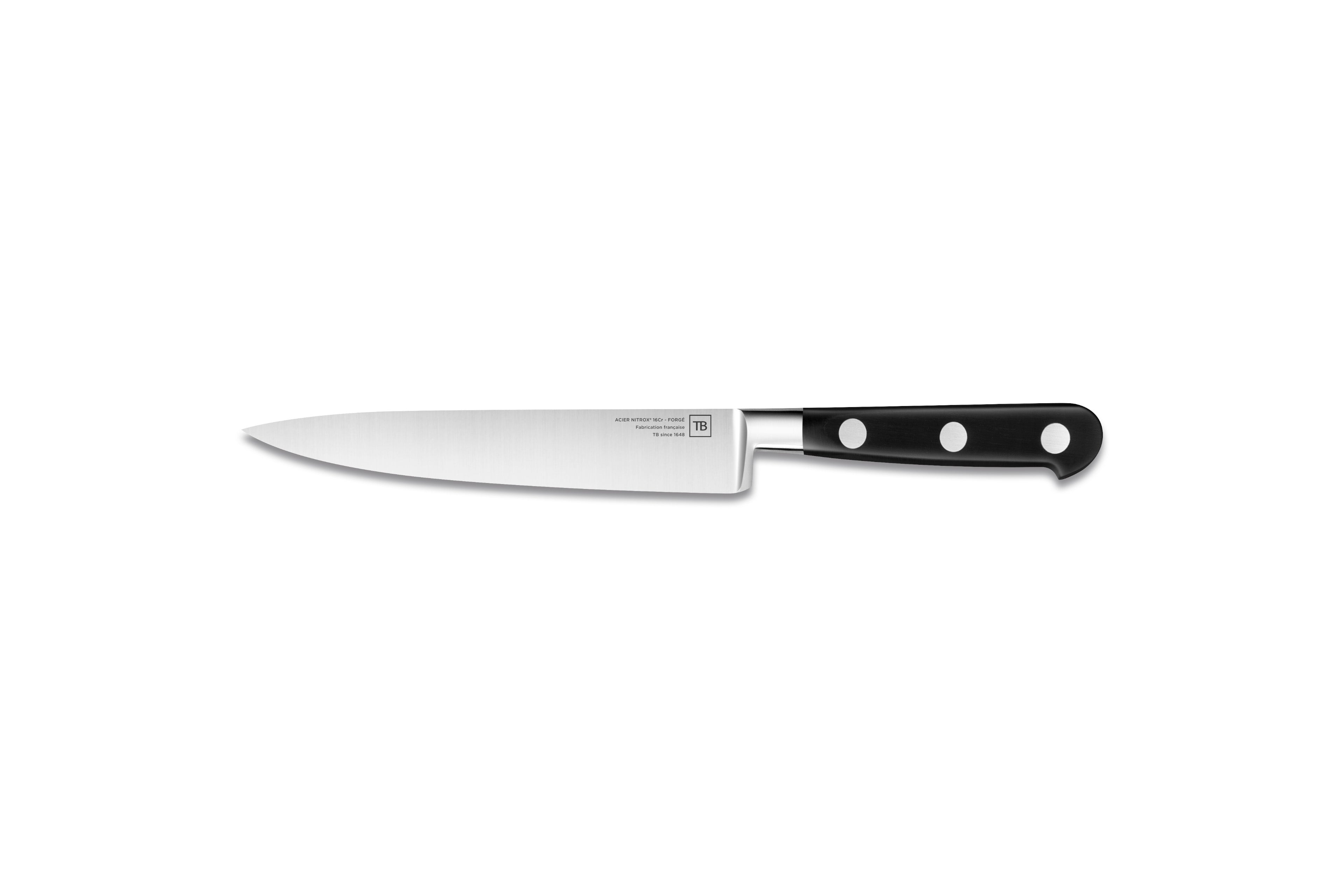
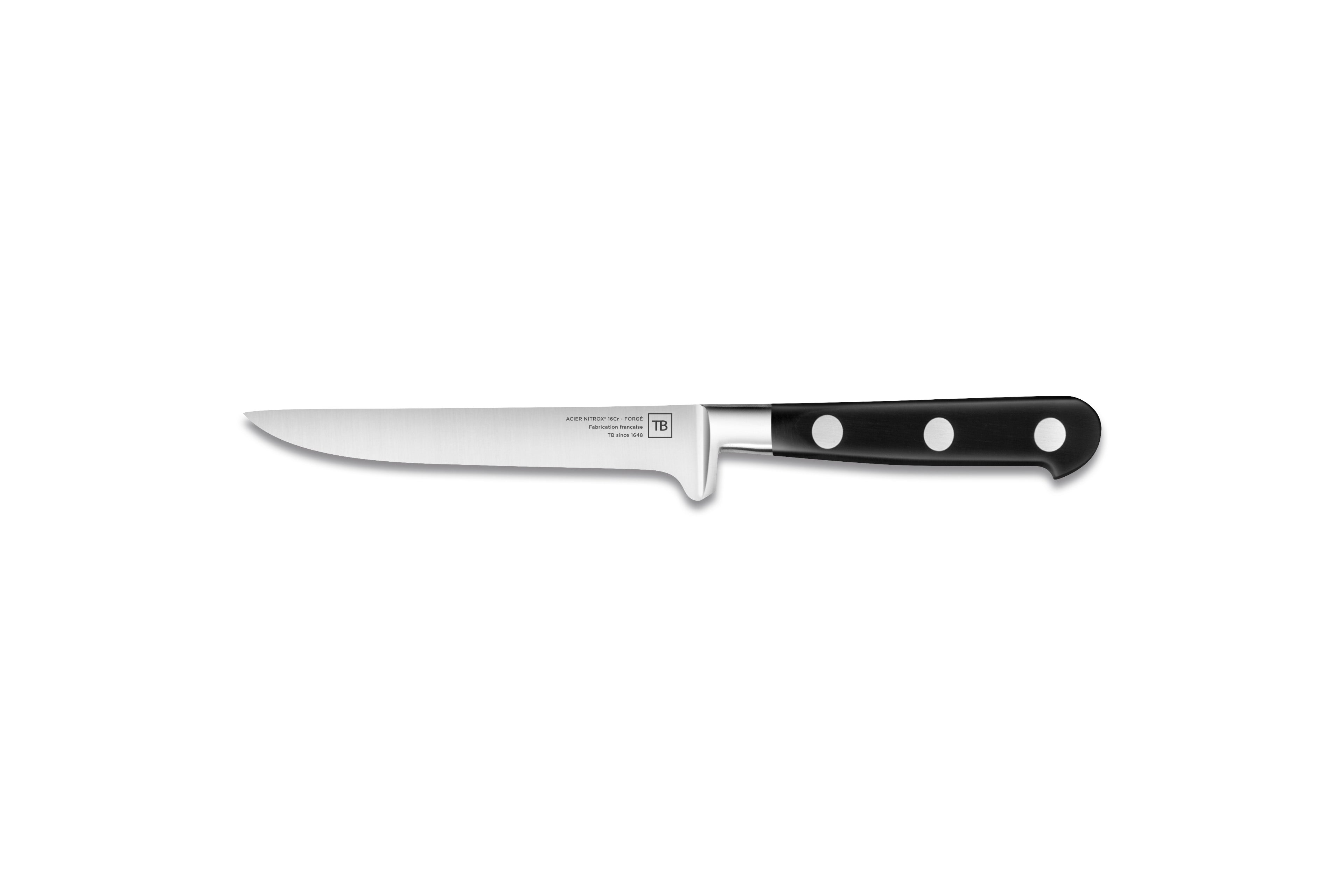
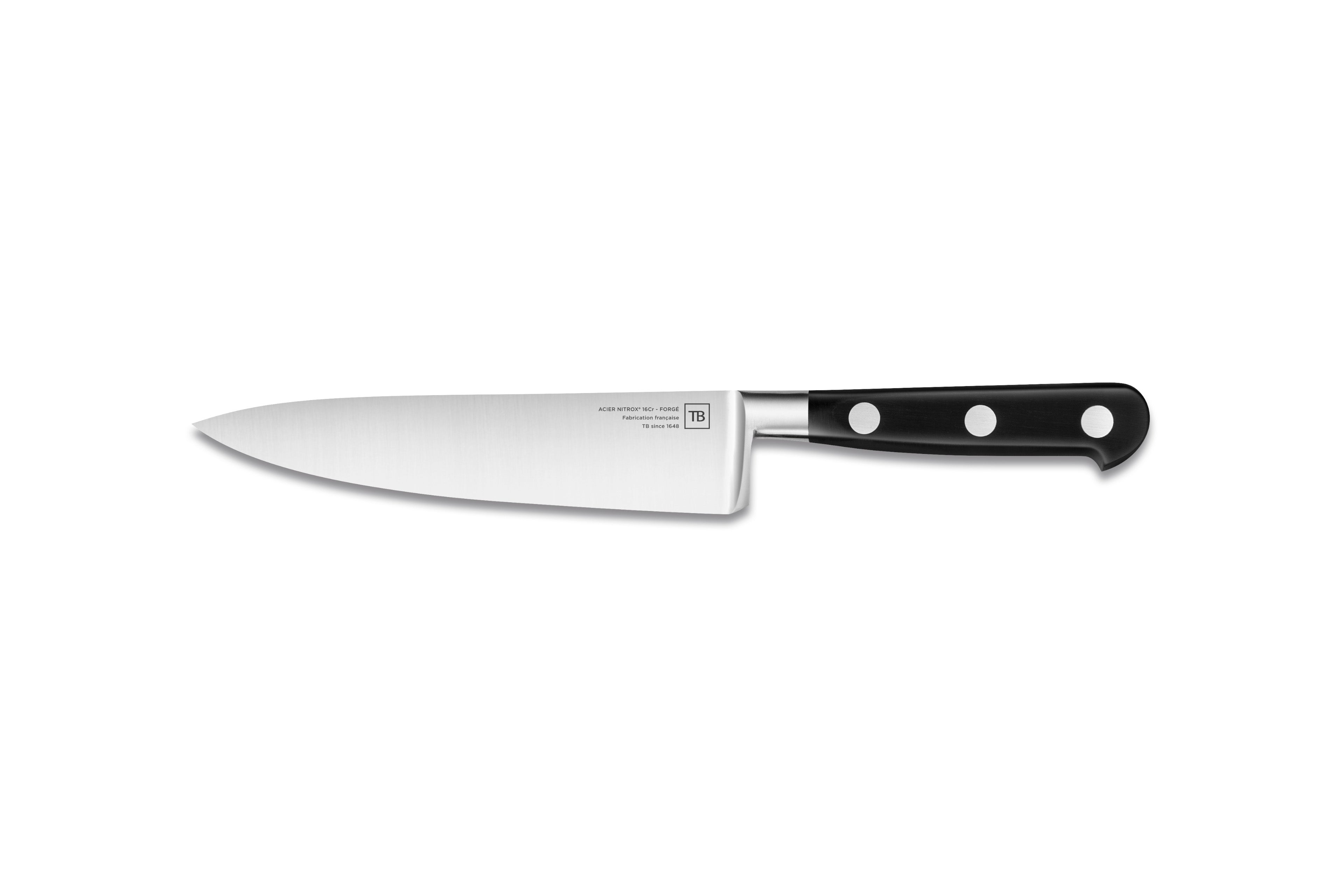
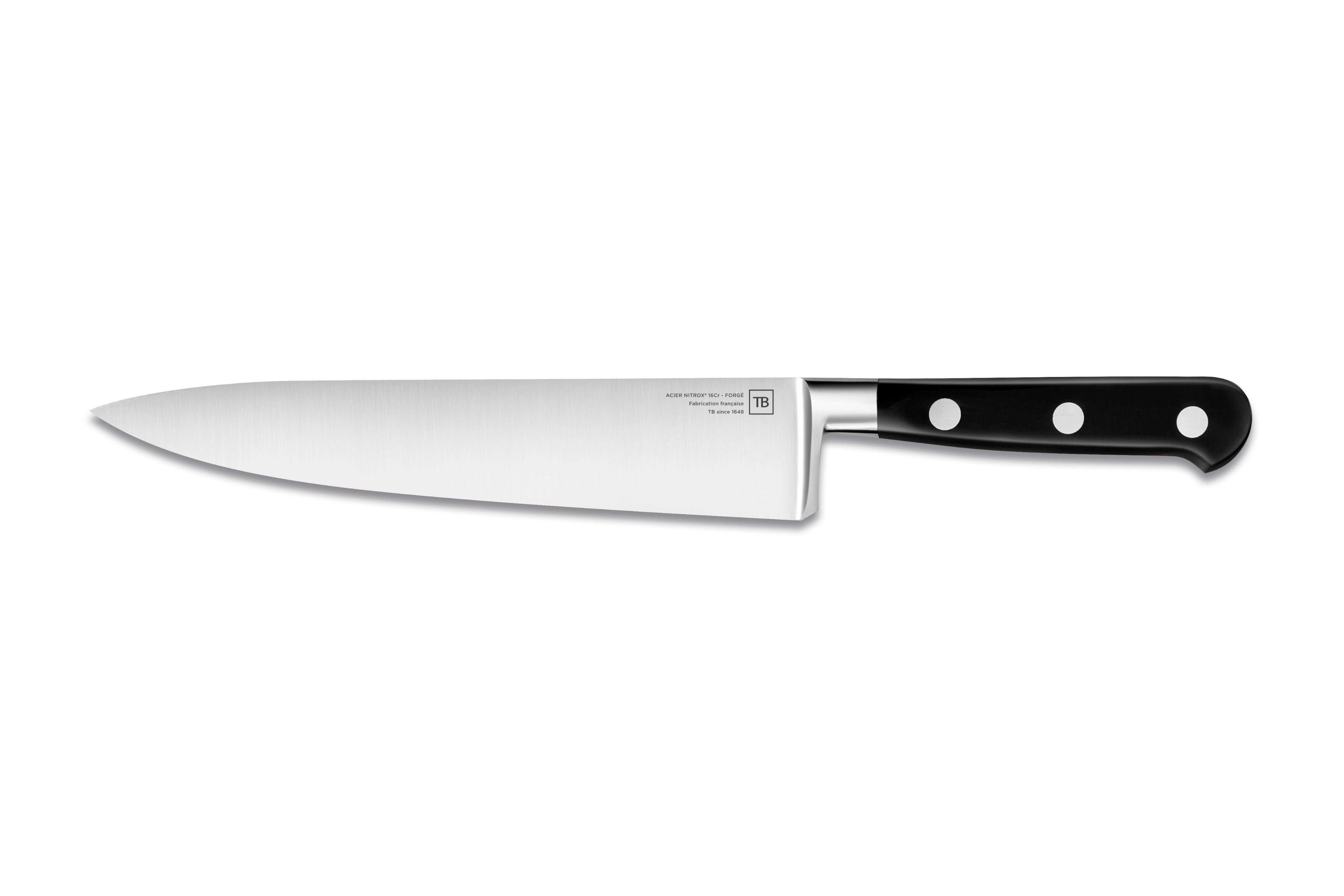
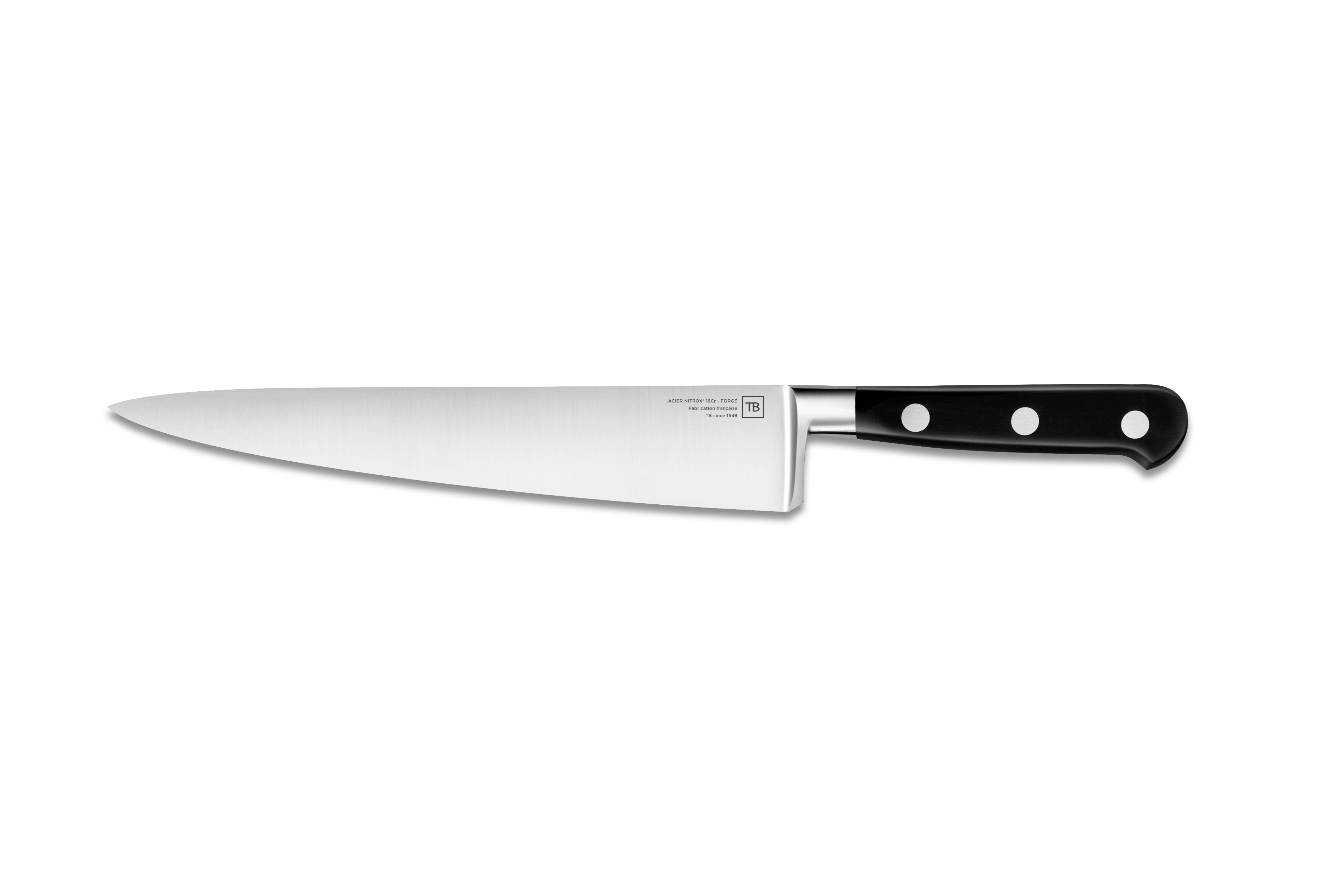
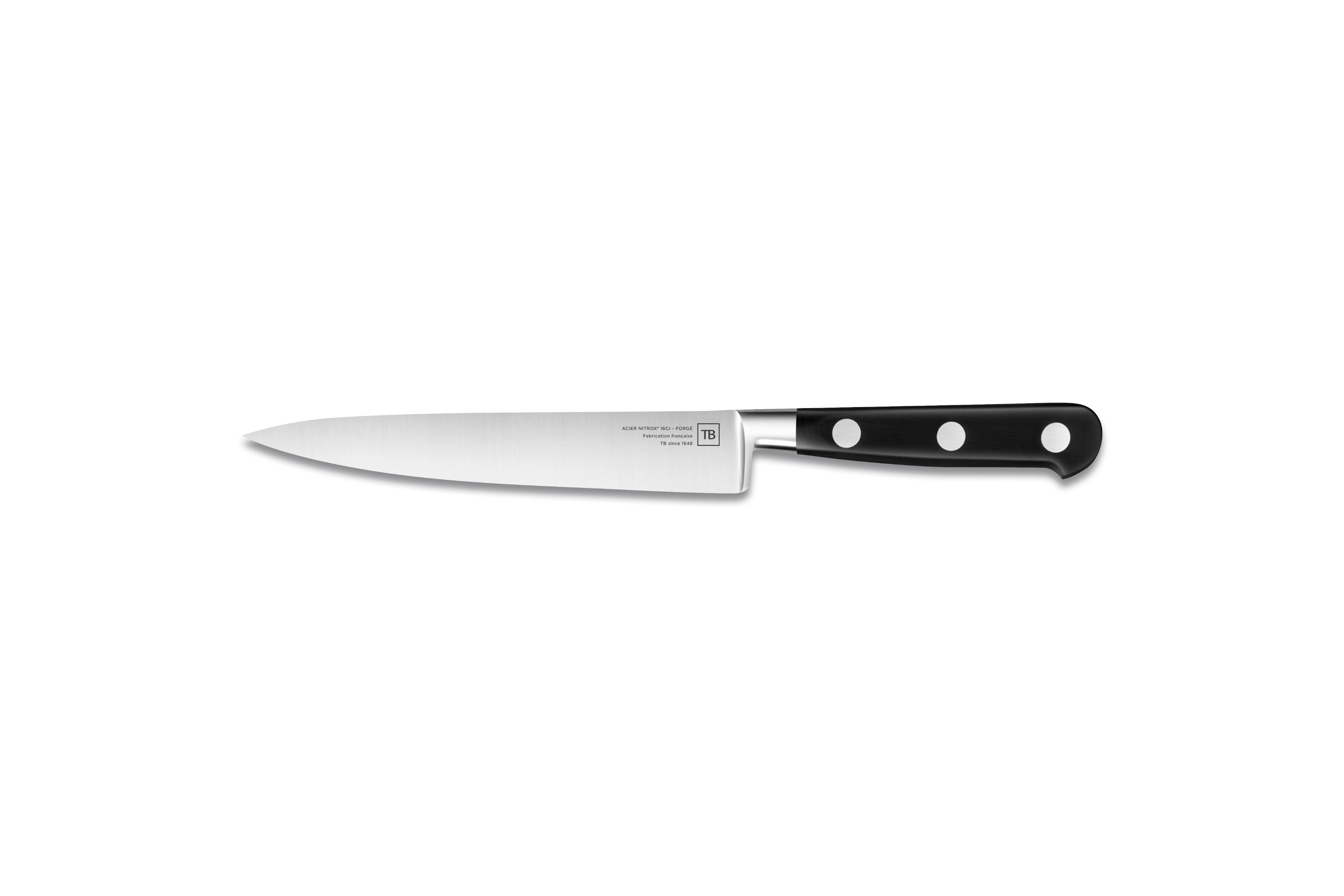
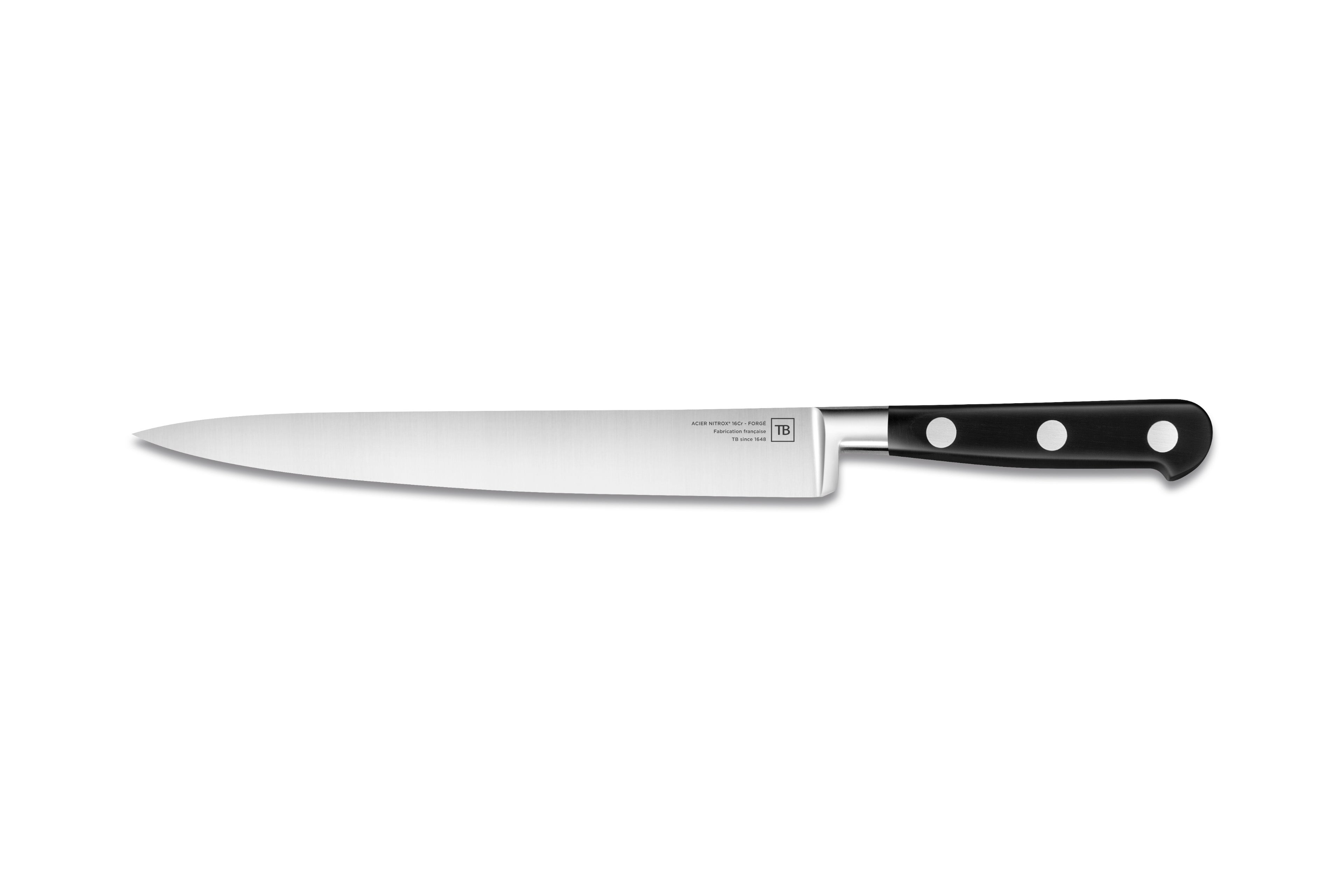
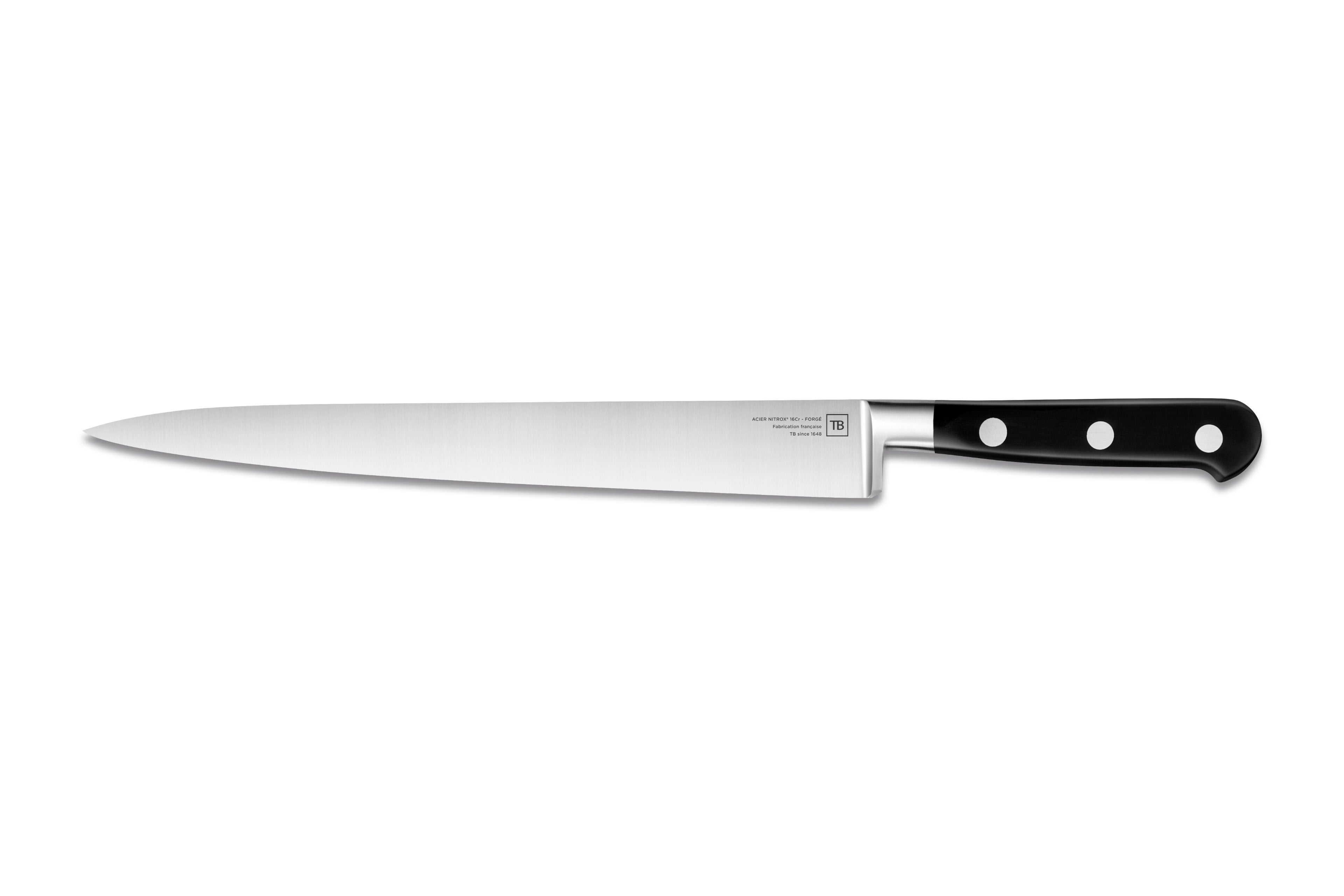
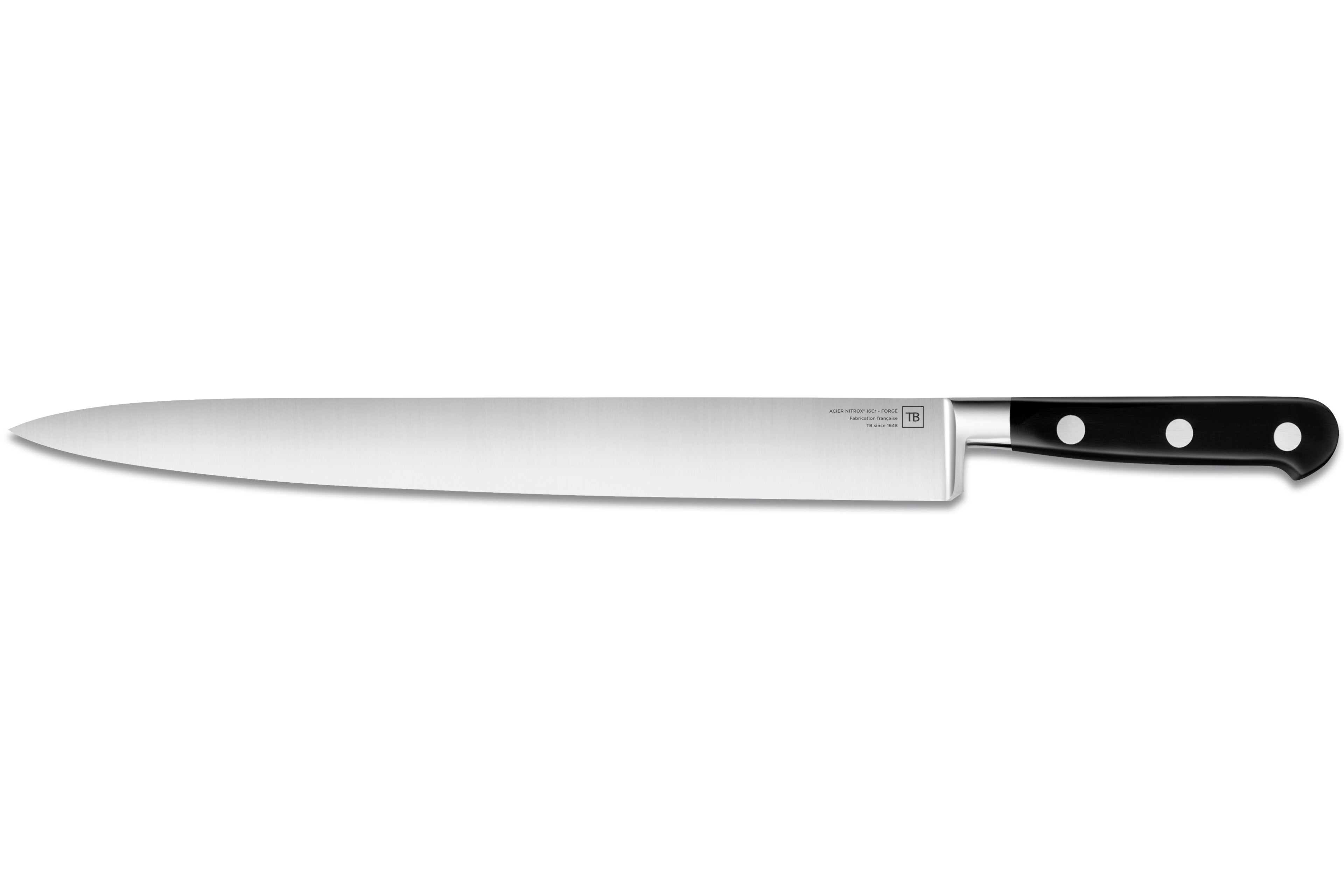
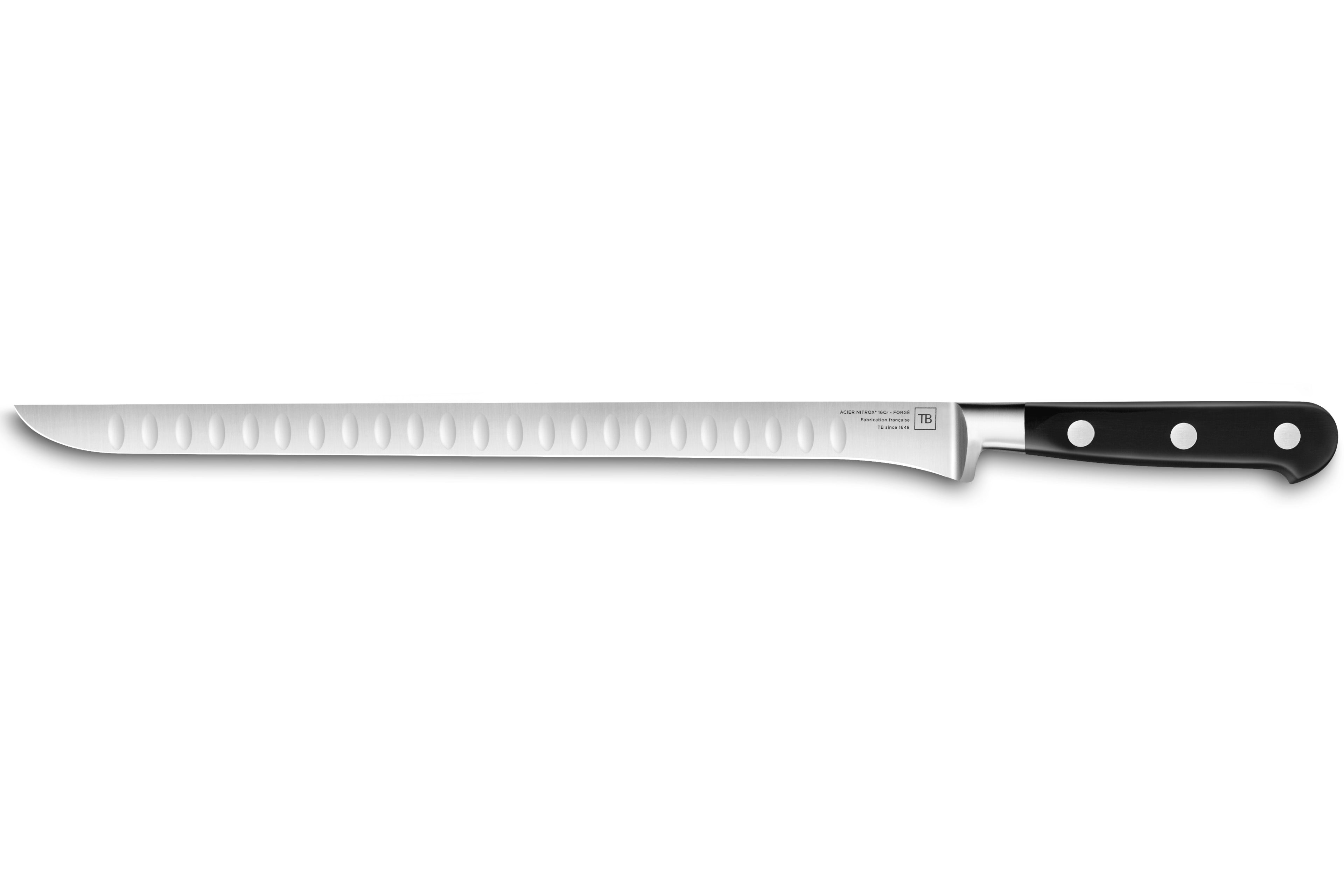
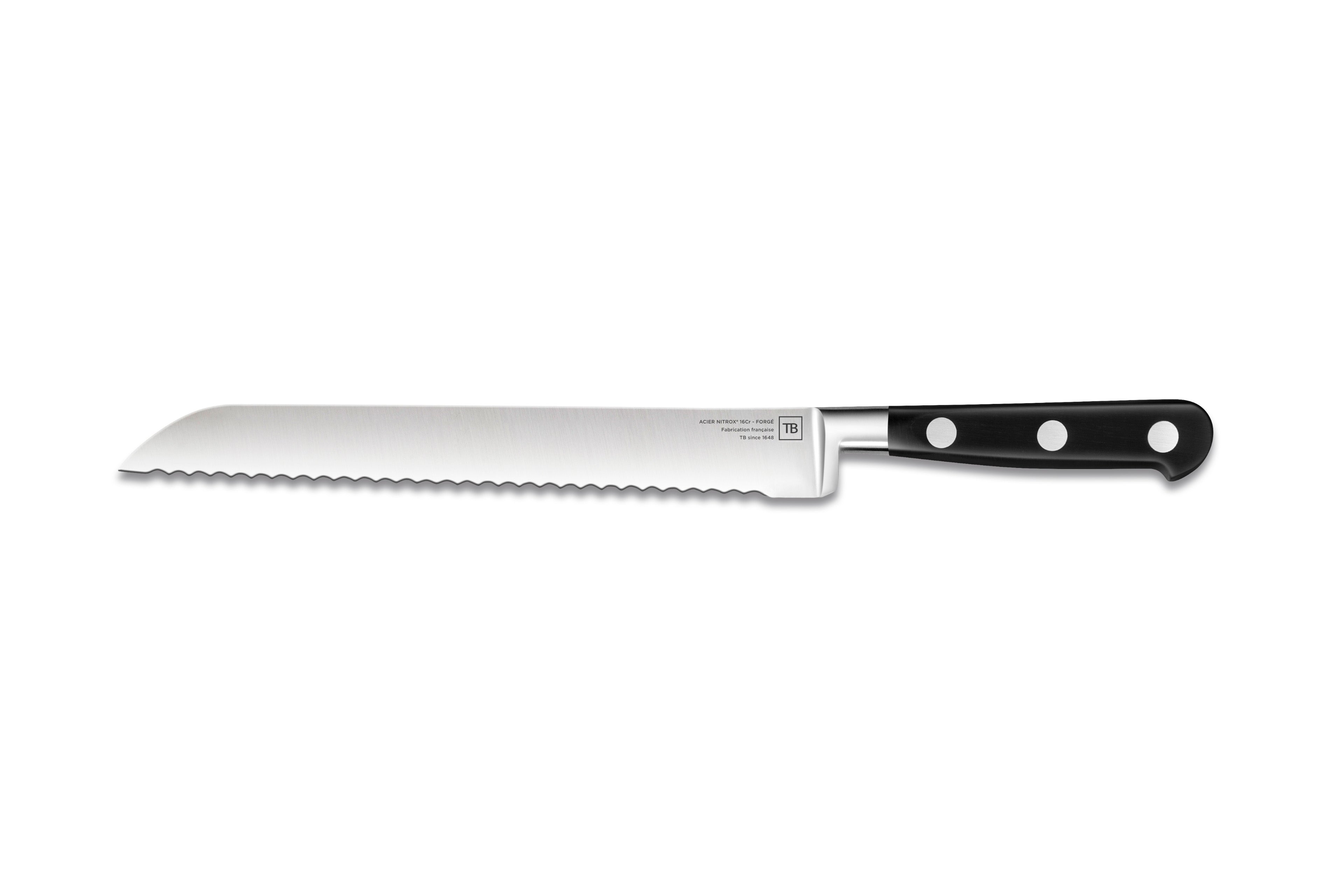
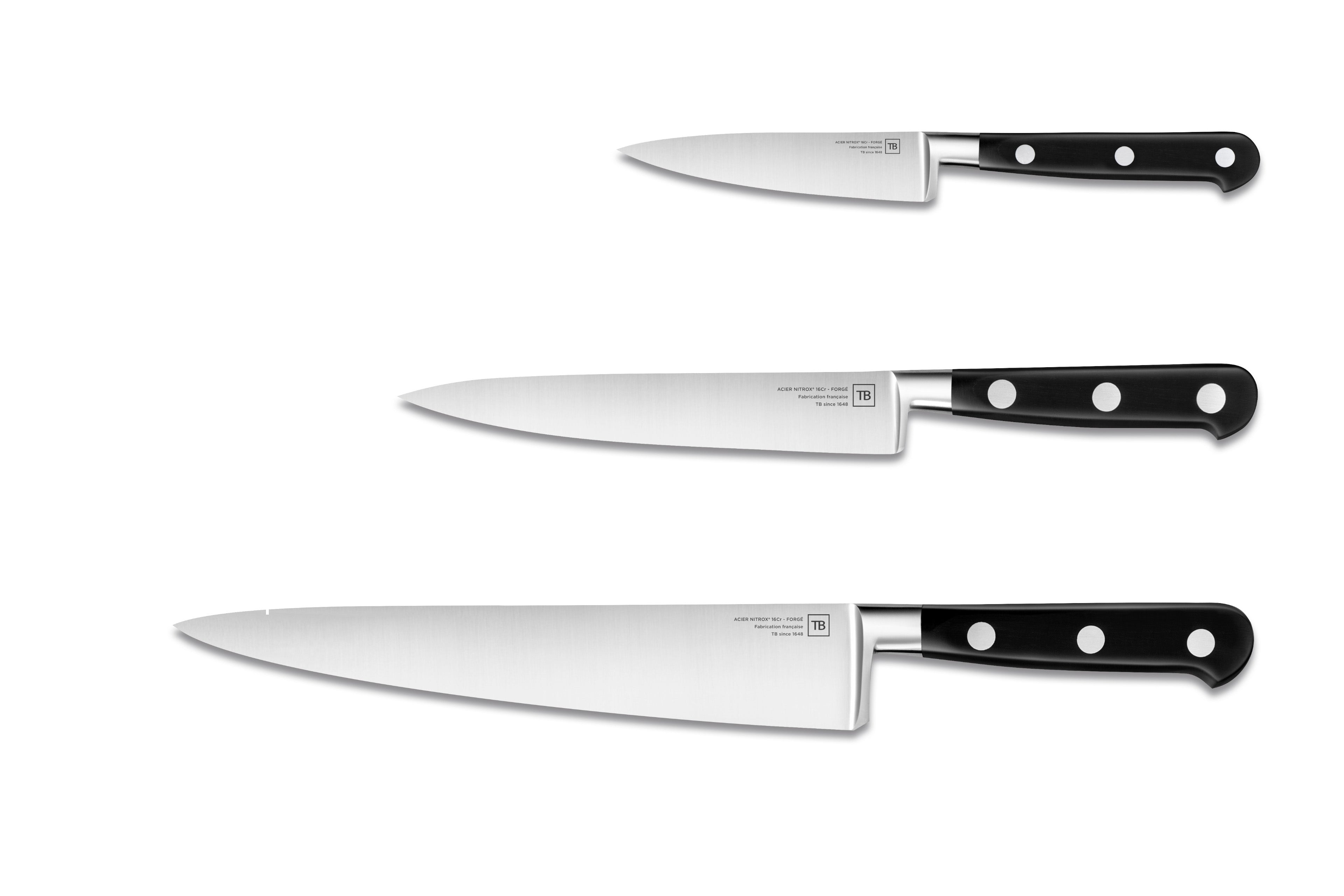
The Maestro® range: The soul of French cutlery
How can a simple knife last over a century without showing its age? The Maestro® range embodies this answer. Forged in tradition, it represents the best of French cutlery: a tool that lasts, reassures, and transmits heritage. You recognize it at first glance.
Professionals choose it with their eyes closed. And for good reason: its shape has entered our collective imagination as the quintessential kitchen knife. Let's discover together what makes Maestro® much more than just a tool, but a true legacy.
Key features at a glance
| Characteristic | Detail |
|---|---|
| Steel | Nitrox® 16% |
| Manufacturing | Forged knives, ancestral process |
| Handle | Polyacetal (POM) |
| Rivets | 3 stainless steel rivets (not aluminum) |
| Range | Over 12 references, one knife = one function |
| Durability | Generational transmission |
| Design | Iconic, unchanged for over a century |
Why does Maestro® embody French gastronomy?
Some objects tell a story without needing words. Maestro® is one of these silent legends. It's impossible to pinpoint its exact birth, but one thing is certain: its shape has never changed. Why? Because it works. Pure and simple.
Generations of cooks have learned their trade with this knife in their hands. In professional brigades, it's a given. No need to explain, no need to convince. The silhouette speaks for itself.
It's no coincidence that many French cutlers offer similar ranges. This design belongs to the collective history of cutlery. It's essential. But be careful: not all manufacturing processes are equal, and manufacturing details can lead to large variations in quality. Maestro® knives receive all the attention they deserve from TB-1648's cutlery craftsmen.
What makes Nitrox® steel so effective?
We don't mess around with steel. At TB-1648, we chose Nitrox® 16%, the same steel used in tactical and military tools. You might wonder why such a high standard for a kitchen knife?
Because the kitchen is an extreme environment. Humidity, acids, fats, thermal shocks... Your knife experiences it all. Nitrox® meets these challenges brilliantly.
Its secret? An innovative formulation where nitrogen partially replaces carbon. The result: the same hardness, better corrosion resistance. It's like having your cake and eating it too.
What does this actually mean for you?
- A blade that lasts: the cutting edge stays sharp longer
- Easy sharpening: a few passes on your sharpening steel are enough
- High rust resistance: even after years of intensive use
- Precise cutting: the essence of professional knives
For chefs who work back-to-back services, it's a guarantee of reliability. For passionate home cooks, it's the assurance of cooking with the same pleasure for decades.
What does "forged" truly mean today?
Imagine: molten steel, struck into shape. We return to ancestral gestures, those that shaped the first blades millennia ago. The complete blade, from tip to end of the handle, is a massive piece. The bolster, which takes its volume from the molten steel, is born under the blows of stamping presses.
The process, modernized, combines a traditional approach with industrial precision. After forging, each blade is meticulously worked: refining shapes, polishing, heat treatments.
Why is this important? Because a monobloc knife will always be more resistant than an assembled or molded knife. This is the difference between a product that lasts and a product that stands the test of time.
You feel it from the first use. The weight, the balance, the feel in hand... A forged knife doesn't lie.
How does the bolster ensure safety?
Have you ever slipped while cutting a resistant food? That split second when your hand slides towards the blade? This is precisely where the bolster comes in.
On Maestro® knives, it is deliberately generous on the blade side. This is not an aesthetic choice; it's a professional standard. This stop naturally prevents your index finger from slipping and offers a solid point of support for cuts that require force.
Slice a cabbage, cut a pumpkin, debone poultry... Your hand remains safe. The bolster acts as a barrier. This detail distinguishes a domestic knife from a professional tool.
All chefs know it: a good bolster is the assurance of working calmly, even under pressure, even during a rush. In a professional kitchen, there's no time to think about your grip. It has to be instinctive, safe.
And the handle?
The handle is often overlooked. We always talk about the blade. Yet, it's what you hold in your hand hundreds of times a week. So it might as well be perfect.
Polyacetal, also known as POM, is not a default choice. It's a technical material that ticks all the boxes for intensive use:
- Resists aggressive detergents in professional dishwashers
- Impermeable to moisture, even after years
- Unaffected by fats and oils
- Neutral to acids (lemon, tomato, vinegar...)
- Robust against shocks and drops
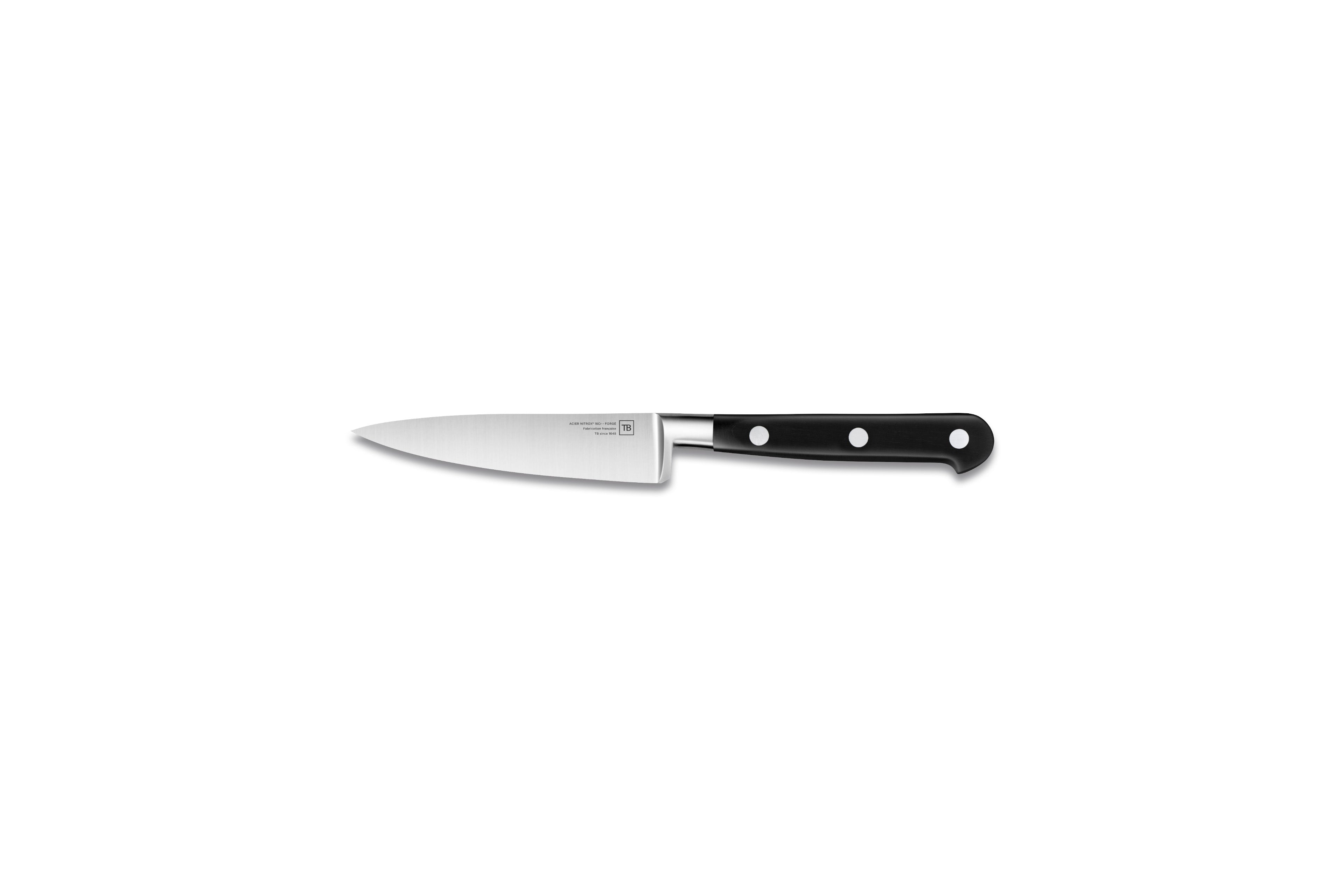
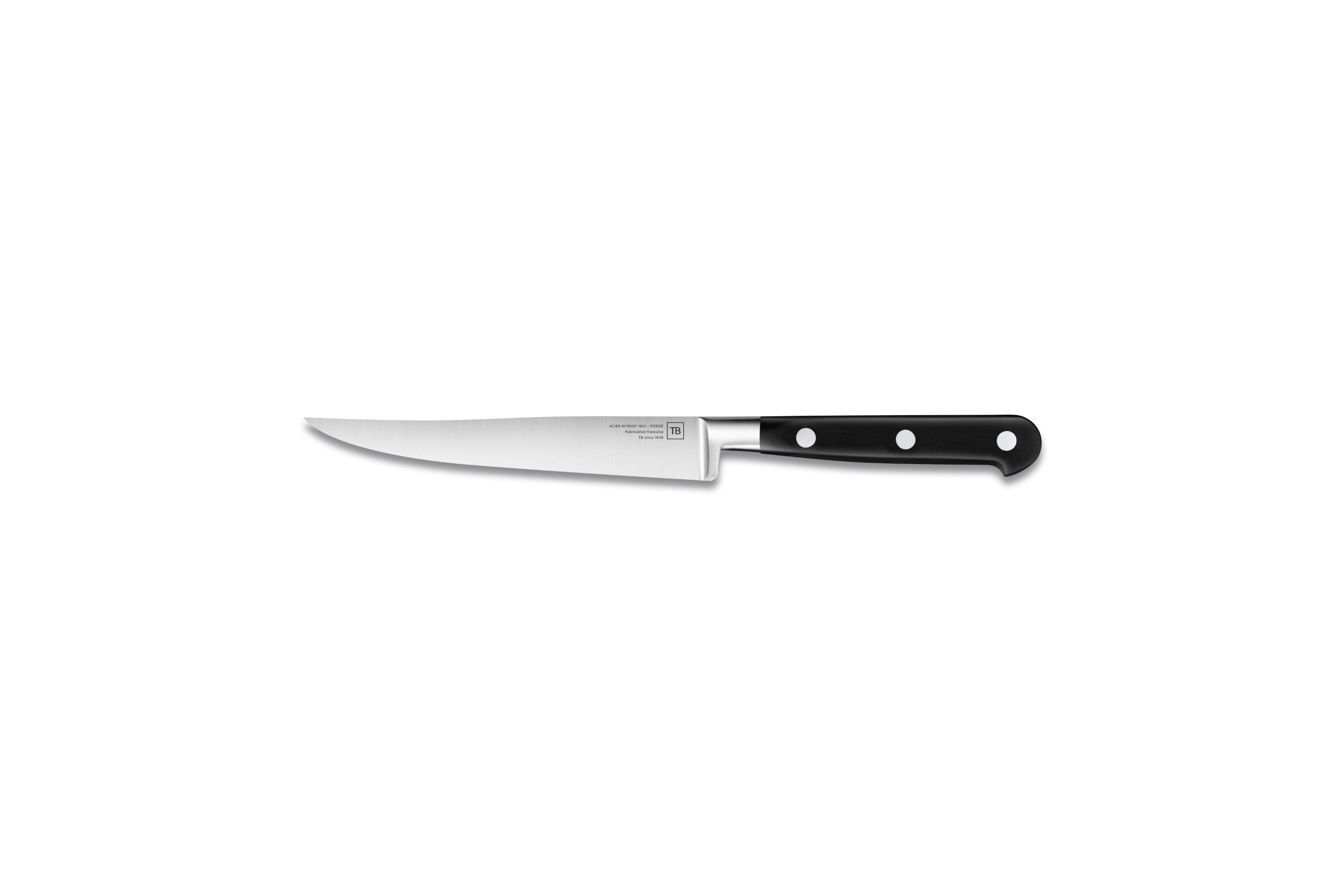
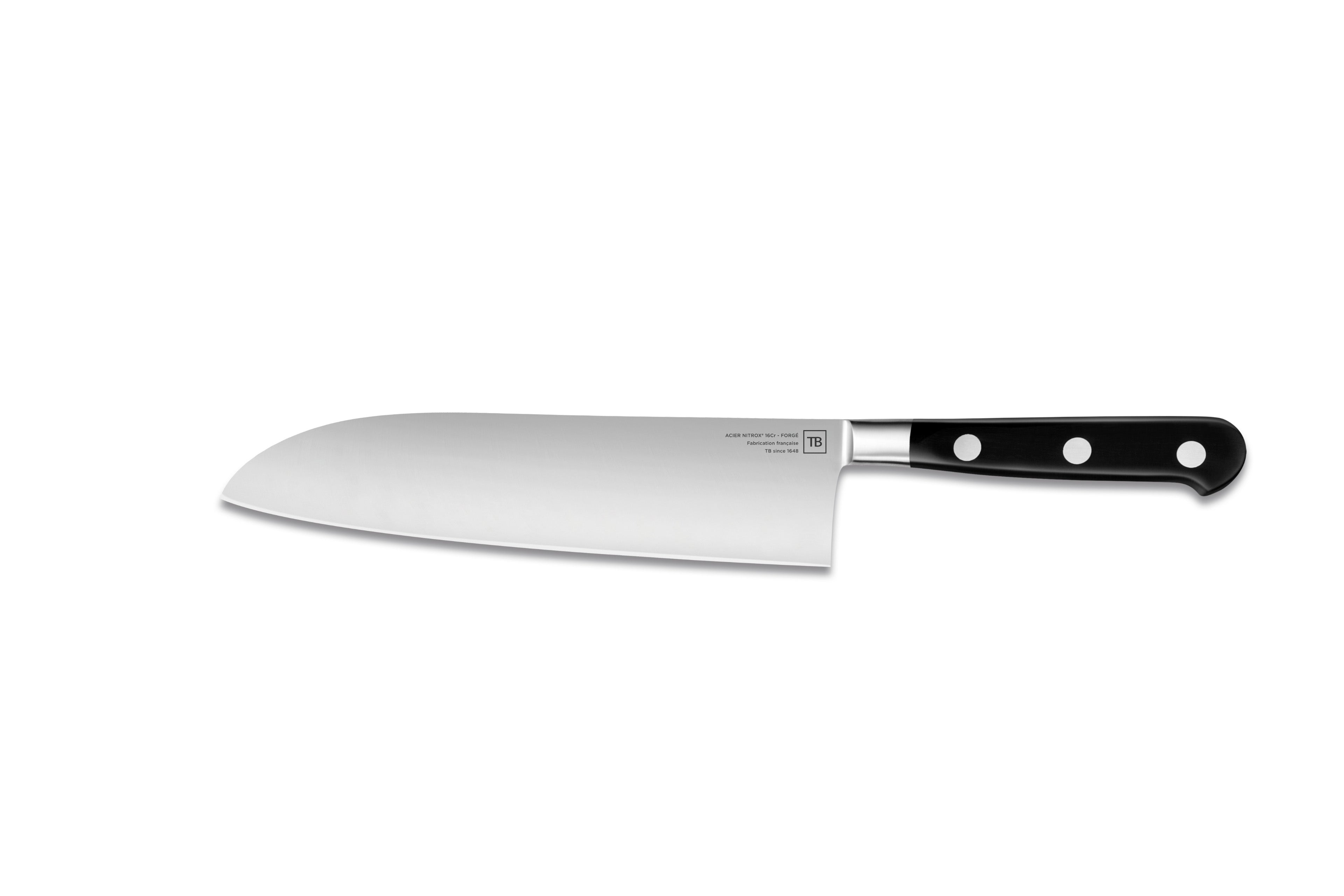
The two scales are fastened by three stainless steel rivets, not aluminum. Another detail that matters. Stainless steel does not oxidize or loosen. Once polished as a whole, your Maestro® knife becomes virtually indestructible.
Is it worth investing in such a level of quality? If you want to pass your tools down to the next generation, yes. Absolutely. There's no reason why a well-maintained Maestro® shouldn't last for 30, 40, 50 years.
How many references make up the complete range?
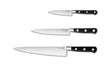
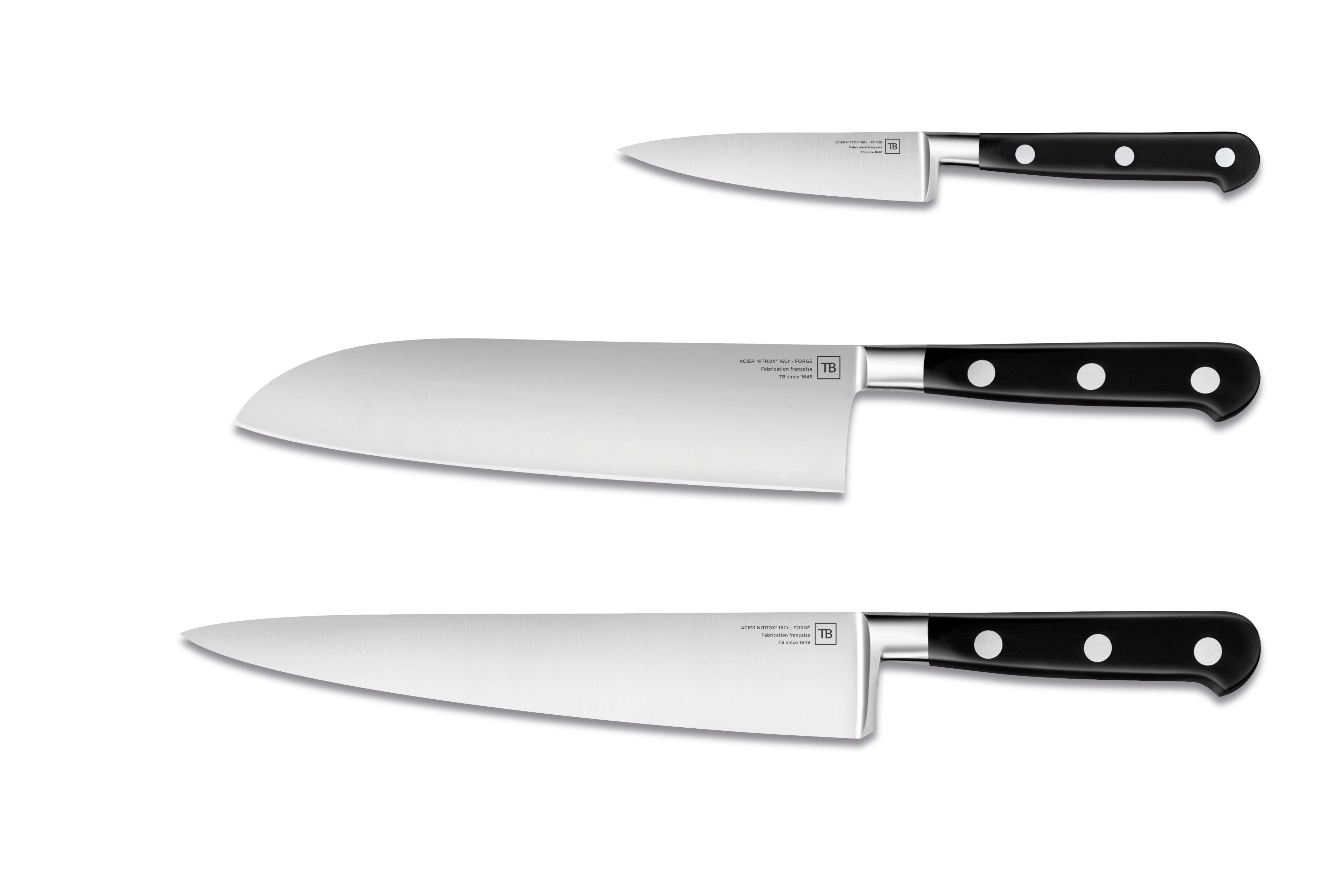
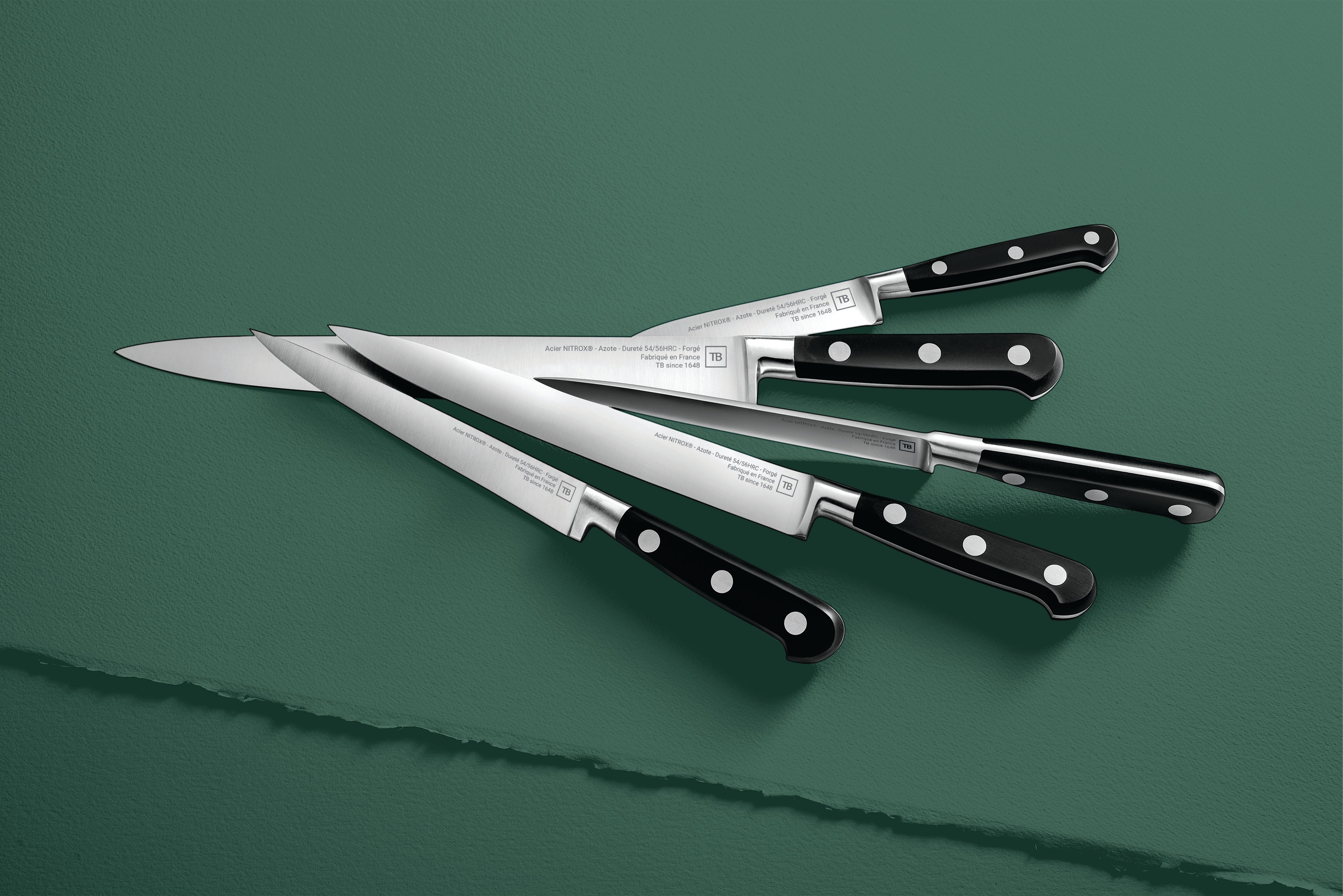
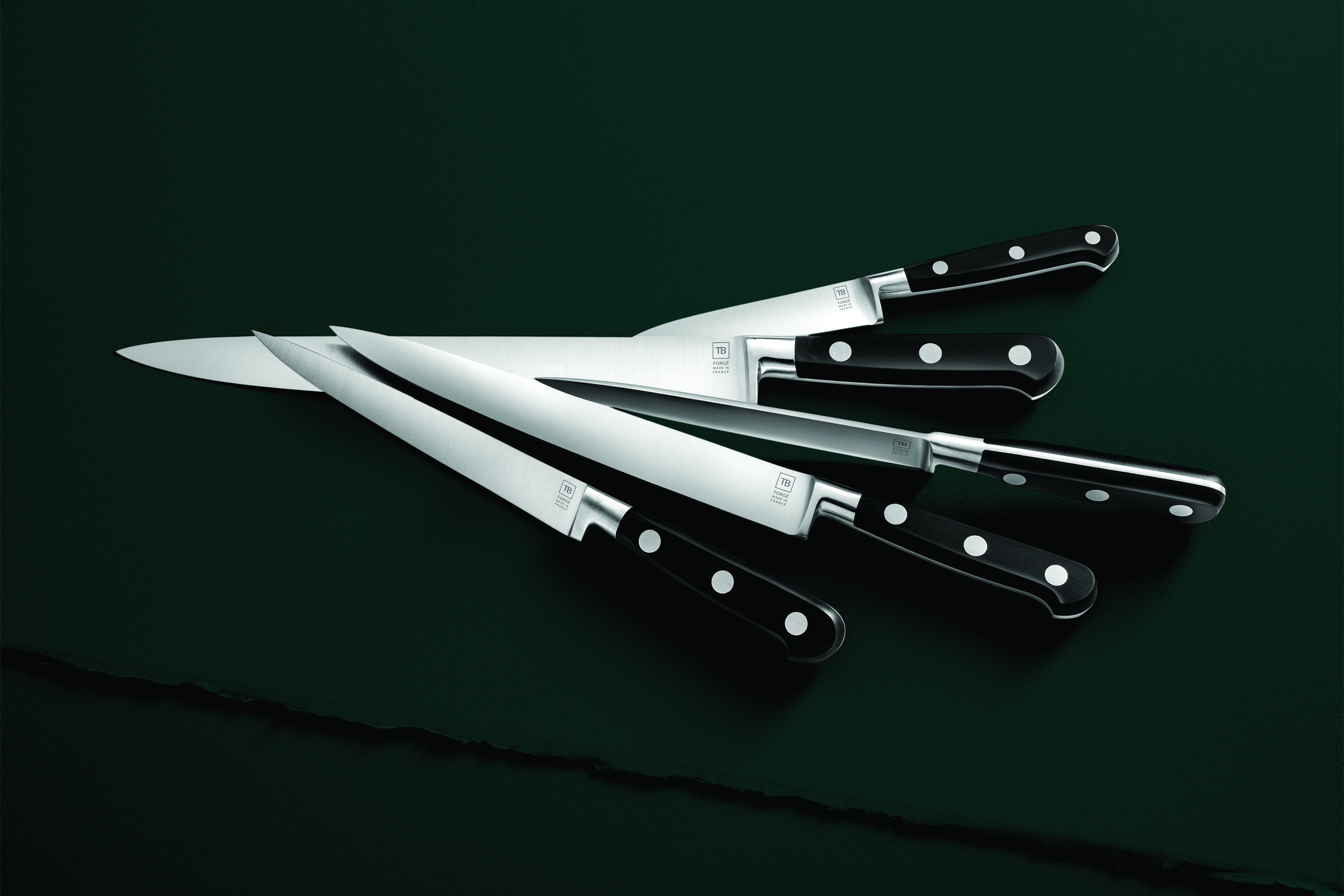
This is where Maestro® truly stands out. It's not a small range of 5 or 6 "all-purpose" knives. We're talking about over 12 references, each designed for a specific function.
Why so much choice? Because Maestro® is primarily aimed at professionals. And a professional doesn't compromise on their tools. In a brigade, you don't cut fish the same way you slice bread. You don't mince herbs the same way you articulate a carcass.
One knife = one function. That's the rule.
You'll find:
- Paring knives for small precision tasks
- Slicing knives for vegetables
- Chef's knives in different lengths
- Fillet knives for fish
- Boning knives for meat
- Santoku knives for cutting with a straight edge, a generous blade height with "dimples" that allow food to detach easily.
- And many other specialists...
For the passionate home cook, it offers freedom: to assemble their equipment according to their actual needs. No need to buy everything at once. Start with the essentials, and add as your culinary skills evolve.
Who is the Maestro® range really for?
Still hesitating? Wondering if Maestro® is for you? Let's ask the right questions.
- Are you looking for a tool whose manufacturing has been proven for over a century? Maestro® ticks that box. Its shape has never changed because it never needed to. It works. Period.
- Do you want to avoid mistakes on your first purchase? This is probably the safest choice. No gamble on a novelty, no risk of disappointment. You're investing in a sure bet.
- Are you a demanding professional or enthusiast? Then you'll find the standards of your trade here. That reassuring bolster, that perfect balance, that uncompromising durability.
- Are you looking to equip yourself gradually? The wide range offers you this flexibility. One knife at a time, according to your desires and your budget.
Maestro® reassures. That's perhaps its greatest asset. In a market saturated with ephemeral novelties, choosing Maestro® means choosing peace of mind. You know it works. You know it will last. You know that thousands of professionals have trusted this design for generations.
It is this obviousness that makes this range strong. No need for aggressive marketing. The product speaks for itself.
FAQ: Your technical questions
Can Maestro® knives be put in the dishwasher?
Although polyacetal and stainless steel are technically dishwasher safe, we recommend hand washing to preserve the optimal sharpness of the blade. Shocks and aggressive products can alter the cutting edge in the long term.
How often should a Maestro® be sharpened?
It depends on your use. For daily domestic use, a pass on a sharpening steel once a month is usually sufficient. A full sharpening (stone or professional) every 6 to 12 months maintains optimal performance.
How to maintain the handle?
Very simply: soapy water and immediate drying. Avoid direct heat sources (hobs, ovens). The handle is robust but does not like extreme temperatures.
Can the rivets loosen over time?
The three stainless steel rivets are designed for permanent fastening.
Glossary
- Nitrox® Steel
- Stainless steel where part of the carbon is replaced by nitrogen, offering superior hardness and corrosion resistance.
- Forged
- A manufacturing process where molten steel is struck into shape, creating a dense and homogeneous structure.
- Bolster
- The widened part between the blade and the handle that protects the fingers and acts as a stop during cutting.
- Polyacetal (POM)
- A technical polymer highly resistant to chemical aggressions, moisture, and mechanical wear.
- Stainless steel rivets
- Fasteners made of stainless steel that assemble the handle scales to the tang of the blade, ensuring strength and durability. Unlike aluminum, stainless steel rivets are not affected by the ravages of time.