

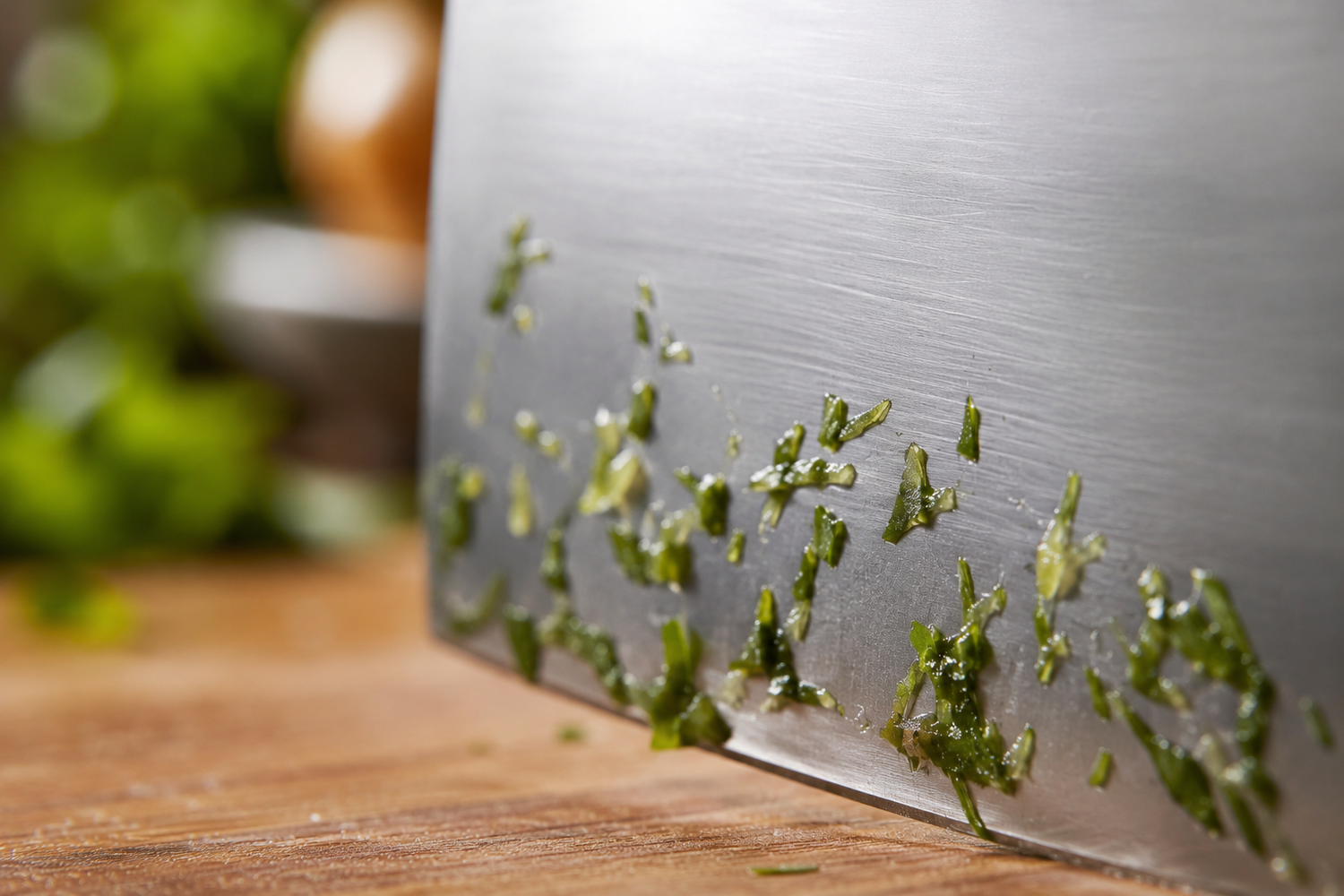
Cutting starchy or watery vegetables often causes pieces to stick to the steel. This natural phenomenon slows down preparation and can affect the consistency of your cuts. Understanding the physical causes of this problem allows you to choose the right tools and adapt your technique.
Key takeaways from the article
- Atmospheric pressure and humidity create a suction effect between the food and the blade.
- Hollow-ground blades reduce the contact surface to prevent the vacuum effect.
- Adjusting the cutting angle allows slices to detach naturally as you cut.
The phenomenon of sticking simply explained
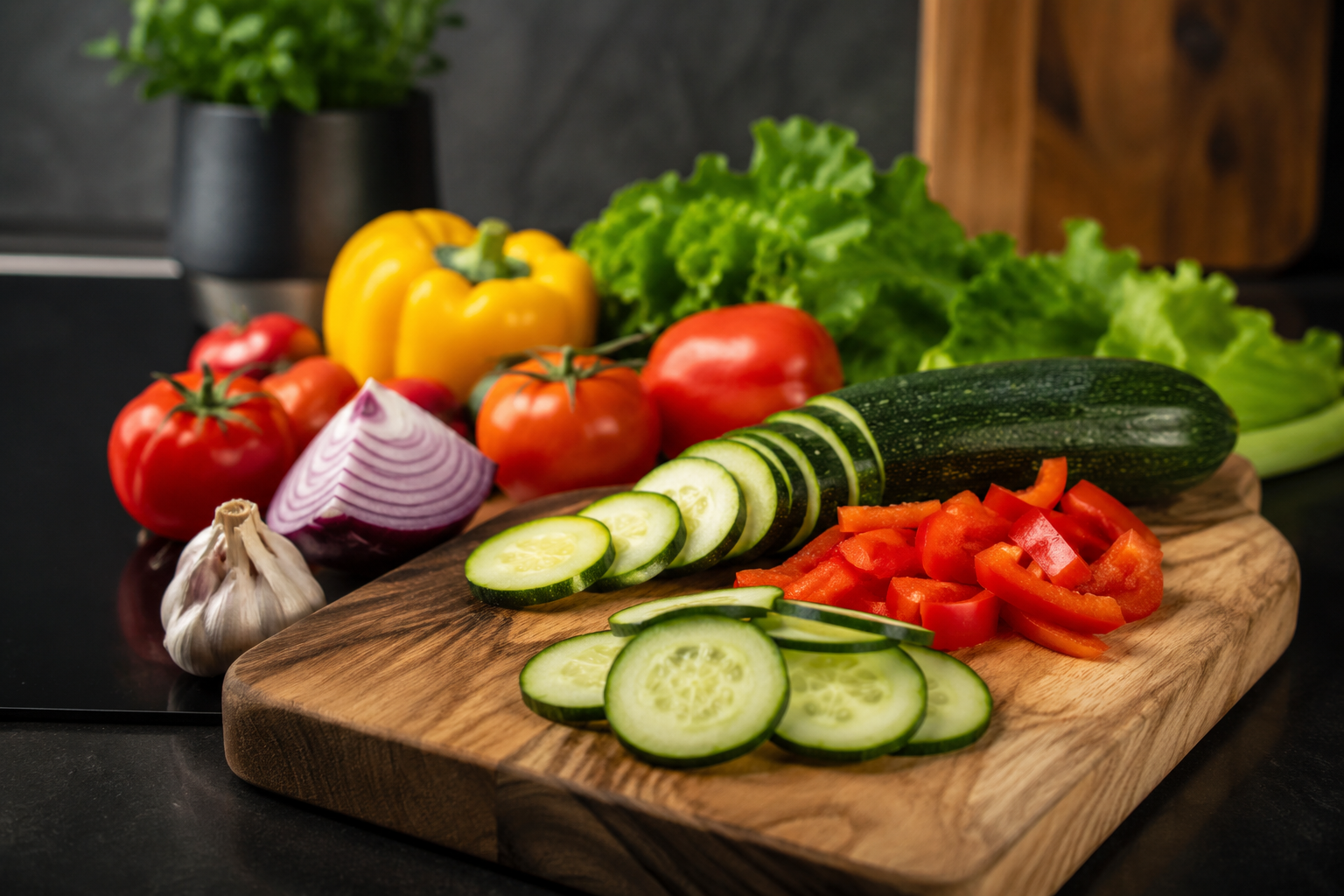
When you slice food like a potato or a cucumber, two main forces are at play. The first is capillarity due to humidity or starch, which forms a liquid bond between the steel of the blade and the cut flesh. The second is the suction effect, generated by the vacuum created when the blade passes through the food and separates the material.
The texture of the metal plays a major role in the adhesion force. To learn more about these physical characteristics, you can consult the definition of stainless steel on the Wikipedia page about stainless steel.
Comparison of constraints by ingredient
| Type of food | Main component | Adhesion level | Physical effect |
|---|---|---|---|
| Root vegetables | Starch and water | High | Suction effect and sticking by humidity |
| Soft cheeses | Fat | Very high | Adhesion by lipid film |
| Lean meats | Proteins and water | Moderate | Slight superficial suction |
Factors influencing adhesion
Several elements related to your tool's design and the nature of the ingredients affect how well food adheres to metal.
Blade type
A thick, wide blade offers a larger contact surface, increasing the area where food can adhere. Conversely, a very thin blade penetrates the material with less lateral pressure.
Blade surface
A mirror-polished steel or a smooth coating promotes the creation of a liquid seal with the food, while textured or hollow-ground blades create small air pockets that break this effect.
Food moisture
The more free water a vegetable contains, the larger the liquid film between the blade and the slice, which increases adhesion.
Cutting technique
A vertical downward motion presses the food against the blade, while a rocking or sliding motion allows the food to release during the cut.
Non-stick knives (hollow-ground)
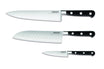
To counter the adhesion effect, cutlers have developed specific geometries, the most well-known of which are Santoku-style blades.
How it works
The hollows (or indentations) on the sides of the blade create a space where air can circulate. When the food is cut, air gets between the vegetable and the steel, preventing the suction effect from forming.
Is it really effective?
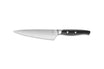
Yes, on starchy ingredients, hollow-ground blades significantly reduce sticking. These products are also benchmarks for preparing salads or vegetables. You can discover our selection in our Everyday collections, or opt for our reference model on the product page for the hollow-ground Santoku knife.
Good practices to prevent sticking
Certain handling techniques can limit adhesion without necessarily changing your utensil.
Cutting motion
- Use a gliding motion (back and forth) rather than a straight vertical cut.
- Slightly angle the blade so that the food slides along the metal.
To master these vegetable cutting techniques, we recommend reading our guide on which knife to use for cutting vegetables.
Regular cleaning
Removing accumulated starch from the blade between each series of cuts helps maintain a clean, non-sticky surface.
Type of food
For particularly greasy or very moist ingredients, a quick rinse of the blade under lukewarm water can help reduce adhesion.
| Handling error | Consequence on cutting | Recommended correction |
|---|---|---|
| Heavy vertical cut | Food adheres to the entire surface | Use a gliding motion |
| Fouled blade | Subsequent pieces stick | Clean the blade regularly |
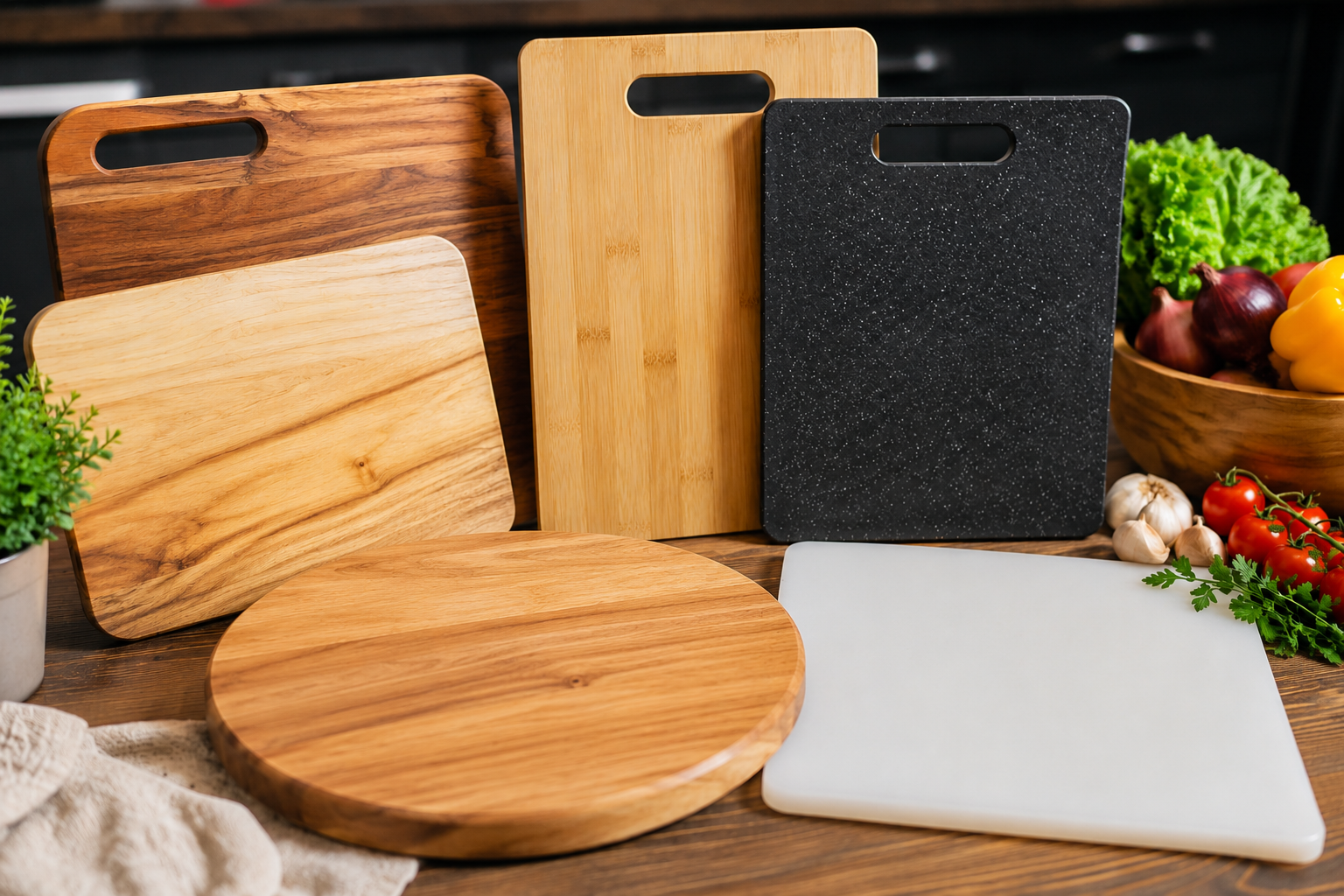
| Unsuitable surface | Increased ingredient adhesion | Work on a wooden cutting board |
Should you change your knife?
It's not mandatory to change all your utensils, but adding a hollow-ground blade to your equipment can save considerable time when preparing large quantities of vegetables.
Ideal equipment
For your daily preparations, our ranges combine robust materials and designs created for the comfort of the whole family. Discover our offers on the Everyday collections.
Frequently Asked Questions
Why do cucumber slices stick so much?
Cucumber is full of water, which creates high surface tension and a liquid film between the blade and the flesh. The suction effect holds the slice against the metal.
Do hollow-ground blades work on cheese?
On very fatty cheeses, adhesion is due to lipids. Hollow-ground blades help a little, but a knife with a thin or relieved blade will be more effective in preventing sticking.
How do you use the back of a blade to detach food?
You can use the back of the blade to gently detach food stuck to the side without risking damaging the cutting edge on the work surface.
Glossary
Cutting edge: The sharpened part of the blade that penetrates the food to ensure a clean cut.
Edge: The microscopic ridge of the knife that undergoes stress during cutting.
Micro-fractures: Small alterations that can weaken the blade structure on overly rigid materials.