
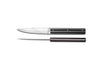
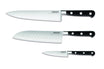
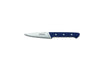
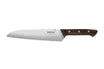

As a manufacturer and cutler since 1648, we design and test the products featured in this guide. While we are proud of our TB creations, our priority is to provide you with objective technical advice for choosing the right tool for your needs.
Cooking every day shouldn't be a chore, but a simple pleasure. Yet, many of us struggle to cut a tomato with a dull knife or painstakingly chop an onion with an unsuitable tool. Having "the right tool at the right time" radically changes the kitchen experience, even for a quick meal on a Tuesday night.
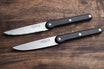
At TB-1648, we believe that professional quality should not be confined to the kitchens of top restaurants. That's why we designed our everyday knife range: robust tools, designed for intuitive handling and exceptional durability. Whether you prefer an all-stainless steel design or the warmth of wood, discover how to build your ideal kit without excess.
The essentials for daily equipment
- The winning trio: A paring knife, a Chef's knife (or Santoku), and a bread knife are sufficient for 90% of tasks.
- Handle choice: Opt for POM or ABS for easy washing, and wood for comfort and aesthetics.
- Certified origin: Choose French manufacturing (Thiers) guaranteeing quality steel and secure assembly.
- Ergonomics: A knife used daily must be light and balanced to avoid wrist fatigue.
What are the 3 essential knives to have in your kitchen?
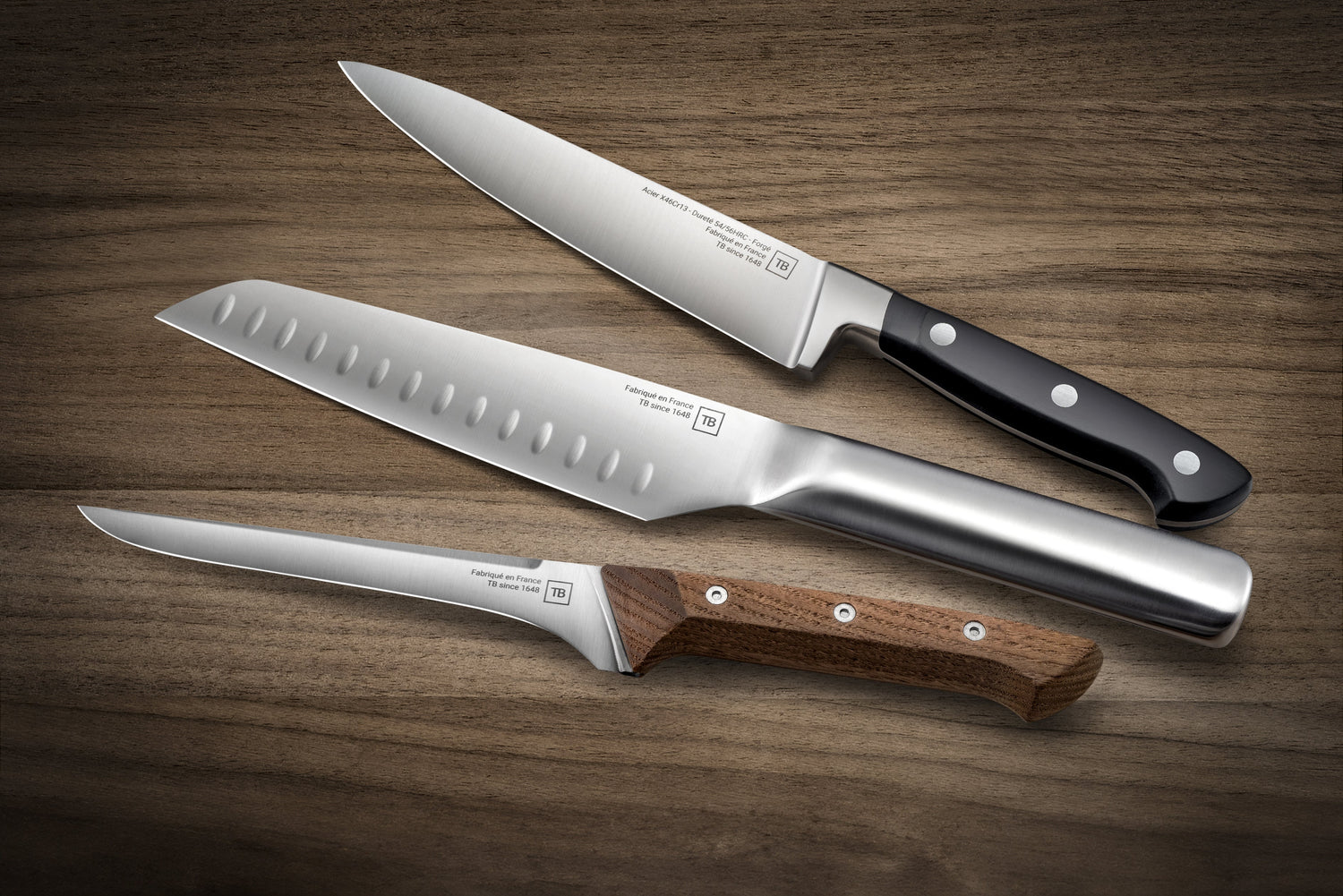
There's no need to accumulate fifteen different blades if you cook simple, family meals. For maximum efficiency without cluttering your drawers, focus on these three essentials available in our Everyday collection.
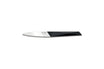
1. The paring knife: an extension of the hand
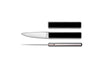
This is the small all-purpose knife. With its short (usually 8 to 10 cm) and rigid blade, it's perfect for peeling, turning vegetables, hulling strawberries, or mincing garlic. It is the ultimate precision tool.
2. The Chef's knife or Santoku: for cutting
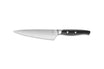
This is the "big" knife in the kitchen. The Chef's knife, with its wide and curved blade, allows for a rocking motion for chopping. The Santoku, of Japanese inspiration, has a straighter blade ideal for slicing vegetables and cutting meat. The choice between the two is a matter of personal preference, but one of them is essential for cutting on a board.
3. The serrated (or bread) knife
Often forgotten, but irreplaceable for anything with a hard crust or tough skin. It slices bread without crushing it, but is also incredibly effective on ripe tomatoes or crispy roasts.
What handle material should you choose for intensive use?
The choice of handle is not just aesthetic; it also determines the maintenance of your knives. If you are looking for durable kitchen knives, here is a comparison to guide you.
| Material | Advantages | Maintenance | Recommended TB Collection |
|---|---|---|---|
| POM / ABS (Synthetic) | Hygienic, lightweight, very shock-resistant. | Dishwasher safe. | Georges or Absolu range |
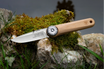
| Wood (Beech, Olive) | Warm touch, authentic aesthetic, non-slip. | Hand wash essential (immediate drying). | Brigade Bois range |
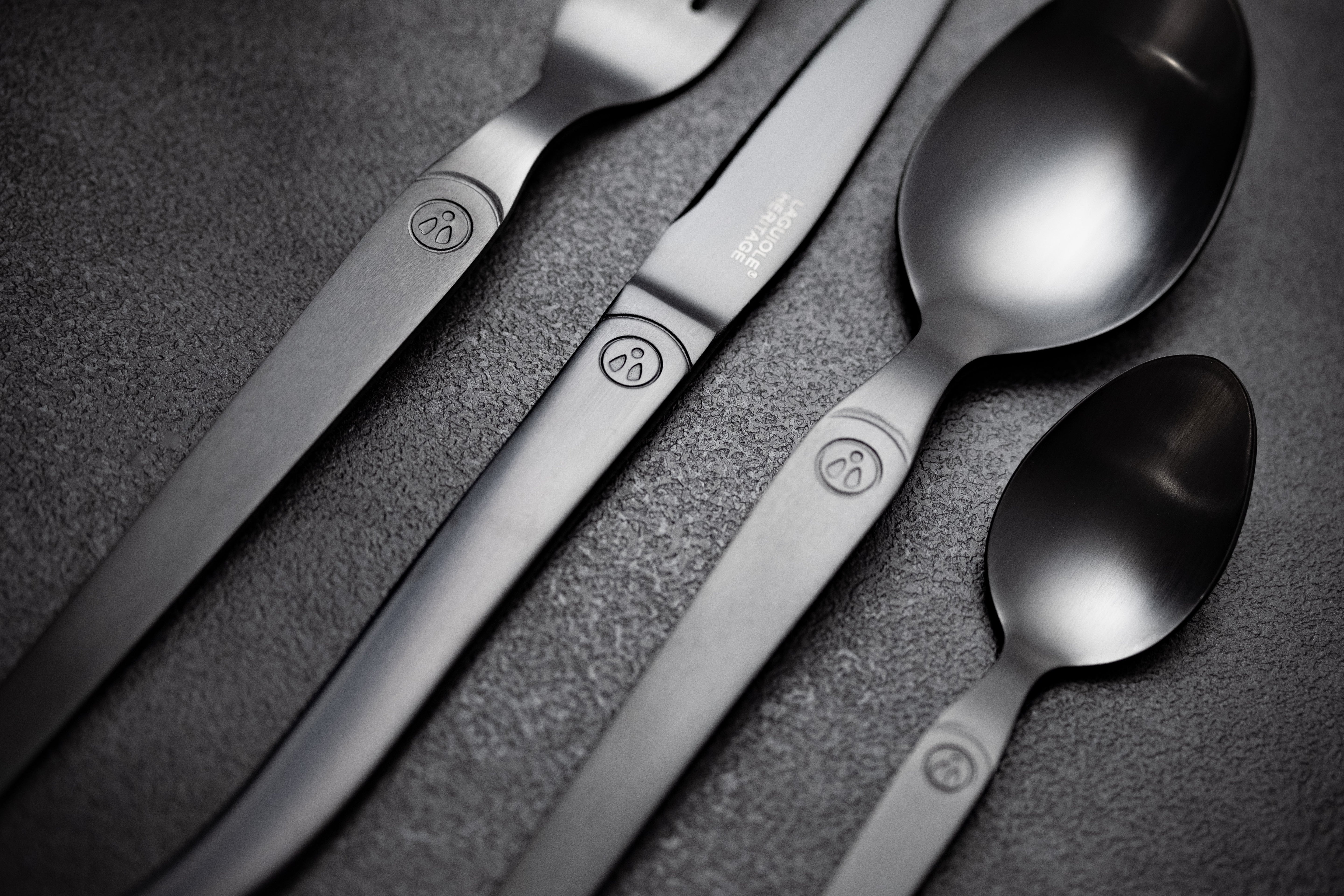
| Stainless Steel (Monobloc) | Modern design, indestructible, perfect hygiene. | Dishwasher safe. | Métalis range |
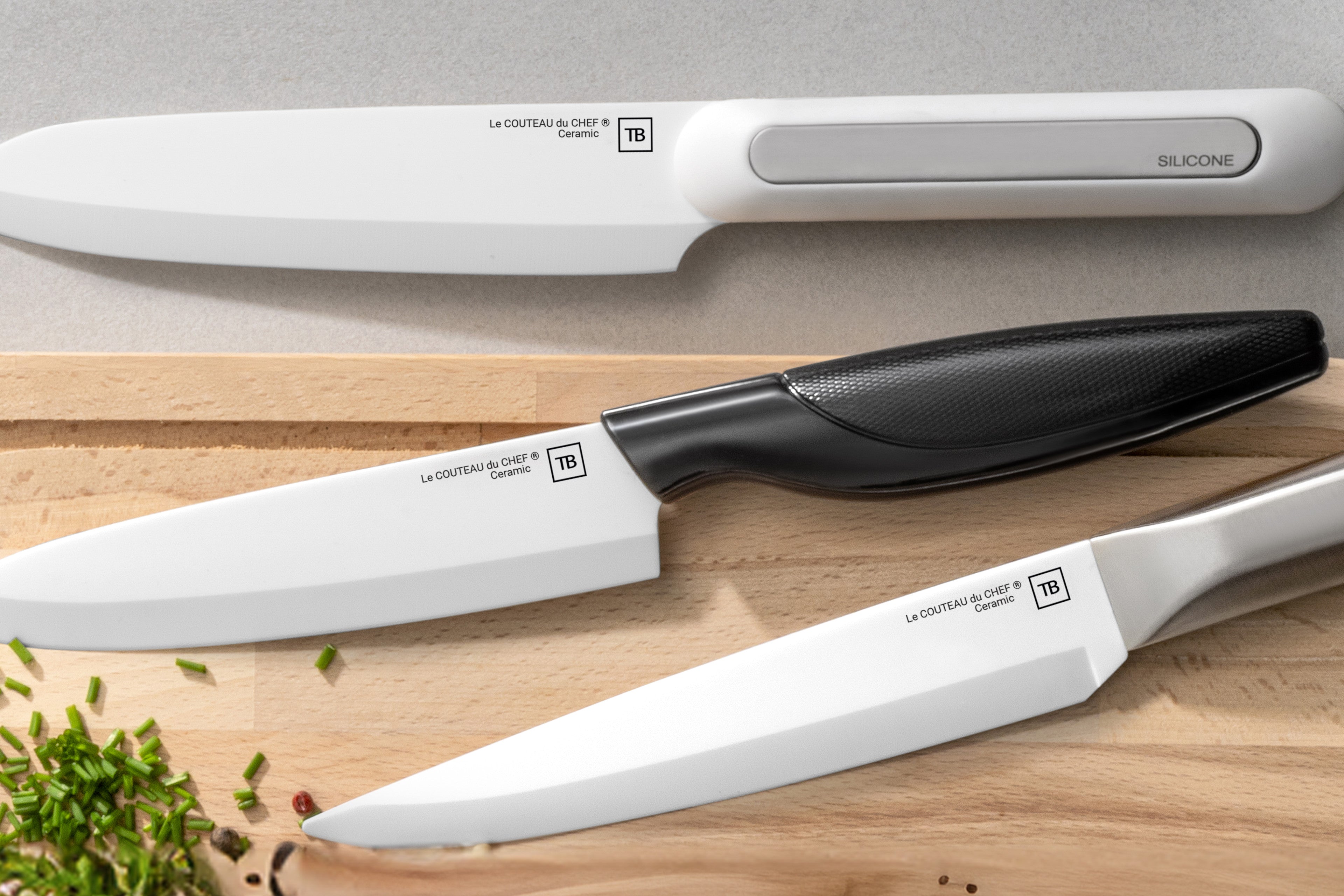
| Silicone | Exceptional grip (soft touch), vibrant colors. | Dishwasher safe. | Silicone range |
Why choose Thiers expertise for your everyday tools?
One might think that any knife is sufficient for cutting carrots in the evening. This is a mistake. A low-quality knife quickly dulls, forcing you to exert more force, which increases the risk of slipping and cutting yourself.
By choosing TB-1648 knives, manufactured in Thiers, you benefit from steel quality designed to last. Our blades undergo precise heat treatment that gives them hardness and flexibility. In addition, our handles are assembled (often by direct injection or riveting) to leave no gaps where food could get lodged. This ensures a hygienic and safe tool for the whole family.
Frequently asked questions about everyday knives
How often should you sharpen your kitchen knives?
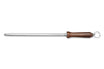
For daily use, a quick pass with a sharpening steel once a week helps to realign the blade's edge and maintain a "razor-sharp" edge. If you wait until the knife no longer cuts at all, sharpening will be longer and more difficult.
Can kitchen knives be put in the dishwasher?
It depends on the handle material. Knives with wooden handles must be hand-washed. Models with POM, ABS, or all-stainless steel handles (like our Métalis or Georges ranges) are dishwasher safe, but we recommend placing them blade down and avoiding contact with other metal cutlery to prevent damage.
What is the difference between a Chef's knife and a Santoku?
The Chef's knife has a pointed and curved blade that allows for a rocking motion. The Santoku has a straighter blade, often with dimples to prevent vegetables from sticking, and excels at vertical cutting (slicing thin). Both are very versatile.
Small technical glossary
- POM (Polyoxymethylene)
- A very resistant technical polymer used for professional knife handles. It does not deform and resists high temperatures.
- Santoku
- Japanese term meaning "three virtues" (slicing, chopping, mincing). It is the Asian all-purpose knife that has become a standard in our kitchens.
- Cutting edge
- The thinnest and sharpest part of the blade. This is the part that penetrates food and is maintained with a sharpening steel.
Want to rediscover the pleasure of cutting?
View the entire TB-1648 Everyday collection