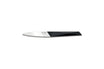

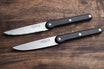

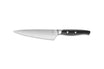

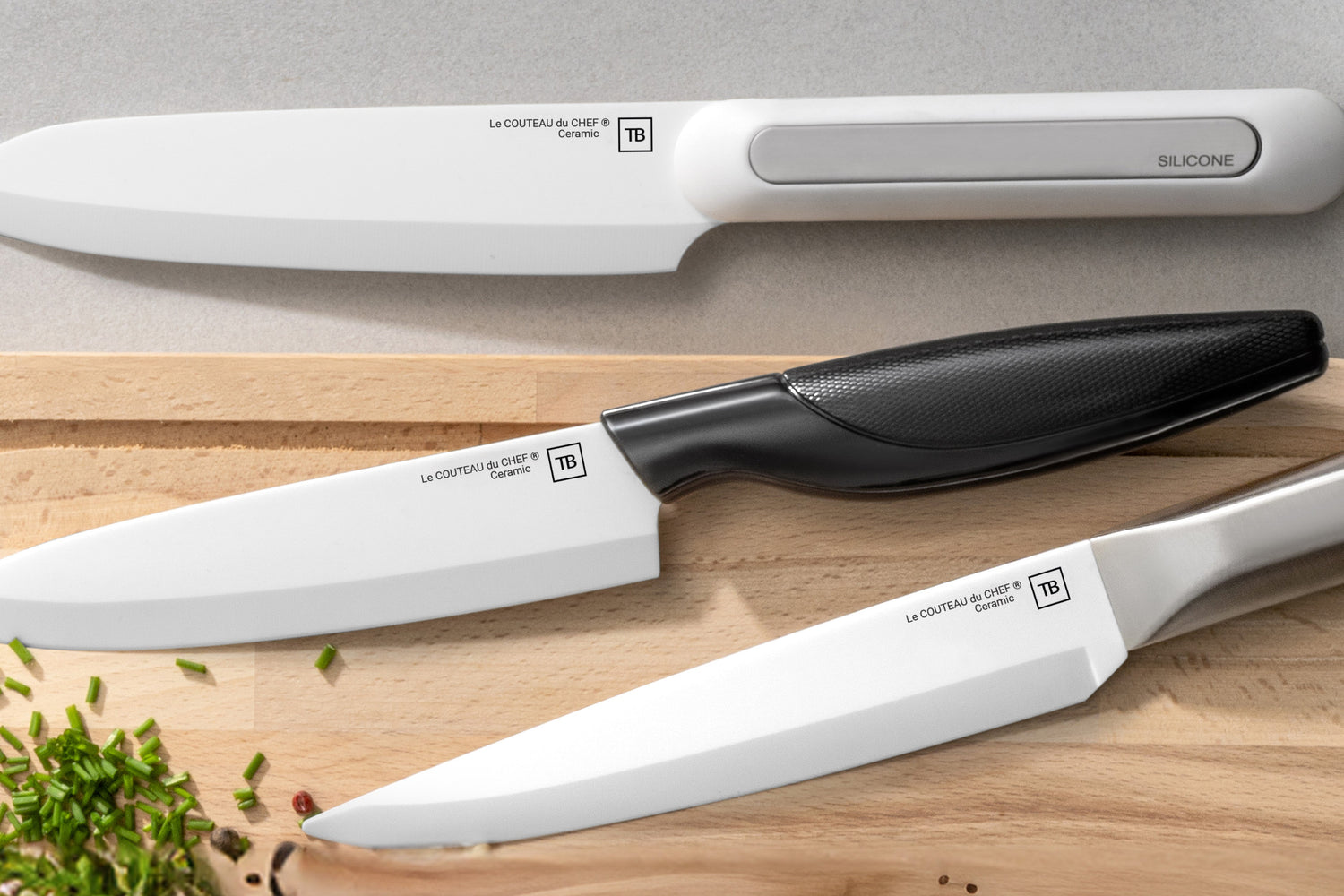
You've probably already heard of these white or black blades, renowned for their razor-sharp edge and surprising lightness. The ceramic knife was long considered a gadget before establishing itself as a true technical tool in modern kitchens. But be warned, it's not a magic knife that does everything!
At TB-1648, while we are guardians of the Thiers cutlery tradition, we are also open to innovation. That's why we have developed a complete range of ceramic knives . Designed according to our rigorous specifications, they offer a unique cutting experience, a perfect complement to your classic steel knives. Are they right for you? Let's find out.
The essentials about ceramic knives
- A long-lasting cutting edge: The hardness of zirconium oxide allows an effective cutting edge to last much longer than standard steel.
- Perfect hygiene: As an inert material, ceramic never rusts, does not transfer any taste and does not stain.
- Precision before strength: Ideal for finely slicing fruits, vegetables and tender meats, but unsuitable for bones or frozen foods.
- Comfort: Ultra-lightweight, these knives reduce wrist fatigue during long cutting sessions.
Why choose a ceramic knife rather than a steel one?
Ceramic isn't meant to replace your trusty stainless steel chef's knife, but rather to excel where steel sometimes falls short. The main advantage of ceramic (zirconium oxide) is its extreme hardness , approaching that of diamond.
In practical terms, this means two things for you in the kitchen:
- A "laser" cut: The blade glides through a ripe tomato without crushing it, or slices a fish fillet without tearing it. It is the ultimate precision tool.
- Complete neutrality: Have you ever noticed a metallic taste when cutting an apple with an old knife? With ceramic, that's impossible. It's chemically neutral and 100% rustproof.
What precautions should be taken to avoid breakage during use?
This is the downside: extreme hardness means rigidity. Unlike steel, which can bend slightly under stress, ceramic does not bend: it breaks.
To keep your TB-1648 ceramic knives intact for years, a few golden rules must be followed:
- No twisting: Never use the blade to pry (open an oyster, for example) or to crush a garlic clove flat.
- No hard foods: Avoid bones, cartilage, avocado pits, or frozen foods.
- Beware of impacts: A fall on tile can be fatal. Store them carefully in a block or with a blade guard, never loose in a drawer.
Which TB-1648 range should you choose based on your needs?
Although the manufacture of this specific technology is not carried out in France, TB-1648 applies its expertise as a cutler to control each stage of production and guarantee you a reliable and safe tool.
The Silicone collection: comfort above all
Recognizable by their colored or black "soft touch" handles, these knives offer a reassuringly secure, non-slip grip. This is the ideal range for equipping yourself with fun and efficient everyday tools. Available as a paring knife, Santoku knife, or chef's knife.
The Métalis collection: contemporary design
For those who love the elegance of stainless steel but want the performance of ceramic. These models combine a pure white blade with a metal-look handle for a modern visual appeal that integrates perfectly into designer kitchens.
The Top Chef edition
Praised by professionals for their value for money, these models allow you to cook like a contestant on the show, with formidable cutting precision on vegetables.
Frequently asked questions about ceramic knives
Is it true that you cannot sharpen a ceramic knife?
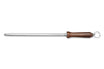
That's a common misconception! Although the edge lasts a very long time, it will eventually wear down. You can't use a regular steel honing rod (which would be ineffective), but there are specific diamond sharpeners, available from TB-1648, to restore the edge to your ceramic blades.
Can they be put in the dishwasher?
Technically, ceramic and ABS or silicone handles are perfectly dishwasher safe. However, we recommend hand washing for one simple reason: to avoid impacts with other cutlery during the wash cycle, which could chip the blade.
What is the difference between a white blade and a black blade?
Black ceramic often undergoes additional treatment (the addition of carbon and a longer firing time) which makes it slightly harder and more resistant than standard white ceramic. It represents the high end of ceramics.
The glossary of ceramics
- Zirconium Oxide
- High-tech mineral powder used to manufacture the blades. Once sintered (fired at very high temperatures), it becomes almost as hard as diamond.
- Soft Touch
- The handle finish (often made of silicone or rubber) provides a velvety feel and a non-slip grip, even with wet hands.
- Inert
- This describes a material that does not react chemically with its environment. This is why ceramic does not impart any taste to food and does not oxidize.
Want to test the absolute sharpness?
View the entire TB-1648 Ceramics collection