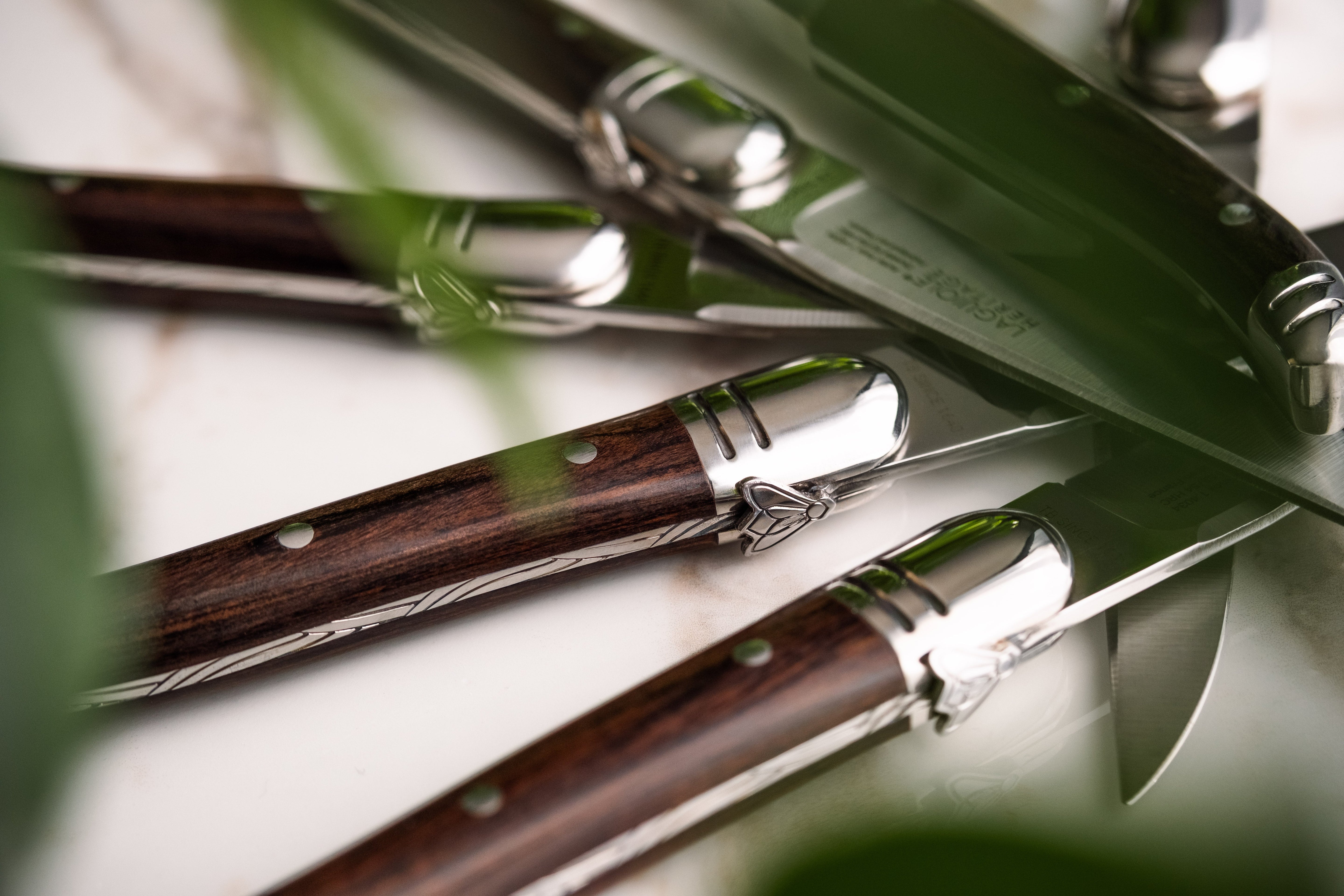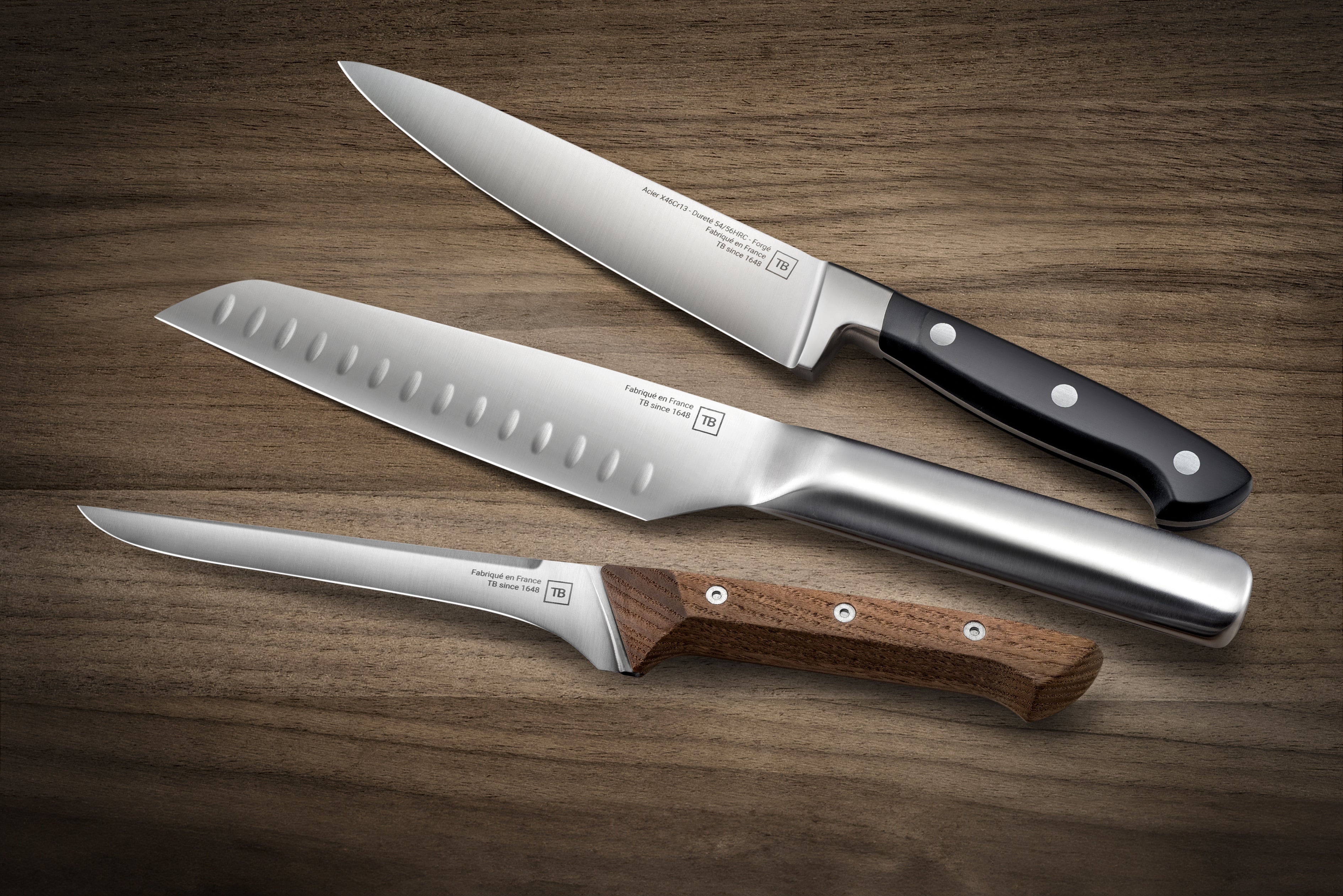



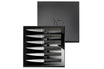
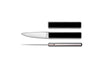
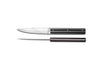

Buying cutlery is a long-term investment for your home. Durability relies on the chrome and nickel content of the alloy, while elegance stems from a precise balance of weight, ergonomics, and the design crafted by our French creative teams.
How to choose durable and elegant cutlery?
The table is the stage of daily life, a place of sharing where every detail counts. Choosing your cutlery should not be limited to an ephemeral aesthetic consideration. At TB-1648, we approach the creation of our ranges, such as the Intuition model, with a rigorous vision of use. Durable cutlery must withstand thousands of washing cycles while maintaining a pleasant feel and an effective cutting edge for knives. Elegance, meanwhile, lies in the simplicity of the lines and the quality of the finish, whether brushed or polished.
What makes cutlery durable?
The longevity of a fork or spoon depends on three pillars: the composition of the steel, the thickness of the piece, and the care taken in polishing. According to the definitions of the Wikipedia encyclopedia on stainless steel, the presence of chrome is essential to create the passive layer that protects the metal from oxidation. But beyond chemistry, the mechanical structure of the cutlery plays a predominant role. A piece that is too thin will tend to bend under pressure, especially when eating meat or dense dishes.
At TB-1648, our design teams in France work on mass distribution. A well-balanced piece of cutlery reduces hand fatigue and ensures an immediate perception of quality. Manufacturing, entrusted to rigorously selected industrial partners, follows strict specifications to ensure that each piece meets the robustness expectations of modern households.
| Technical criterion | Impact on durability | TB-1648 Standard |
|---|---|---|
| Nickel content | Shine and resistance to food acids. | 10% (18/10 Stainless Steel) |
| Handle thickness | Rigidity and resistance to deformation. | 3 mm to 4 mm depending on model |
| Polishing type | Surface protection and aesthetics. | High-density mirror polish |
| Tooth finish | Comfort in the mouth and ease of cleaning. | Precision deburring |
Why is 18/10 stainless steel the benchmark?
18/10 stainless steel is often cited as the ultimate alloy for tableware. These numbers correspond to the percentage of chrome (18%) and nickel (10%) respectively. Chrome ensures hardness and rust resistance, while nickel provides total chemical neutrality upon contact with food and an incomparable silvery shine. This composition complies with the requirements of the ISO organization for food contact materials.
Other alloys exist, such as 18/0 stainless steel, which does not contain nickel. While the latter is more magnetic (practical for certain sorting systems in restaurants), it is also more susceptible to tarnishing and pitting corrosion if it remains wet. For daily household use, 18/10 remains the sensible choice for anyone wishing to keep their cutlery set for several decades without loss of shine.
Which cutlery set to choose: 16 or 24 pieces?
The choice of your cutlery set format directly depends on the size of your household and your entertaining habits. The 16-piece format is ideal for a first purchase or for a couple. It generally includes 4 table knives, 4 forks, 4 table spoons, and 4 teaspoons. It's a compact set that optimizes storage without sacrificing quality.
Conversely, the 24-piece cutlery set is the standard of French conviviality. Designed for 6 guests, it allows you to set a complete table without having to run a dishwasher between each course. It is also the most popular format for wedding registries or housewarming gifts. At TB-1648, we offer these two configurations on our flagship models to adapt to your lifestyle.
- 16-piece cutlery set: Perfect for small spaces and daily use for two.
- 24-piece cutlery set: Essential for families and dinners with friends.
- Individual cutlery pieces: Flexible option to complete a collection or replace a lost piece.
Individual cutlery or complete set?
Buying individual pieces offers great freedom, allowing you to mix styles or build a custom service over time. However, acquiring a complete box guarantees perfect visual uniformity. Nothing is more elegant than a table where each guest has exactly the same cutlery model, creating a soothing visual harmony. The boxes also protect the pieces during storage before their first use.
Consulting a guide on the meaning of cutlery at the table can help you determine the pieces you truly need. If you entertain often, it is wise to invest in a complete set, even if you supplement it later with matching serving pieces.
What are the criteria for timeless design?
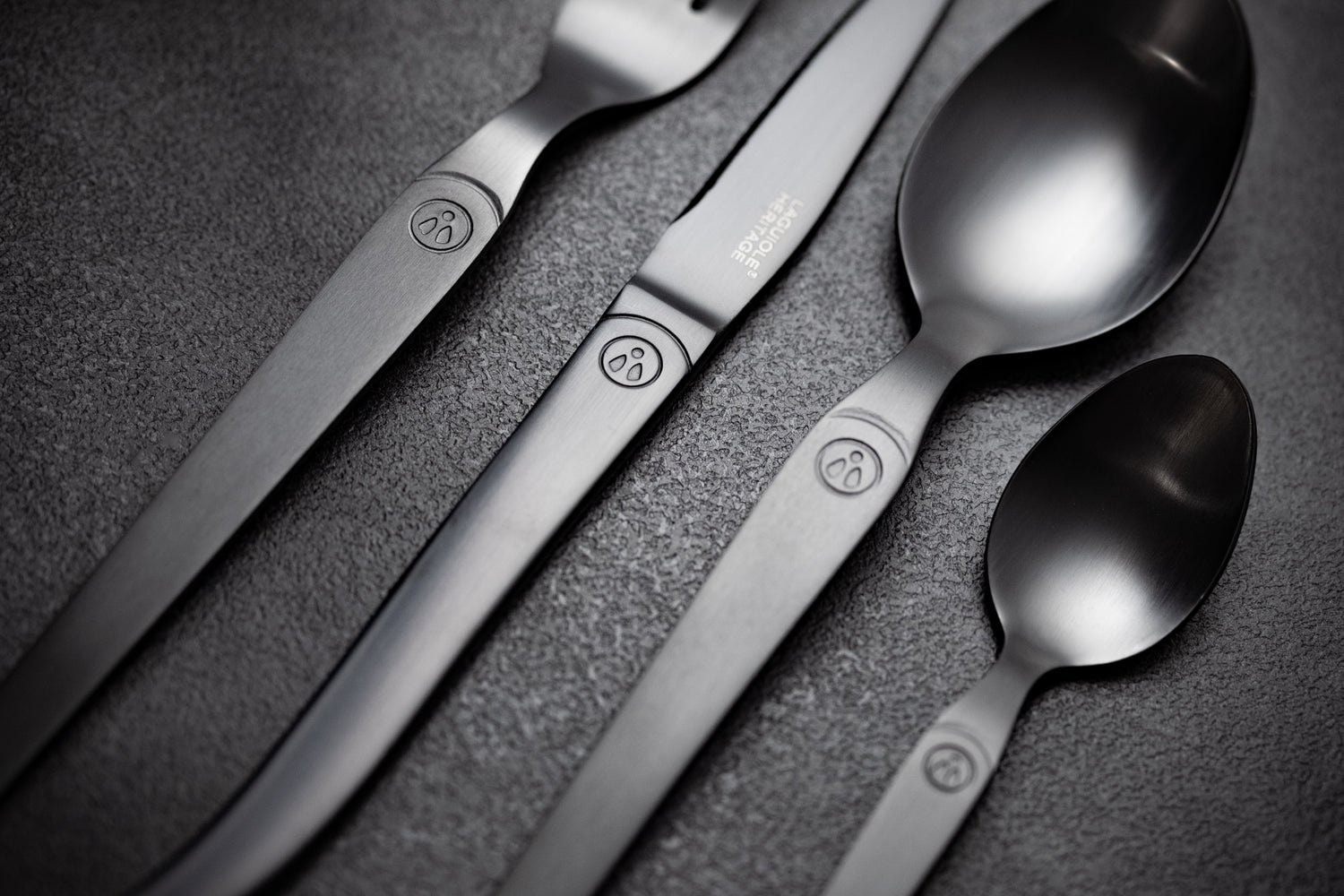
Timeless design is design that survives fleeting trends. At TB-1648, our designers favor fluid shapes that integrate equally well into a rustic interior or an ultra-modern apartment. The Intuition model is the perfect example: a curve designed to fit the palm of the hand, tapered fork tines, and a spoon with balanced capacity.
Ergonomics is inseparable from aesthetics. A beautiful piece of cutlery is one that you forget about when you use it, because it becomes a natural extension of your hand. The finish also plays a crucial role: the mirror polish reflects the light from your candles or pendants, while the brushed finish brings a more discreet industrial modern touch.
How to care for your cutlery so it lasts?
Even the best 18/10 stainless steel requires minimal care to last for years. While our cutlery is dishwasher safe, a few golden rules help prevent micro-scratches and contact oxidation stains. It is highly recommended to use moderate temperature washing cycles and avoid mixing stainless steel cutlery with aluminum or silver utensils in the same basket, to prevent electrolysis phenomena.
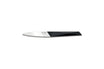
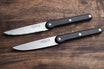
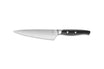
The choice of blades is also a maintenance topic. To understand the specificities of table knives, you can read our analysis on smooth blades vs. micro-serrated blades. A well-maintained blade not only preserves the plate, but also the pleasure of cutting.
| Maintenance action | Recommended frequency | Expected benefit |
|---|---|---|
| Rinse after use | After each meal | Prevents attack from food acids (vinegar, salt). |
| Wipe with a soft cloth | When removing from dishwasher | Removes limescale traces and restores shine. |
| Spacing in the basket | With each wash | Prevents shocks and scratches between pieces. |
| Use mild products | Daily | Preserves the natural protective layer of stainless steel. |
Frequently Asked Questions
What is the difference between 18/10 and 18/0 stainless steel?
18/10 stainless steel contains 10% nickel, which gives it a lasting shine and superior corrosion resistance compared to 18/0. 18/10 is considered the high-end of table cutlery for prolonged domestic use.
Are TB-1648 cutlery dishwasher safe?
Yes, all our 18/10 stainless steel cutlery is designed to withstand regular dishwasher cleaning. For optimal results, we recommend wiping the cutlery dry immediately after the cycle to prevent limescale deposits.
Where is TB-1648 cutlery manufactured?
Our cutlery collections are entirely designed in France by our design offices. Manufacturing is then carried out by industrial partners selected for their technical expertise and their adherence to our high quality standards.