

As a knife manufacturer and cutler since 1648, we design and test the products featured in this guide. While we are proud of our TB creations, our priority is to provide you with objective technical advice to help you choose the right tool for your needs.
Choosing a quality kitchen knife is essential for any cooking enthusiast or professional. A good knife ensures precise cuts, increased durability, and optimal comfort of use. But with the multitude of models available on the market, how can you distinguish a high-end knife from a low-end one? This article guides you through the essential criteria to consider for making an informed choice.
1. Blade material
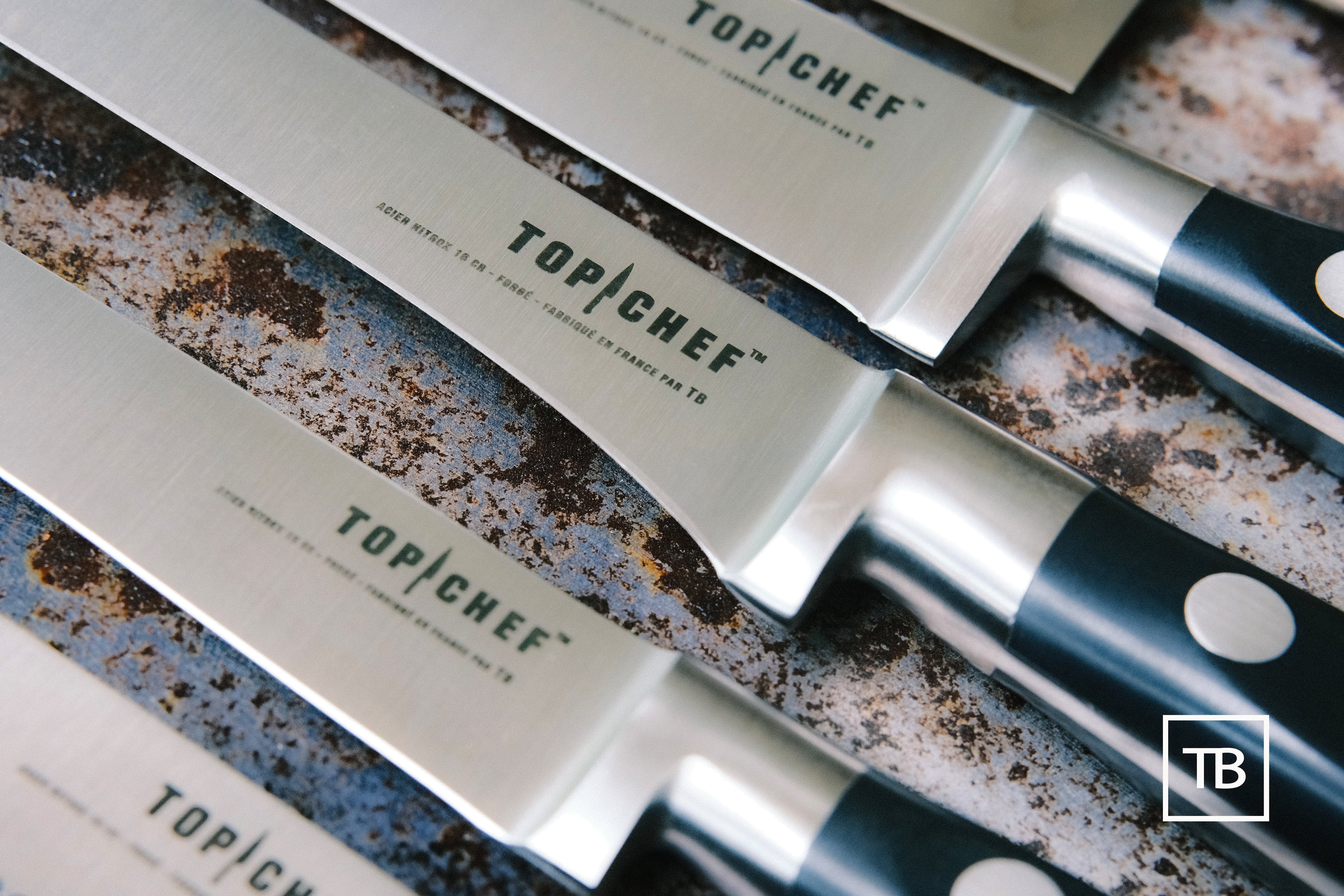
The quality of the steel used for the blade is paramount. High-quality steel guarantees a durable edge and corrosion resistance. For example, Nitrox steel, rich in chromium (16%) and carbon (0.35%), offers excellent corrosion resistance and optimal hardness. This is the case for the 18 cm Santoku Brigade Forgé Premium Knife, made in France, which uses this steel to ensure precise cuts and remarkable longevity.
2. Manufacturing and design
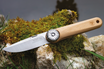
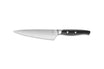
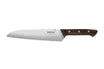
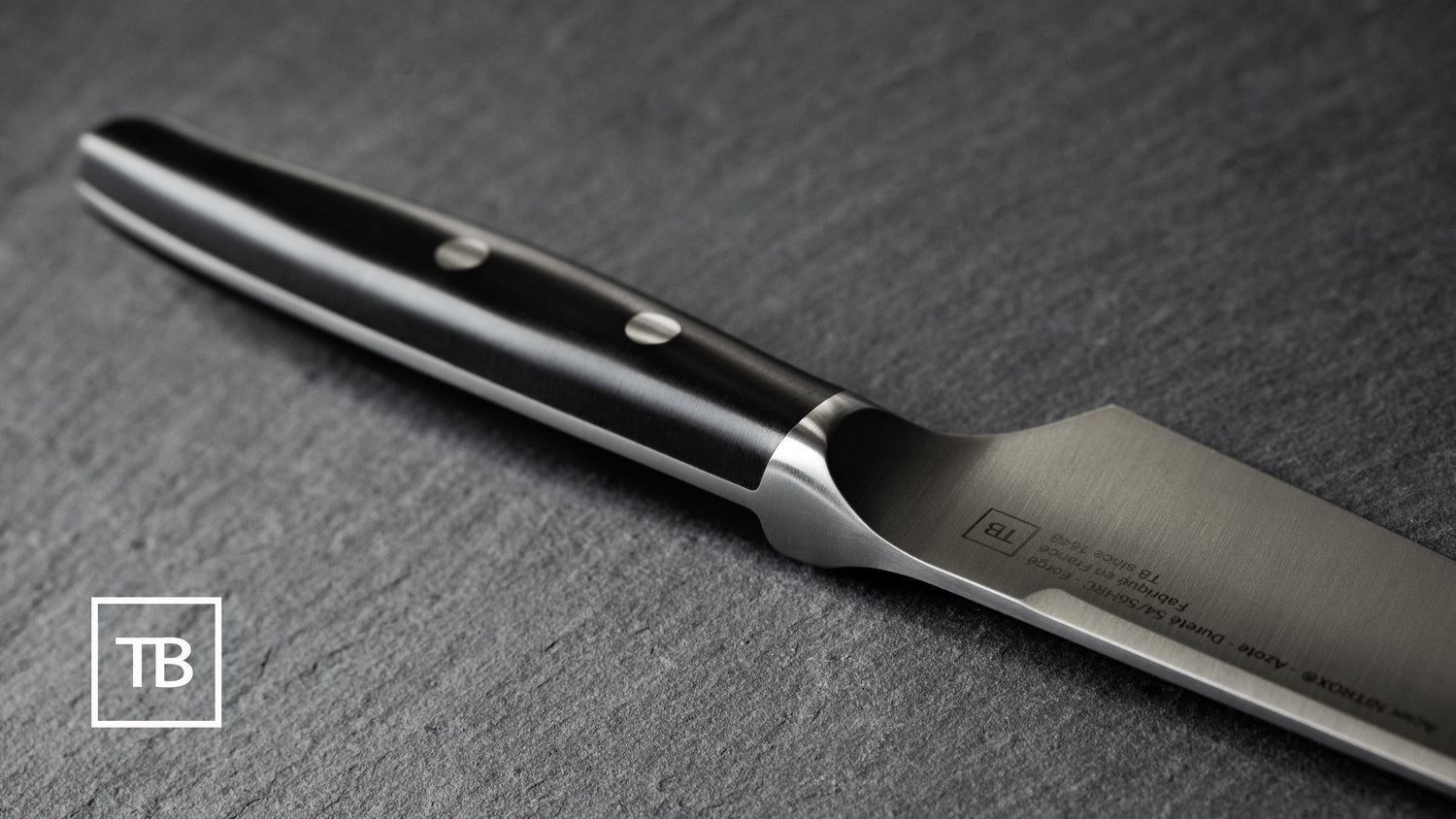
The manufacturing method greatly influences the quality of the knife. Forged knives, where the blade is shaped from a single piece of steel, offer superior robustness and balance. Furthermore, a full tang blade, where the metal extends the entire length of the handle, ensures increased strength and durability. The Utility Knife - Georges Collection - Wooden Handle perfectly illustrates this design with its full tang forged blade and ergonomic walnut handle, offering a comfortable and secure grip.
3. Edge and sharpening angle
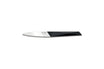
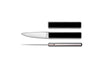
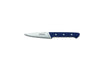
A good knife must have a precise and durable edge. The sharpening angle plays a crucial role in cutting performance. An angle between 15° and 20° per side is generally ideal for a clean cut. For example, the 10 cm Utility Knife - Maestro has a sharpening angle of 19° per side, offering a perfect balance between precision and edge durability.
4. The handle
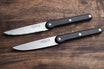
The material and design of the handle influence comfort and safety during use. An ergonomic handle, whether made of wood, polymer, or composite materials, must offer a firm and pleasant grip. The Santoku Knife - Louis Collection - Made in France features a noble wooden handle, combining aesthetics and ergonomics for prolonged use without fatigue.
5. Balance and weight
A well-balanced knife facilitates cutting and reduces fatigue during prolonged use. The balance is generally located at the bolster, between the blade and the handle. An appropriate weight, neither too light nor too heavy, ensures optimal control during cutting. The 19 cm Furtif Meat Knife is designed with particular attention to balance, offering a fluid and precise cutting experience.
6. Versatility
A quality knife must be suitable for various culinary tasks. For example, the Santoku knife is renowned for its versatility, ideal for slicing, mincing, and chopping. The 18 cm Santoku Brigade Forgé Premium Knife is particularly appreciated for its dimpled blade, which prevents food from sticking, thus facilitating repetitive cuts.
7. Maintenance and durability
A good knife should retain its edge and resist corrosion with minimal maintenance. Certain steels, such as Nitrox, offer increased resistance to rust. In addition, quality handle materials, such as POM (polyoxymethylene) or treated wood, extend the life of the knife. The 10 cm Utility Knife - Maestro combines a Nitrox steel blade and a POM handle, ensuring exceptional durability and easy maintenance.
8. Aesthetics and finish
Although appearance is not the primary criterion, a well-finished knife often reflects careful craftsmanship. Details such as a polished blade, a well-fitted handle, and uniform rivets are signs of quality. The Utility Knife - Georges Collection - Wooden Handle stands out for its elegant design and impeccable finish, testifying to remarkable artisanal know-how.
Investing in a quality kitchen knife is essential to enhance your culinary experience. By considering criteria such as blade material, manufacturing, edge, handle, balance, versatility, maintenance, and aesthetics, you will be able to distinguish a high-end knife from a low-end one. The products mentioned, such as the 18 cm Santoku Brigade Forgé Premium Knife, the 10 cm Utility Knife - Maestro, the Utility Knife - Georges Collection - Wooden Handle, the Santoku Knife - Louis Collection - Made in France, and the 19 cm Furtif Meat Knife, perfectly illustrate these quality criteria and are judicious choices for any cooking enthusiast.