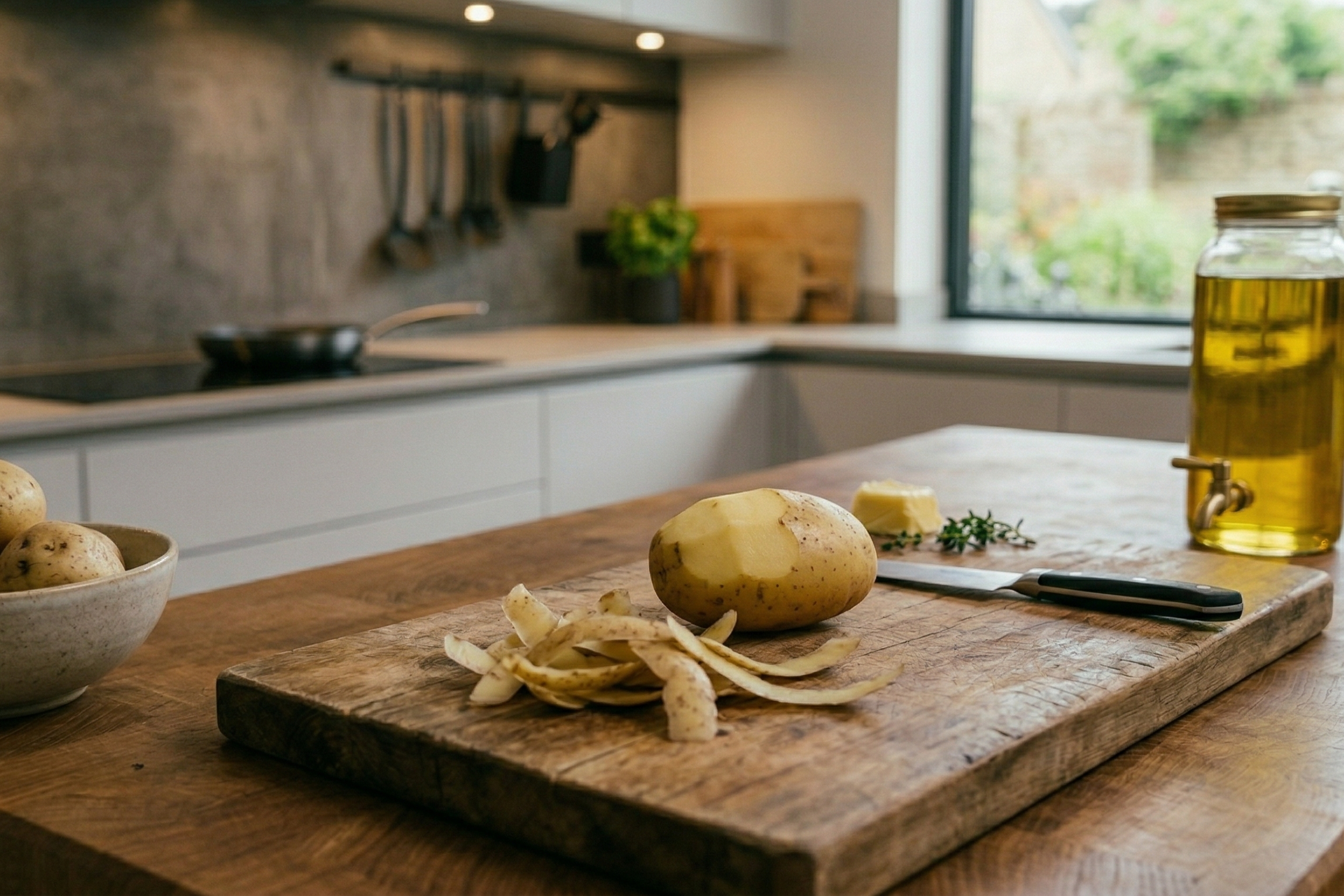


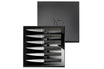
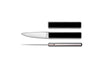
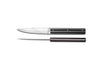
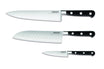

Stocking your kitchen with knives often raises a fundamental question: does quantity outweigh quality? At our TB-1648 factory in Thiers, we see a continuous stream of enthusiasts searching for the perfect equipment. It's tempting to succumb to the fifteen-piece knife blocks sold in supermarkets, but the reality of the countertop is quite different. A professional chef performs 90% of their tasks with just three specific blades. This guide debunks common misconceptions to help you invest in tools that will last decades, rather than cluttering your drawers with unusable duplicates.
The Essentials at a Glance
- Effective minimalism: Three knives are enough to cover almost all daily cutting tasks.
- Sustainable investment: A high-performance steel blade is better than a collection of flimsy stainless steel.
- Adaptability: Your selection should evolve with your technique and your preferred recipes.
Why Does the Myth of Large Knife Blocks Persist?
Mass marketing has imposed the image of a wooden block sitting on the countertop, bristling with disparate handles. Yet, most of these blades remain new for years. These sets often prioritize volume over the thermal quality of the steel or the balance of the handle. At TB-1648, we advocate a rational approach. A knife that doesn't cut is a danger; ten mediocre knives are a burden. Owning fewer tools also means learning to maintain them better and master their specific movements.
What are the Three Essential Knives for Every Cook?
If you had to clear out your kitchen and keep only the bare essentials, this "golden trio" would remain on your cutting board. They represent the perfect balance of precision, strength, and versatility.
Why is the Paring Knife the King of Precision?
With its short blade, typically between 7 and 11 cm, the paring knife is a direct extension of your hand. It is irreplaceable for meticulous tasks: peeling fruit, hulling strawberries, deveining shrimp, or sculpting small vegetables. Its maneuverability allows for airborne movements, without necessarily using a cutting board.
Why is the Chef's Knife the Centerpiece?
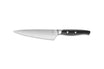
This is the all-purpose tool. Its broad, curved blade, measuring between 15 and 25 cm, allows for a fluid rocking motion on the board. Whether for chopping herbs, dicing onions, or slicing a piece of meat, its robustness handles the effort. At TB-1648, we pay particular attention to the balance between the blade and the handle to prevent fatigue during long preparations.
What is the Place of the Utility Knife in Your Drawer?
Often called a "kitchen knife," it bridges the gap between the paring knife and the chef's knife. Its 11 to 15 cm blade is ideal for intermediate tasks: cutting cheese, preparing a sandwich, or slicing medium-sized vegetables like tomatoes. It's the knife you spontaneously reach for when you're feeling a little hungry.
| Model | Primary Use | Blade Length | Type of Movement |
|---|---|---|---|
| Paring | Precision, peeling | 9 cm | Meticulous / In-hand |
| Chef (Gyuto) | Chopping, mincing | 20 cm | Rocking on board |
| Utility | Daily versatility | 13 cm | Direct cutting |
How to Adapt Your Kit According to Your Profile?
Beyond the basic trio, your eating habits dictate complementary needs. A sushi enthusiast will not have the same requirements as a grilling fan.
What Equipment for a Beginner Cook?
Don't spread yourself thin. Focus your budget on an excellent chef's knife. It will give you the joy of cooking. Add a paring knife for fruits, and you're set for 95% of classic recipes.
What Additions Should an Experienced Amateur Prioritize?
As soon as you cook more than three times a week, two specialists become useful:
- The bread knife: Its serrated blade is essential for not crushing the crumb of artisanal breads or slicing roasts with a crust.
- The Santoku: For those who prefer Japanese vertical cutting and finely diced vegetables.
What Specific Blades for the Enthusiast?
Here, we enter the realm of expertise. The enthusiast will look for a slicer for perfectly thin slices of ham or roast, or a boning knife if they work with their own poultry carcasses. Every action has its dedicated tool.
Should You Prioritize Quantity or Technicality?
The answer from the TB-1648 factory is unequivocal: technicality always wins. A high-carbon steel knife or an alloy enriched with chromium/molybdenum will hold its edge much longer. Owning three exceptional knives ensures increased safety (a dull blade slips) and sensory pleasure with each stroke on the board. Rather than buying a complete kit, build your collection piece by piece, according to your real needs.
Frequently Asked Questions About Composing a Knife Set
Can you do everything with just one knife?
The chef's knife is the most versatile, but it will be too cumbersome to peel an apple and unsuitable for cutting bread without crushing it. The Chef + Paring duo is the absolute minimum.
What is the lifespan of a good kitchen knife?
A TB-1648 forged knife, regularly maintained with a sharpening stone and never put in the dishwasher, can be passed down through several generations.
Why avoid serrated knives for meat?
Serrated edges tear muscle fibers and cause the meat to lose its juices. A sharp, smooth blade ensures a clean cut that respects the product's structure.