


Moving into your first apartment is an exciting milestone, synonymous with freedom and new responsibilities. Among the many preparations, kitchen equipment takes center stage. And what's a kitchen without knives? Faced with a multitude of options, it's easy to feel lost or succumb to the temptation of low-end knife sets that seem economical at first glance. However, investing wisely in a few quality knives from the start can make all the difference, both for the pleasure of cooking and for the longevity of your equipment. This guide will help you make the right choices, understand the importance of a sharp edge, and discover how to care for your precious culinary allies, with suggestions for TB 1648 products suitable for discerning young budgets.
Why invest in quality knives from the start?
When setting up your first home, budgets are often tight. The temptation is strong to opt for very affordable knife sets, promising a multitude of pieces for a ridiculously low price. However, this approach is rarely the wisest in the long run. Here's why it's better to prioritize quality, even if it means starting with fewer pieces.
Sustainability and performance: a long-term investment
Poor-quality knives, often made with low-grade steel and flimsy handles, tend to dull quickly, rust, or even break. You'll then have to replace them frequently, which will ultimately cost you more. A quality knife, made with robust, well-tempered steel, will retain its edge longer and withstand daily wear and tear better. At TB, we pride ourselves on selecting high-performance steels, guaranteeing increased longevity for our blades, even in our most affordable ranges.
Kitchen safety: a reliable cutting edge to prevent accidents
A dull knife is a dangerous knife. A poor edge forces you to use more force when cutting, increasing the risk of slipping and injury. A quality, sharp knife cuts through food easily and precisely, offering better control and significantly reducing the risk of injury. Safety in your new kitchen should never be overlooked.
The joy of cooking: you can feel the difference in your hand
Cooking should be a pleasure, not a chore. Using the right, high-quality tools transforms the culinary experience. A good, well-balanced knife with a comfortable grip and an efficient edge makes meal preparation more enjoyable, faster, and more satisfying. You'll relish the precision of chopping vegetables, filleting fish with ease, or simply slicing bread without crushing it. It's a small, everyday luxury that makes a big difference.
Respect for food: clean cuts to preserve flavors
A sharp blade slices through food fibers cleanly, without tearing or crushing them. This helps preserve their texture, juices, and therefore their flavor. Whether you're preparing a simple fruit salad or a more elaborate dish, the quality of the cut has a direct impact on the final result on your plate.
Rather than buying a block of ten knives of which you'll only use two or three, and which will lose their effectiveness in a few months, it's wiser to invest in three to five essential, high-quality knives. These "must-haves" will serve you for many years and offer a much more rewarding culinary experience.
Essential knives for equipping your first kitchen
You don't need a professional chef's kit to cook well every day! To start, three basic knives are more than enough to cover most needs. You can always expand your collection later, as your cooking skills evolve. Here's the winning trio:
The chef's knife: the versatile cornerstone of your kitchen
If you could only choose one, this would be it. The chef's knife, also called a "slicing knife," is the most versatile knife. Its wide, rigid blade, generally 15 to 25 cm long (20 cm being a very common and recommended size for beginners), is slightly curved, allowing for a rocking motion ideal for chopping herbs, slicing vegetables, or cutting meat and fish. Its pointed tip allows for more precise work. It's the ultimate all-purpose tool.
How to choose one? Opt for a good quality stainless steel blade for easy maintenance and good corrosion resistance. The blade size should be proportional to the size of your hand and your comfort level. An ergonomic, non-slip handle is crucial for a good grip and safe use. The weight should be balanced: not too heavy to avoid fatigue, and not too light to ensure efficient cutting.
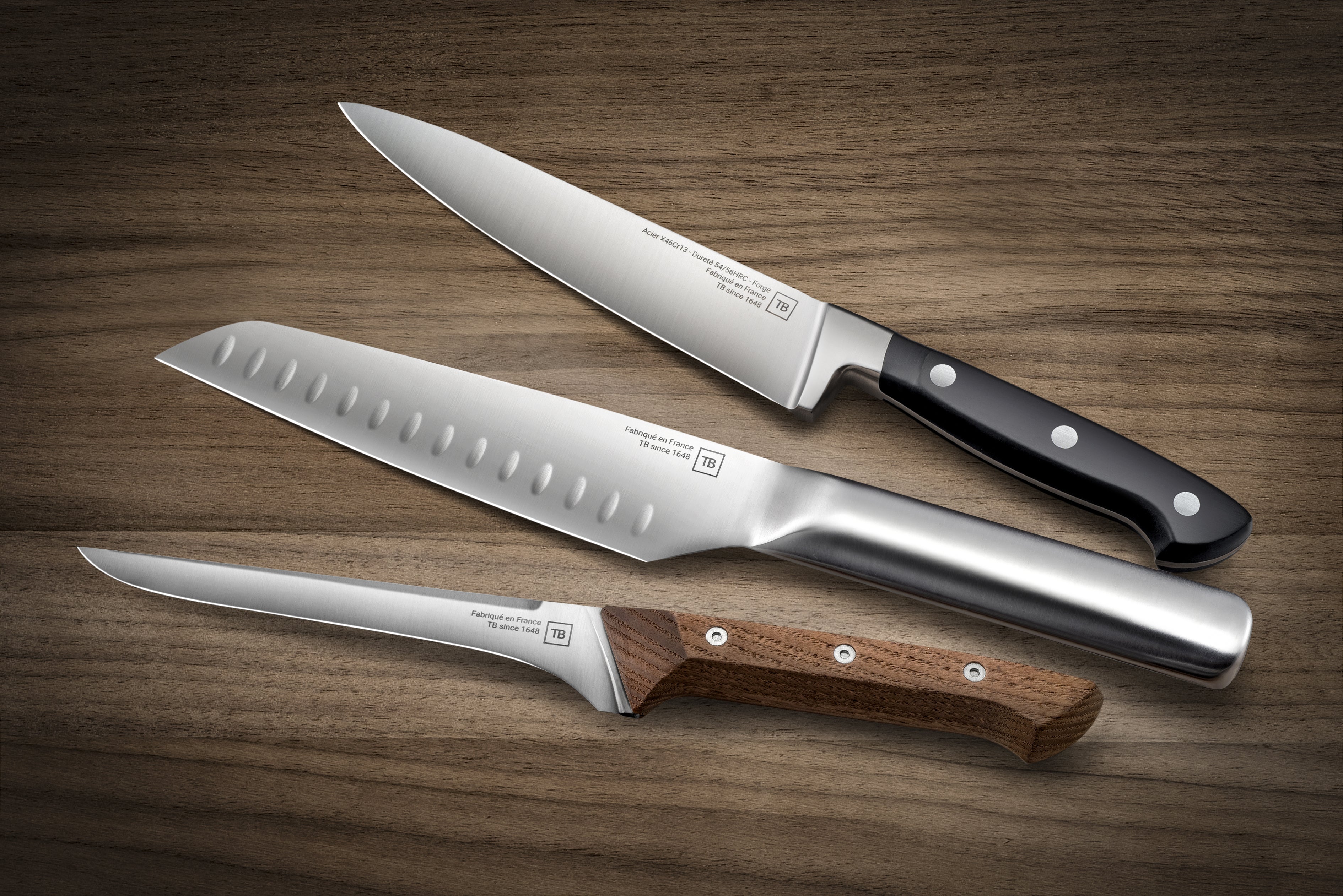
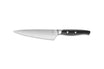
Suggestion TB 1648: The Chef's knife from our "Georges" range, with a black POM or wooden handle, is an excellent starting point. Its robust blade and proven design make it a reliable and long-lasting companion.
The paring knife: precision for small jobs
Small but indispensable, the paring knife is the specialist for delicate and precise tasks. Its short (generally between 7 and 11 cm), thin, and pointed blade is perfect for peeling fruits and vegetables, trimming, removing potato sprouts, or for small cuts like garlic or shallots. It is easy to handle and allows for optimal control.
How to choose one? A rigid, sharp blade is essential. Stainless steel is again a good choice. The handle should offer a good grip for safe handling, even with wet hands. Its small size shouldn't overshadow the importance of steel quality for a lasting edge.
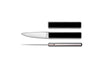
Suggestion TB 1648: The paring knife from the "Furtif White Blade" range combines a modern aesthetic with a highly efficient ceramic (or specially coated steel) edge for small, precise cuts, or a classic model from the "Georges" range for proven robustness.
The bread knife: for perfect slices without crushing
Often overlooked, the bread knife is nonetheless a major asset. Its long, serrated blade is specially designed to saw through even the toughest bread crusts without crushing the soft crumb inside. It's also very useful for slicing brioches, cakes with a delicate texture, and even some vegetables with tough skin and tender flesh, such as tomatoes or pineapples.
How to choose one? The blade length (at least 20 cm) is important for slicing large loaves of bread. The teeth should be well-defined and sharp. A comfortable handle that provides a good grip is also necessary for guiding the blade precisely.
Suggestion TB 1648: A bread knife from the "Georges" or "Maestro" range (depending on your budget) will guarantee clean, even slices for many years. The quality of the serrations is paramount for this type of knife.
Optional but practical: the universal or steak knife
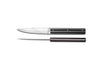
If your budget allows, or if you're a meat lover, a good all-purpose knife with a medium blade (around 12-15 cm), sometimes called a utility knife, or a quality steak knife set can be a worthwhile addition. The all-purpose knife falls between a chef's knife and a paring knife, offering versatility for tasks that don't require the large blade of a chef's knife or the small blade of a paring knife. Steak knives, on the other hand, will significantly enhance your meat-tasting experience.
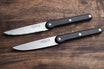
At TB 1648, our ranges like "Georges" often offer table or steak knives that can perfectly complement this initial trio, combining aesthetics and efficiency.
How to choose your first knives without making a mistake?
Now that you know the essentials, here are some key criteria to help you make the right choice and invest wisely in your first kitchen knives .
Defining your budget: quality doesn't always mean exorbitant prices
It's essential to set a realistic budget. Remember, it's better to invest in one or two excellent knives than in a mediocre set. At TB 1648, we strive to offer French-made knives that combine traditional craftsmanship and quality materials at fair prices. Ranges like "Georges" with POM handles are designed to offer excellent durability and performance without breaking the bank. The idea is to find the best value for your needs.
Analyzing your cooking habits: every cook has their own tools
Are you more the type to prepare composed salads, simmer stews, or cook a lot of meat? If you don't eat much bread, investing in a dedicated bread knife might be a bit of a stretch. If you love vegetables, a good chef's knife and a paring knife will be your best friends. Think about what you cook most often to prioritize your purchases . That said, the chef's knife, paring knife, and bread knife trio remains a solid foundation for almost any type of cooking.
Prioritize the quality of the steel and the manufacturing
Steel is the heart of the knife. Stainless steel is the most common for kitchen knives because it resists corrosion well and is easy to maintain. Look for terms like "hardened stainless steel" or indications of the steel's hardness (expressed in HRC). Proper hardening ensures a sharper edge and better edge retention. The tang (the metal part extending into the handle) is also an indicator of quality. A full tang (running the entire length of the handle) or a three-quarter tang generally signifies robustness and balance. French manufacturing, like that of Tarrerias-Bonjean, is renowned for its expertise and attention to detail, ensuring reliable and high-performing products.
Ergonomics and ease of use: essential criteria
A knife should be an extension of your hand. Before buying, if possible, try holding the knife to feel its weight, balance, and the comfort of the handle. The handle should be non-slip, even with wet hands, and its shape should fit naturally in your palm. A good balance between the blade and the handle reduces fatigue during prolonged use. Our various ranges at TB 1648 offer different handle materials (POM, wood, etc.) to satisfy different preferences in terms of feel and aesthetics, while ensuring ergonomics.
Our top suggestions for discerning young people
At Tarrerias-Bonjean, we are proud of our French cutlery heritage dating back to 1648. We understand the importance of having good tools in the kitchen, whatever your budget. That's why we have developed ranges that combine performance, durability, and affordability, perfect for first-time buyers.
The "Georges" range: accessible tradition and robustness
The "Georges" range is an excellent choice for beginners. These knives embody the traditional craftsmanship of Thiers cutlery.
- The Georges Kitchen Knife with POM (or wood) handle: With a 20 cm high-performance stainless steel blade, it's incredibly versatile. Its black POM (Polyoxymethylene) handle is hygienic, durable, and offers an excellent grip. The wood handle version adds a touch of warm authenticity. It's a moderate initial investment for a tool that will serve you daily for years to come.
- The Georges paring knife with a POM ( or wood ) handle: Precise and easy to handle, it perfectly complements your chef's knife for all your small cutting and peeling tasks. Its sharp blade and ergonomic handle make it a pleasure to use.
- The Georges bread knife with POM (or wood) handle: Its serrated blade will effortlessly cut through all crusts, for clean and even slices.
These knives are designed to last and to offer a professional-quality cutting experience at a price designed for young households.
The "Furtif White Blade" range: modernity and razor-sharpness
For those who appreciate a more contemporary design and a specific cutting edge, the "Furtif White Blade" range offers some interesting options, particularly for the paring knife. The ceramic blades or those with special coatings provide impressive cutting sharpness, especially on fruits and vegetables.
- The Furtif White Blade paring knife: Ideal for those seeking surgical precision for small cuts. Its blade retains its edge for a long time and doesn't impart any metallic taste to food. However, it requires a little more care as ceramic blades can be more fragile and susceptible to damage from impacts.
It is important to note that the Furtif range also includes knives with high-tech steel blades, offering an excellent compromise between modernity and the traditional robustness of steel.
Consider the selected starter kits
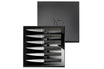
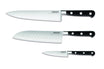
While we advise against large, low-end sets, TB 1648 occasionally offers small sets of 2 or 3 essential knives from our quality ranges. These sets are designed to offer the best value for money for a well-rounded and effective first knife kit. Feel free to visit our website to discover our current offers.
Caring for your knives: key steps to prolong their life
Having good knives is great. Knowing how to care for them so they retain their effectiveness and beauty for as long as possible is even better! A few simple steps are all it takes.
Cleaning: by hand is always best
The number one enemy of your quality knives is the dishwasher. Harsh detergents, intense heat, and impacts with other utensils can damage the blade's edge, dull the steel, and damage the handles (especially wooden ones). The best method is hand washing, immediately after use if possible.
- Use lukewarm water and a little mild dishwashing liquid.
- Clean the blade from the back towards the edge (never the other way around to avoid cuts).
- Use a soft sponge, never an abrasive pad that would scratch the blade.
Drying: immediate and thorough
Never let your knives air dry. Prolonged exposure to moisture can cause limescale stains, or even corrosion on some steels, even stainless steel. Dry them thoroughly with a soft, dry cloth immediately after washing. This will preserve their shine and integrity.
Storage: Protect the blades and your fingers
Proper storage is crucial for the longevity of your knives and for your safety. Avoid throwing them loose in a drawer: the clashing of the blades damages them, and you risk cutting yourself while searching for a utensil. Several solutions are available:
- The knife block: Classic and efficient, it allows you to store each knife individually. Choose a model suited to the size of your blades.
- The wall-mounted magnetic knife strip: Very practical, it keeps knives within easy reach while freeing up space on the worktop. Make sure the magnet is strong enough.
- Individual blade protectors: If you need to store your knives in a drawer, use sheaths or blade protectors to prevent impacts and protect the edge.
Sharpening: maintaining the cutting edge
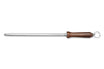
Even the best knives will eventually lose their edge with use. Regular sharpening is therefore essential. For home use, a pass with a honing steel before each use, or every few uses, will straighten the blade's edge and maintain its sharpness. From time to time, a deeper sharpening with a whetstone or a manual/electric sharpener will be necessary to restore the edge. If you are not comfortable with this process, don't hesitate to entrust your knives to a professional. A well-maintained knife is a knife that remains pleasant to use and will last a long time.
Getting the right equipment is essential for a good start.
Equipping your first apartment with kitchen knives shouldn't be a source of stress or a financial drain. By prioritizing quality over quantity and wisely choosing a few essential pieces, you'll make a lasting investment that will positively transform your cooking experience. A good chef's knife, a precise paring knife, and an efficient bread knife provide a solid foundation for exploring the world of cooking with pleasure and confidence.
At TB 1648, we believe that French quality is accessible. Our ranges, like "Georges," are specifically designed to offer performance and durability without breaking the bank. Remember that taking care of your knives is just as important as choosing the right ones. With the right tools and a few simple maintenance steps, you're all set for many years of culinary discoveries in your new home.
So, ready to get down to business and equip your kitchen like a pro? Explore our collections and find the perfect companions for your culinary adventures!