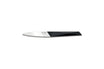
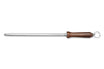

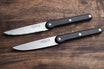
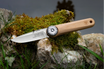
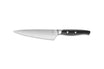
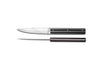
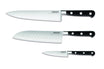
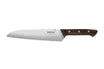
As a manufacturer and cutler since 1648, we design and test the products featured in this guide. While we are proud of our TB creations, our priority is to provide you with objective technical advice to help you choose the right tool for your needs.
The chef's knife is much more than just a utensil; it is an extension of the cook's hand, the soul of the kitchen, the tool that transforms the chore of preparation into a true art. Choosing the right chef's knife is therefore not insignificant. It means choosing a partner who will accompany you daily, ensuring precision, efficiency, safety, and, above all, pleasure. Faced with a multitude of options, how do you find your way? This guide is designed to enlighten you.
To illustrate excellence in cutlery, we will draw on the expertise of Tarrerias Bonjean (TB Groupe), guardian of a centuries-old heritage rooted in Thiers, the undisputed capital of French cutlery. With a history dating back at least to 1648, or even 1580 according to some sources, TB Groupe embodies the transmission of unique savoir-faire over more than thirteen generations. Committed to a perpetual quest for "Made in France" quality and innovation, the company offers a range of chef's knives that combine tradition and modernity. Follow us to discover the essential criteria that will allow you to select the ideal chef's knife, the one that will become your most faithful ally in the kitchen.
Why choose a "Made in France" Chef's knife from TB Groupe?
Opting for a TB Groupe chef's knife means choosing a product steeped in history, savoir-faire, and commitment. It means choosing "Made in France" excellence, crafted in the heart of the cradle of cutlery.
Thiers' savoir-faire: A guarantee of excellence
Thiers is not just any city. Globally recognized as the capital of French cutlery, it embodies centuries of tradition and innovation. The Durolle, an emblematic river flowing through the city, has seen its banks bustling with generations of cutlers who have perfected their art over time. TB is a major player in this historic region, a company that not only perpetuates this heritage but projects it into the future by combining ancestral techniques with cutting-edge technologies. Choosing a TB Groupe knife therefore means embracing a piece of this history and this unique expertise in the world.
A prestigious family heritage: The Hénokiens
TB Groupe's commitment to sustainability and transmission is brilliantly demonstrated by its membership in the international association Les Hénokiens. This very exclusive circle brings together family businesses that have been in continuous existence for at least two centuries, are still majority-owned by the founding family, and are managed by one of its members. Membership in Les Hénokiens is not simply a symbol of longevity; it represents the validation of a business philosophy focused on long-term vision, financial stability, the passionate transmission of savoir-faire from generation to generation, and remarkable economic resilience. By joining this association, TB Groupe affirms its commitment to these fundamental values, offering consumers much more than a product: a guarantee of trust, durability, and authenticity, far from short-term economic models.
Certified quality and environmental commitment
Beyond heritage, quality at TB Groupe is an active and proven approach. The company holds ISO 9001 certification, which attests to the rigor of our quality management system, from design to distribution. This commitment is complemented by ISO 14001 certification, recognizing our company's concrete efforts to control and reduce our environmental impact. Tangible actions, such as the integral recycling of water used in the manufacturing process (awarded the Éco Trophée du Parc Naturel Livradois-Forez) or adherence to the United Nations Global Compact, demonstrate this responsibility. Furthermore, our subsidiary GDD (Générale De Découpage) has obtained the prestigious state label "Entreprise du Patrimoine Vivant" (EPV), which distinguishes French companies with excellent artisanal and industrial savoir-faire. These certifications and labels are not mere adornments; they transform the discourse on "Made in France" quality and savoir-faire into objective proof, verified by independent organizations, reinforcing your confidence in the promise of an exceptional product, manufactured responsibly.
The advantages of "Made in France"
Choosing a TB Groupe knife made in Thiers is also a concrete gesture. Environmentally, it means prioritizing short supply chains, thereby reducing the carbon footprint associated with international transport. Economically, it means supporting local employment and preserving a valuable industrial fabric in the heart of the Thiers region. It is a responsible choice that combines personal pleasure with positive contribution.
Essential criteria for choosing your chef's knife
Now that the importance of savoir-faire and origin has been established, let's look at the technical characteristics that define a good chef's knife. Blade, size, shape, construction, handle... every detail counts.
The blade: The cutting heart of your tool
Materials: A world of possibilities
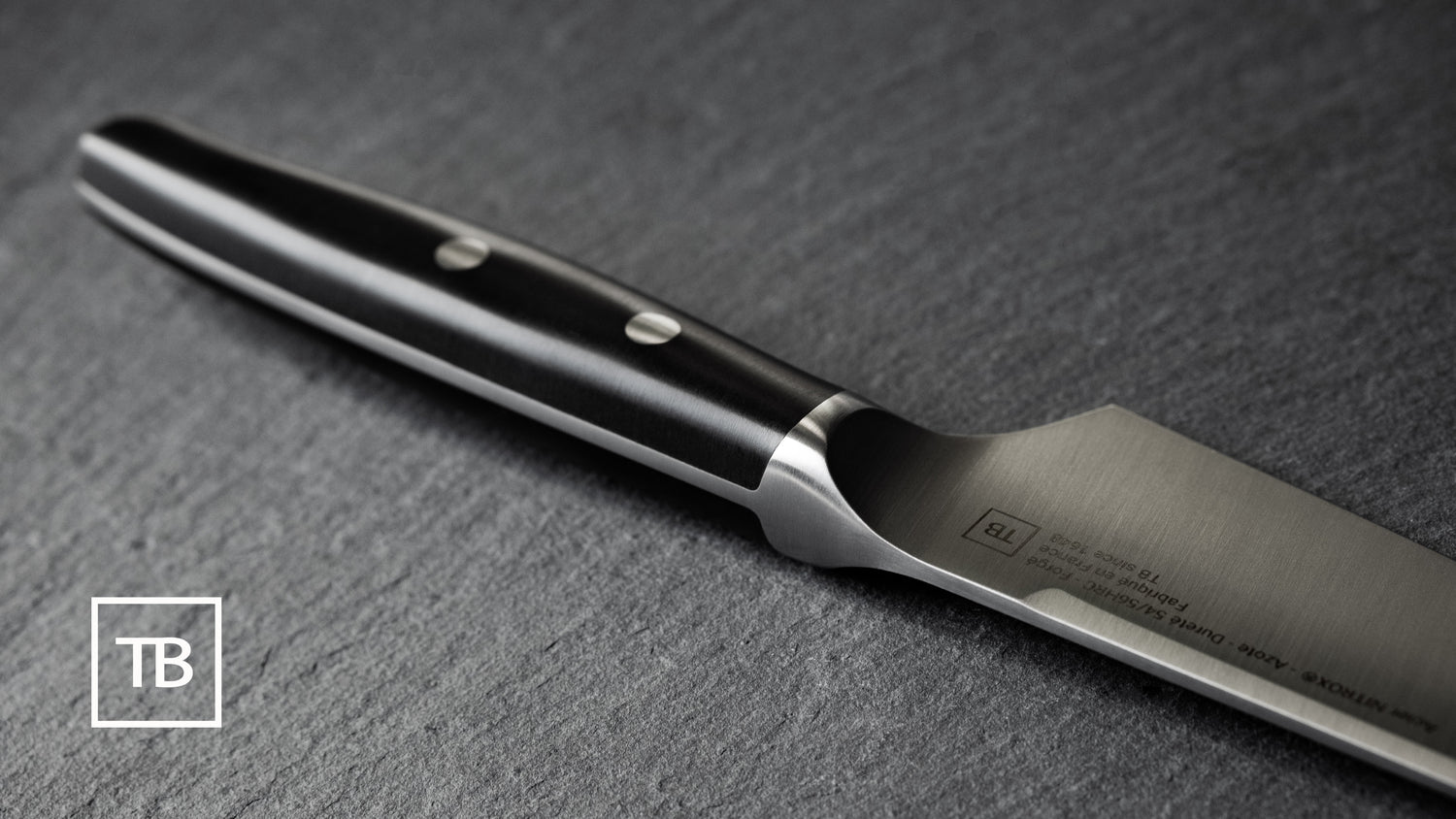
- Stainless steel (Inox): This is the most common choice for its great practicality. Its main quality is its resistance to rust and corrosion, which greatly facilitates daily maintenance. The drawback is a generally shorter edge retention than carbon steel, requiring more regular sharpening to maintain an optimal edge. We use high-quality stainless steels, such as Nitrox® steel (a French 16Cr steel with high carbon and chromium content) found in the Louis or Maestro Idéal Forgé ranges, offering an excellent compromise between corrosion resistance, hardness (around 56 HRC), and ease of sharpening.
- Carbon steel: Favored by purists and some professionals, carbon steel often offers a superior edge and great ease of sharpening. Its Achilles' heel is its susceptibility to rust. It requires meticulous maintenance: immediate washing and drying after each use, and often light oiling to protect it. Although high-performing, it is less present in our general public ranges, which prioritize the practicality of stainless steel.
- Damascus steel: Recognizable by its unique wavy patterns, Damascus steel is obtained by forging several layers of different steels. It combines remarkable aesthetics with great robustness and good cutting performance. Its cost is generally higher. We offer this option on certain specific creations, such as the C.A.C.® folding knife blade or potentially in Laguiole Heritage collections, highlighting its exceptional character.
- Ceramic: Ceramic blades are attractive for their lightness and their ability to retain a very sharp initial edge for a long time. They are also rust-resistant. However, their extreme hardness makes them very fragile: they can chip or break with the slightest impact or twist. Moreover, sharpening them is almost impossible for an individual. We offer ceramic knives, but for our high-end chef's knives, we recommend steel or the revolutionary performance of Evercut®.
Focus on the revolutionary Evercut® technology: The edge that defies time
At the heart of TB Groupe's innovation is Evercut® technology, a major breakthrough that redefines the notion of a durable edge.
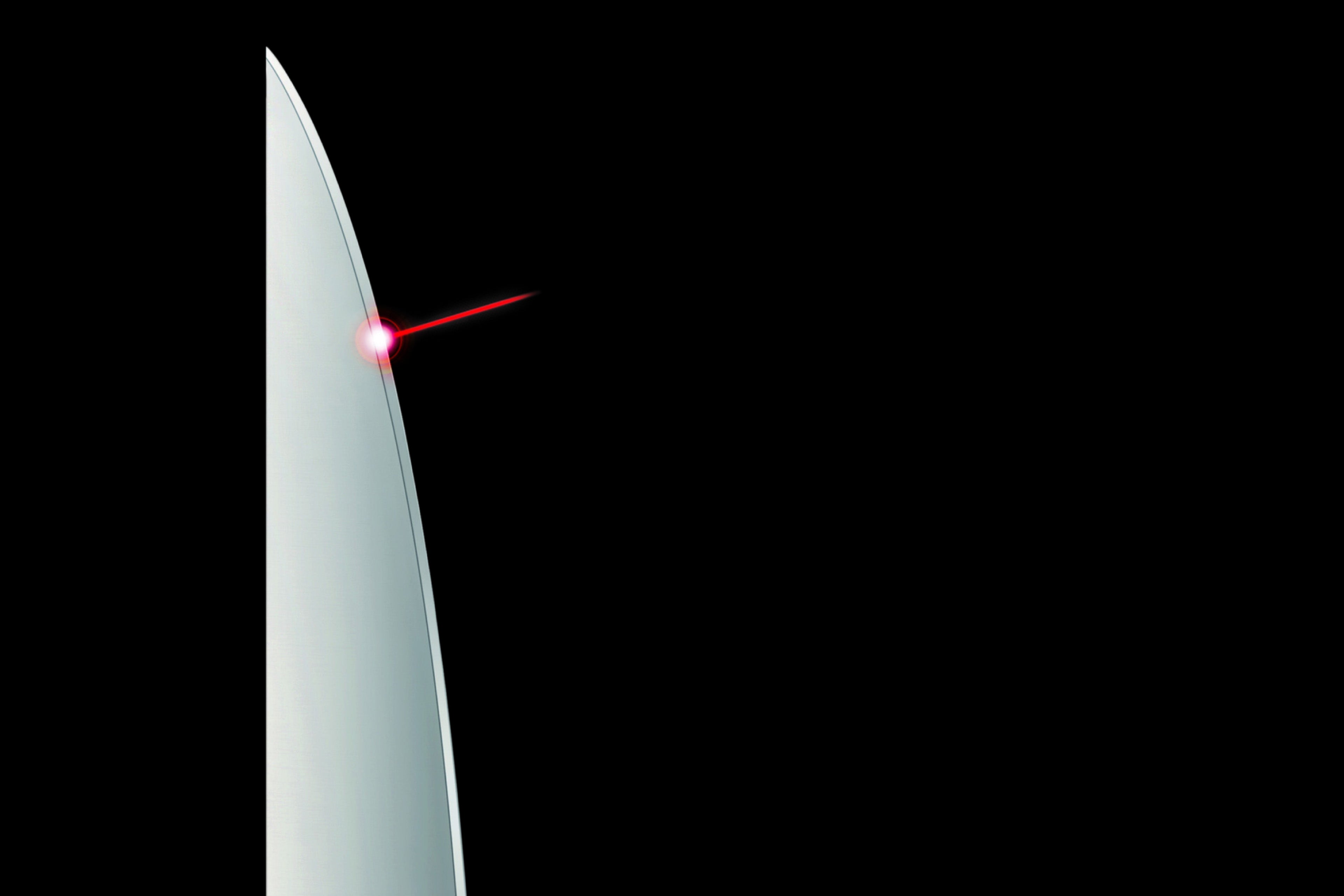
- The unique process: The result of five years of intensive research and development, the patented Evercut® technology involves fusing, using a latest-generation laser beam reaching over 4000°C, a thin layer of titanium carbide – an extremely hard material, second only to diamond – onto the edge of a high-quality stainless steel blade. This reinforced edge is then machined with extreme precision using diamond grinding wheels, the only ones capable of working with this material.
- Unrivaled performance: The result is an edge described as "almost indestructible." Rigorous tests conducted by the independent British laboratory CATRA (Cutlery & Allied Trades Research Association), according to international standard ISO 8442-5, have shown that Evercut® blades retain their cutting power 300 to 400 times longer than traditional steel blades and up to 5 times longer than the best ceramic blades under similar use conditions. Where a classic steel blade dulls after a few dozen cycles, Evercut® continues to cut effectively after thousands of cycles.
- Concrete advantages: For the user, this translates into exceptional and consistent cutting precision. Unlike ceramic, the blade retains the robustness and flexibility of steel, making it less prone to chipping during normal use. The most striking advantage is the end of the sharpening chore: no more need to spend time re-sharpening your knife or fearing damaging it by doing it incorrectly. It's a gain in time, comfort, and, in the long run, an economy.
- Unique guarantee: Each Evercut® knife has a unique serial number engraved on the blade, allowing for its registration and warranty tracking. TB Groupe commits to restoring the edge of your Evercut® knife to its initial cutting state free of charge, as often as necessary throughout the product's life (only shipping costs are borne by the customer), provided that the usage recommendations have been followed. Although some communications mention a 25-year period, this is more an estimate of the time a typical domestic user would likely not need to use this service. The reconditioning service itself is offered "for life."
-
Evercut® TB Groupe ranges: This exceptional technology is available in several ranges to satisfy different tastes:
- Origine: Often considered the historic range, with a sleek and high-performance design. The 20cm kitchen knife is a bestseller.
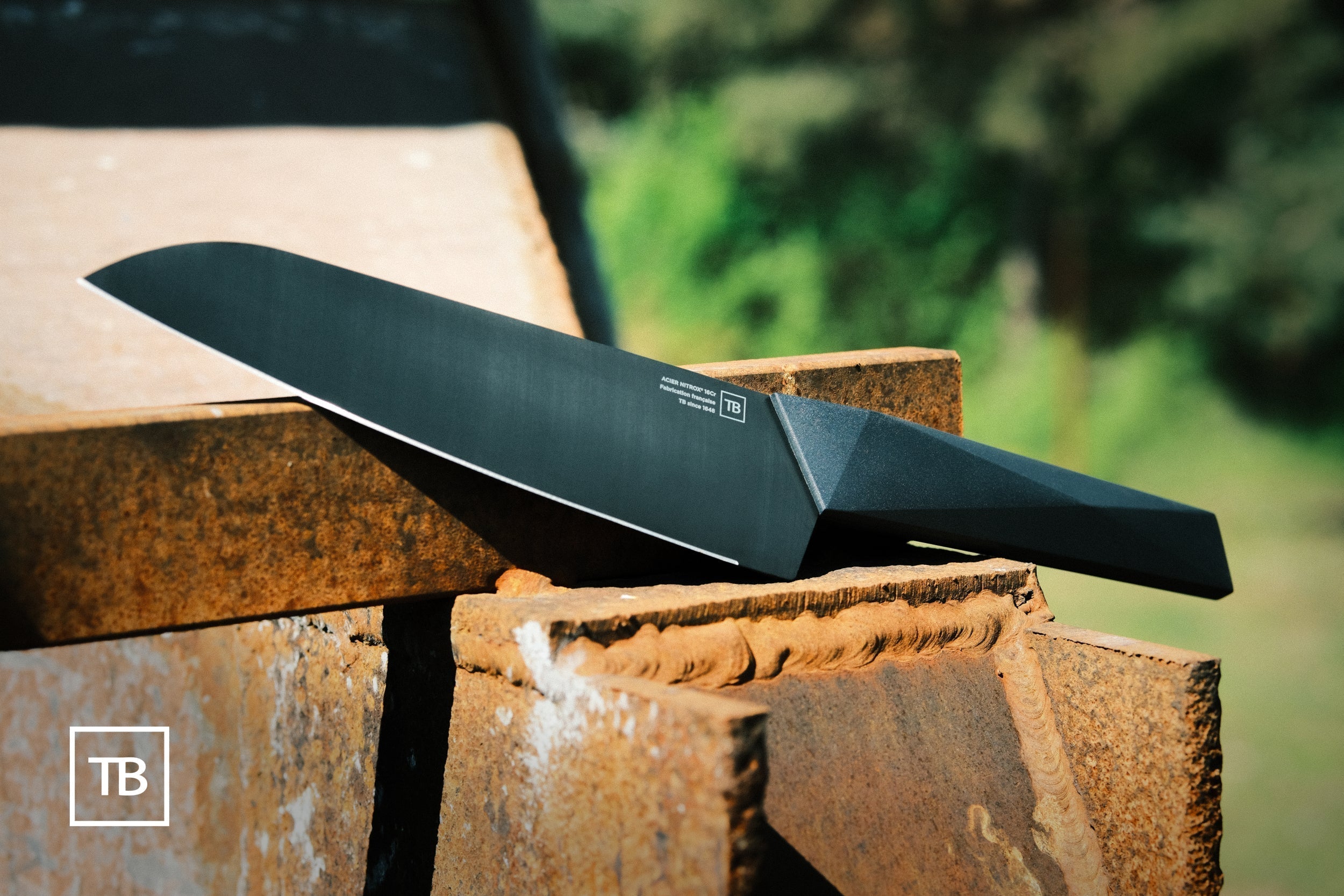
- Furtif®: Characterized by a bold, modern, and geometric design, reminiscent of the lines of a stealth aircraft. The handle is made of POM (Polyoxymethylene), a resistant technical polymer.
- Forged premium: Combining Evercut® technology with traditional forged construction, this range offers robust knives with an ABS (Acrylonitrile Butadiene Styrene) handle.
Hardness (HRC): The balance between edge retention and ease of sharpening
- The hardness of a blade, measured on the Rockwell C (HRC) scale, directly influences its ability to retain its edge and its resistance to impact.
- A very hard steel (generally above 58-60 HRC) will hold its edge longer but will be more susceptible to chipping in case of twisting or impact (e.g., on a bone), and will be more difficult to re-sharpen. Japanese steels are often in this category.
- A softer steel (around 54-57 HRC) will dull a little faster but will be more resilient, less brittle, and much easier to sharpen. This is often the case with traditional European steels.
- The steels used, such as Nitrox® (56 HRC) or Alenox® (57 HRC), are in a range offering an excellent balance between good edge retention for daily and professional use, appreciable robustness, and relative ease of maintenance. Evercut® technology, on the other hand, bypasses this dilemma by offering extreme hardness only on the edge thanks to titanium carbide, while maintaining the flexibility of the steel support blade.
Blade size and shape: A matter of use and preference
The ideal length for a chef's knife
- The standard size of a chef's knife is generally between 15 and 25 cm, or even 30 cm for some professional models. The most versatile and common length is often 20 or 21 cm.
- The choice depends on the size of your hand and the type of food you work with most often. A longer blade allows you to slice larger pieces in a single fluid motion, while a shorter blade offers more maneuverability and precision for smaller tasks.
- We offer a variety of sizes to meet these needs: the classic 20 cm (Excellence, Pro, Maestro Idéal Forgé ranges), 19 cm (Louis, Furtif Evercut), but also options like the 15 cm (Brigade Forgé Premium) for those who prefer a more compact format.
Blade profiles: Cultural and functional influences
- French/German profile (classic Chef's knife): This is the most well-known shape in the West. The blade is wide at the base, tapering to a centered point. The edge has a continuous, pronounced curve, ideal for the "rocking chop" technique which allows for efficient chopping and mincing of herbs, vegetables, etc. Its versatility makes it a must-have. TB Groupe's Excellence, Pro, Louis, and Maestro Idéal Forgé ranges embody this profile well.
-
Japanese profile (Santoku / Gyuto): The influence of Japanese cutlery is felt even in Western kitchens.
- The Santoku means "three virtues" (slicing, dicing, mincing). Its blade is generally shorter (often 17-18 cm) and wider than that of the classic chef's knife, with a less pointed back (called "sheep's foot") and a straighter edge. It excels at cutting vegetables, fish, and boneless meats. Many models are hollow-ground: these small depressions on the blade create air pockets that reduce food adhesion, facilitating the cutting of products like potatoes or salmon.
- The Gyuto is the Japanese interpretation of the Western chef's knife. It shares its versatility but often has a thinner blade, harder steel, and a slightly different profile, perhaps favoring push cutting more than rocking.
Construction: Guarantee of robustness and balance
Forged Blade vs. Stamped Blade: The manufacturing duel
- Forged: A forged knife is traditionally made from a single piece of steel (a bar or "rod") that is heated to a high temperature then hammered and pressed to form the blade, the bolster (the thick part between the blade and the handle), and the tang (the part of the blade that extends into the handle). This process creates a dense and homogeneous metal structure, resulting in a knife that is generally heavier, more robust, more durable, and offers better balance thanks to the integrated bolster and full tang. Manufacturing is more complex and costly, often positioning forged knives in the high-end. We offer several forged ranges, such as the Brigade Forgé Premium, the Maestro Idéal Forgé or Georges
- Stamped: The blade is cut ("stamped") from a large sheet of steel using a press, then heat-treated and sharpened. These knives are generally lighter, thinner, more flexible, and cheaper to produce. Their balance and durability may be lower if the tang is not full, but modern techniques make it possible to obtain excellent stamped knives.
The Tang: The invisible backbone of the knife
- The tang is the metal part of the blade that extends into the handle. Its length and shape are crucial for the knife's strength and balance.
- Full Tang: The tang extends the entire length and width of the handle. It is often visible between the two parts of the handle (the "scales") and fixed by rivets. This is the most robust and best-balanced construction, as the weight of the metal in the handle counterbalances that of the blade. It is characteristic of high-quality knives, whether forged or stamped. TB Groupe's Louis, Maestro Idéal Forgé, and Brigade Forgé Premium ranges are examples of full tang knives.
- Partial Tang or Half Tang: The tang only partially penetrates the handle. This construction is less expensive but offers less robustness and potentially poorer balance. It is more often found on entry-level knives.
The handle: The alliance of comfort and aesthetics
The range of materials: From natural to technical
- Wood: A noble and traditional material, wood offers a warm and unique aesthetic (each grain is different) as well as a often very comfortable and naturally grippy feel. However, it requires more careful maintenance: avoid soaking it in water, preferably wash it by hand and ideally nourish it occasionally with a suitable oil to prevent drying out or cracking. We offer a beautiful variety of woods: Walnut for the Louis range, Rosewood for the Absolu range, Olive wood for some Forged models, Maple for Auguste, or various woods for the Georges or Brigade Bois ranges.
- Synthetic Materials (Polymers): POM (Polyoxymethylene, also called acetal) and ABS (Acrylonitrile Butadiene Styrene) are very common choices for their excellent durability, resistance to shock and moisture, ease of cleaning, and hygiene. They are often dishwasher safe (although hand washing is still preferable to preserve the blade's sharpness). Their appearance may be considered less noble than wood, and some can become slippery when wet. These materials are often used: POM for Evercut Furtif and Maestro Idéal Forgé, and ABS for Evercut Forgé Premium, Absolu or the economical Record range.
- Composite Materials: Combining fibers (glass, carbon, linen...) and a resin (epoxy, phenolic...), composites like G-10 or Micarta offer excellent mechanical resistance, great dimensional stability (insensitivity to water and temperature) and good grip, even when wet. They also allow for a wide variety of textures and colors. They are often found on outdoor or tactical knives.
- Metal: Primarily stainless steel or aluminum, metal handles offer maximum durability, perfect hygiene, and a decidedly modern look. However, they can be heavier, colder to the touch, and potentially slippery, especially with wet or greasy hands. The Metalis knife range illustrates this choice.
Ergonomics and Balance: For an Intuitive Grip
- Beyond the material, the shape of the handle is paramount. A good handle should comfortably fit the palm of the hand, regardless of its size, and allow for a secure and fatigue-free grip, even during prolonged use.
- The overall balance of the knife is essential. Ideally, the balance point is near the junction between the blade and the handle (the bolster). A well-balanced knife feels lighter than it is, handles with ease and precision, and reduces wrist fatigue. Full tang construction greatly contributes to this balance.
- TB pays particular attention to the ergonomics of its handles, seeking to combine functionality and aesthetics, whether with the elegant curves of the walnut in the Louis range or the technical and angular design of the Furtif range.
Maintenance: Preserving the Performance and Beauty of Your Knife
Sharpening: The Secret to Long-Lasting Sharpness (Except for Evercut!)
- For all steel blades (stainless or carbon), periodic sharpening is essential to maintain a high-performance and safe edge. A dull knife requires more force and is more likely to slip.
- There are various tools for this: the honing steel (which straightens the edge more than it removes material), the sharpening stone (natural or synthetic, requiring a little technique), or manual or electric sharpeners (easier to use). The choice depends on your preferences and comfort level.
- The special case of Evercut®: It is crucial to remember that you should **never** attempt to sharpen an Evercut® knife yourself. The titanium carbide edge is extremely hard and can only be worked with specific diamond tools. Any attempt with a conventional sharpener would irreparably damage the edge. This is where TB's unique guarantee comes in: if needed (which, with normal use, can take many, many years), simply return the knife to the company, which will restore its original sharpness free of charge.
Cleaning and Storage: The Habits That Save
- Dishwashers are the enemy of good knives, even those indicated as compatible. Aggressive detergents, heat, and impacts with other utensils can dull the edge, damage the handle, and cause corrosion points.
- The best method is quick hand washing with warm soapy water immediately after use. The knife should then be dried immediately with a soft cloth.
- For storage, avoid throwing your knives loosely in a drawer. Prefer a knife block, a magnetic wall strip, or individual blade guards.
- Specific Evercut® Tips: Use a wooden or soft plastic cutting board. Absolutely avoid hard surfaces like glass or marble. Avoid direct impacts on the edge and do not cut bones or frozen foods.
Explore TB Groupe Excellence: Our Chef's Knives Under the Magnifying Glass
-
The Louis Range - French Elegance:
The embodiment of French refinement, the Louis range seduces with its harmonious blend of tradition and modernity. Its ergonomic handle made of solid Walnut offers a warm and comfortable grip. The blade, made of high-quality Nitrox® stainless steel, is full tang, guaranteeing robustness and perfect balance. The 19 cm chef's knife is a powerful and precise tool, ideal for lovers of authenticity who seek durable performance and timeless aesthetics.
-
The Evercut® Furtif Range - The Discreet Revolution:
With its bold, geometric design inspired by stealth lines, the Furtif® range is sure to impress. But its true strength lies in its blade featuring revolutionary Evercut® technology. This titanium carbide reinforced edge is virtually indestructible and comes with a lifetime re-sharpening guarantee. The stainless steel blade is combined with a lightweight and resistant POM handle. Available as a 19cm chef's knife or a 21cm kitchen knife, Furtif® is aimed at those who prioritize cutting-edge innovation, extreme performance without the hassle of sharpening, and a decidedly contemporary style.
-
The Maestro Idéal Forgé Range - The Choice of Professionals (and Top Chef® Fans):
This range incorporates the classic codes of the professional forged knife, with a touch of modernity. The robust 20 cm blade, made of Nitrox® 16Cr steel, is entirely forged in France and full tang, ensuring impeccable balance and strength. The riveted POM handle offers an excellent grip. An official partner of the Top Chef® show, the Maestro Idéal Forgé range is an excellent choice for those seeking the reliability, performance, and durability of a professional-quality French forged knife, at a competitive price.
Synthetic Comparison Table
| Range | Blade Size Chef (cm) | Blade Steel | Special Technology | Construction | Handle Material | Key Feature | Estimated Price (€) |
|---|---|---|---|---|---|---|---|
| Evercut® Origine | 20 (Kitchen) | Stainless Steel + Titanium Carbide | Evercut® | NC | POM | "Lifetime" Edge | 149,00 |
| Evercut® Furtif® | 19 (Chef) / 21 (Kitchen) | Stainless Steel + Titanium Carbide | Evercut® | Full Tang | POM | "Lifetime" Edge, Modern Design | 119,00 / 114,00 |
| Evercut® Forgé Premium | (Chef) / 13 (Utility) | Stainless Steel + Titanium Carbide | Evercut® | Forged | ABS | "Lifetime" Edge, Forged | ~123,00 / ~62,50 |
| Louis | 19 | Nitrox® Stainless Steel | None | Full Tang | Walnut | Elegance, Noble Materials | 130,00 |
| Maestro Idéal (Top Chef®) | 20 | Nitrox® 16Cr Stainless Steel | None | Forged, Full Tang | Riveted POM | Pro Quality, Forged | 59,95 |
| Absolu | NC | Stainless Steel | None | NC | Rosewood / ABS | Elegant Design | 161,99 (Set of 3) |
| Brigade Forgé Premium | 15 / 20 | Nitrox® Stainless Steel | None | Forged | POM | Forged Robustness | 79,00 / 80,00 |
This table highlights the richness of TB-1648's offerings. Whether you prioritize the absolute innovation of Evercut®, the traditional elegance of the Louis range, the proven robustness of the Maestro Idéal Forgé, or the accessibility of the Pro and Daily ranges, there is a "Made in France" TB-1648 chef's knife to meet your expectations and budget. The presence of different constructions (forged/stamped) and handle materials allows everyone to find the tool that perfectly matches their grip and aesthetic preferences.
Find Your Ideal Cutting Partner at TB Groupe
Choosing a chef's knife is a personal decision, guided by your culinary habits, aesthetic preferences, and budget. We hope this guide has enlightened you on the essential criteria to consider: the nature and quality of the blade (with a particular focus on Evercut® innovation), the size and shape adapted to your use, the robustness of the construction (forged or stamped, full tang or not), the comfort and material of the handle, not to mention the importance of proper maintenance.
Beyond technical specifications, choosing a Tarrerias Bonjean knife means trusting a house that has embodied the excellence of French cutlery for centuries. It means opting for the unique combination of ancestral know-how, born and preserved in Thiers, recognized by labels like EPV and belonging to the prestigious Hénokien circle, and cutting-edge innovation, exemplified by the revolutionary Evercut® technology. It also means choosing certified quality (ISO 9001) and a commitment to more responsible production (ISO 14001).
We warmly invite you to explore the complete collection of chef's knives, as well as all cutlery and tableware products, on our website tb1648.com. There you will discover each range in detail and undoubtedly find the "Made in France" knife that will become the indispensable and lasting partner for all your culinary adventures.