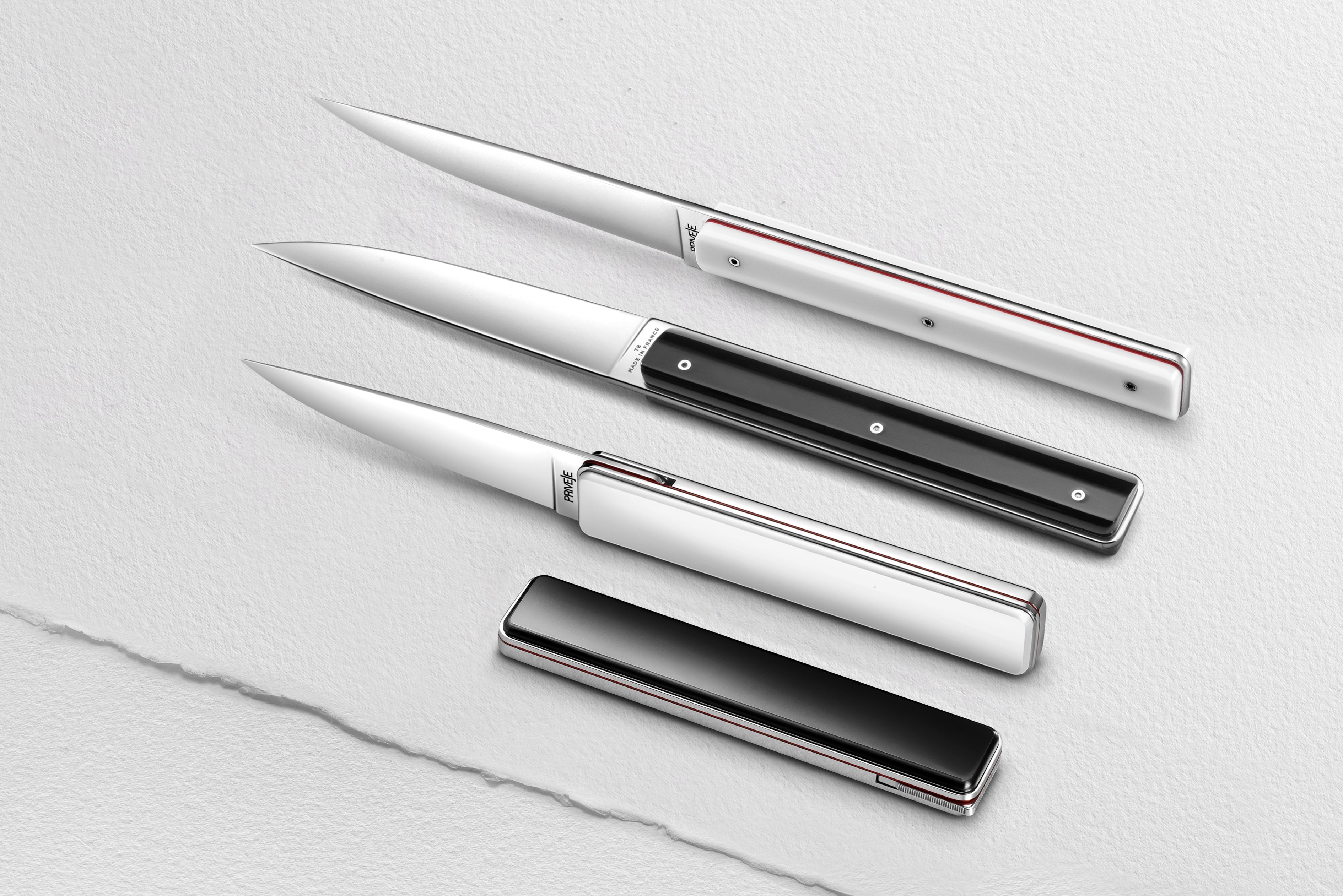
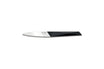

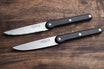
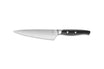
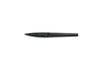
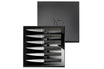
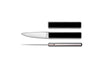
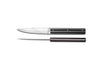
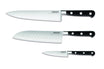
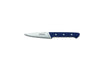
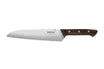

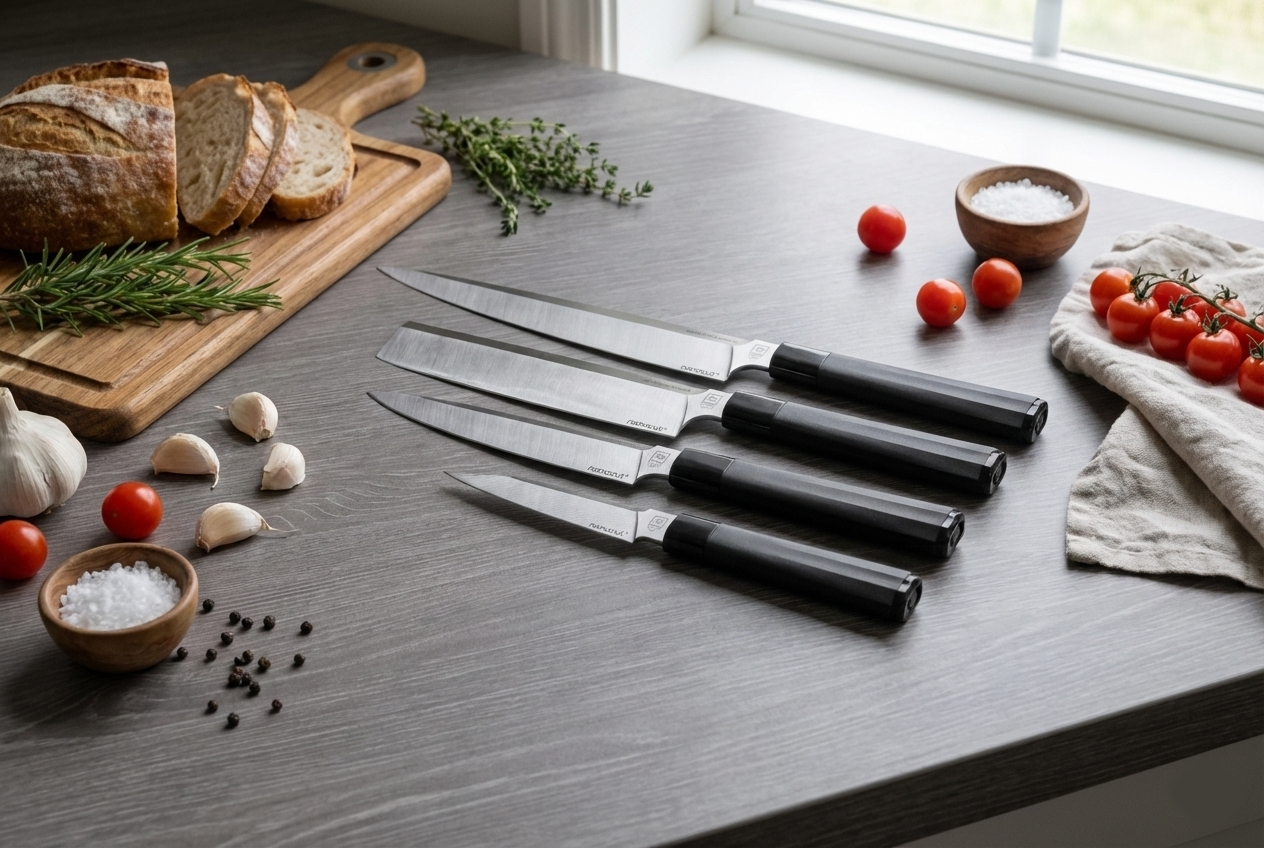
Imagine a tool that seems to disappear in your hand, leaving only your intention to cut. This is the challenge met by the Équilibre® range from TB-1648. Born from the desire to create a knife that is simultaneously lightweight, precise, and remarkably efficient, this collection explores a path inspired by Japanese master cutlers while retaining the strong identity of French cutlery. Designed for culinary aesthetes and lovers of uncompromising performance, the Équilibre® range doesn't just cut: it transforms the act of cutting thanks to the integration of revolutionary Nanocut® technology and a sleek design that plays with light.
Key takeaways:
- A Franco-Japanese fusion: The alliance of Japanese elegance and lightness with the signature and know-how of TB-1648.
- Nanocut® technology: A razor-sharp edge for a smooth cut that respects the texture of food.
- Nitrox® Steel: A latest generation steel grade (16% chromium) combining high hardness and exceptional corrosion resistance.
- Carefully designed ergonomics: An ideal weight distribution where the blade never overpowers the handle for perfect stability.
Why choose a Japanese inspiration?
The elegance and lightness of Japanese knives served as the starting point for the design of the Équilibre® range. This influence is reflected in clean lines and straight, taut edges, reminiscent, for example, of the traditional Yanagiba. This design allows for very slim blades: only 2.5 mm for the larger knives and 2 mm for the paring knife, making the tool extremely easy to handle. However, TB-1648 has added its signature touch: the faceted design. Present on the blade to play with the light, these facets are also found on the back of the handle to provide an anti-rotation function in the palm, before fading towards the front to ensure absolute comfort in use.
What does Nitrox® steel actually change?
To combine the finesse of a Japanese knife with modern ease of maintenance, the choice of steel is crucial. The Équilibre® range uses Nitrox® steel, a metallurgical alloy in which nitrogen replaces some of the carbon. With 16% chromium , this steel offers significantly greater corrosion resistance than standard steels, while achieving hardness equivalent to the finest cutlery grades. In practical terms, this means you benefit from the performance of a high-carbon steel without worrying about oxidation caused by moisture or the acidity of food.
How does Nanocut® technology transform haircutting?
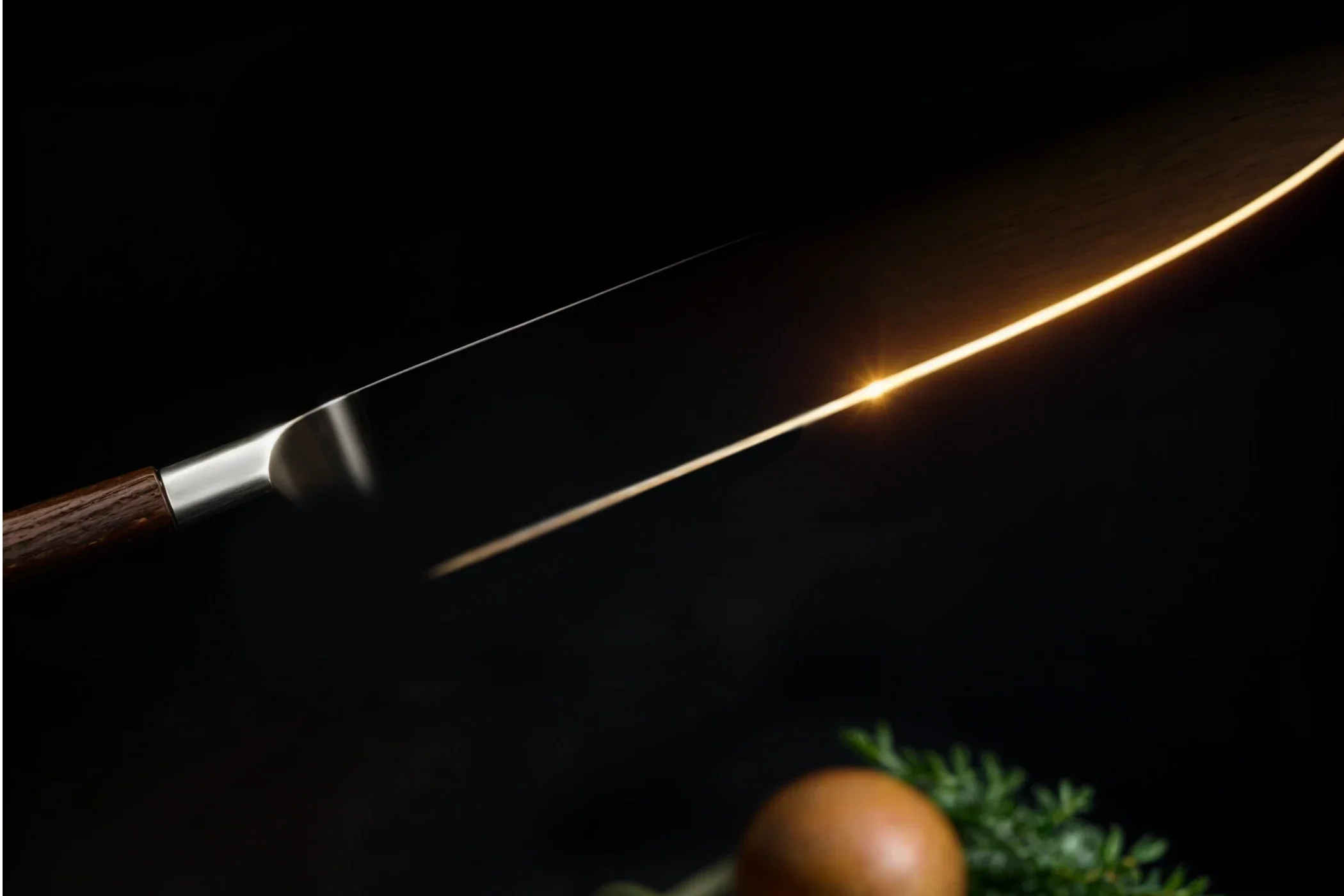
This is where the real revolution lies. Nanocut® technology delivers an exceptionally fine edge. Unlike a traditional edge, which can appear uneven under a microscope, the edge of a Nanocut® blade is perfectly smooth and consistent. This technology offers two major advantages: a smooth, effortless cut where the blade literally glides through food without crushing it, and superior edge retention, allowing you to maintain a perfect cut up to twice as long as most comparable stainless steel knives.
Frequently Asked Questions (FAQ)
Can I put my Équilibre® knives in the dishwasher?
Although Nitrox® steel is highly corrosion-resistant, dishwasher use is not recommended. Vibrations and impacts between utensils can damage the fineness of the Nanocut® edge, and harsh detergents can dull the knife's appearance. Hand washing followed by immediate drying is recommended.
How to maintain the Nanocut® edge?
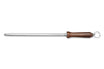
Resharpening a Nanocut® blade is simple. Use a good quality honing steel and identify the side opposite the Nanocut® logo. This is the side you need to work on, using a very slight angle and without applying pressure. A few strokes back and forth along the entire length of the edge are all it takes.
Which foods should be avoided when using this range?
The thinness of the blade and the precision of the Nanocut® edge are not suitable for heavy-duty work. These knives should never be used for boning, splitting bones, or cutting frozen food, as hard surfaces could chip the blade's edge.