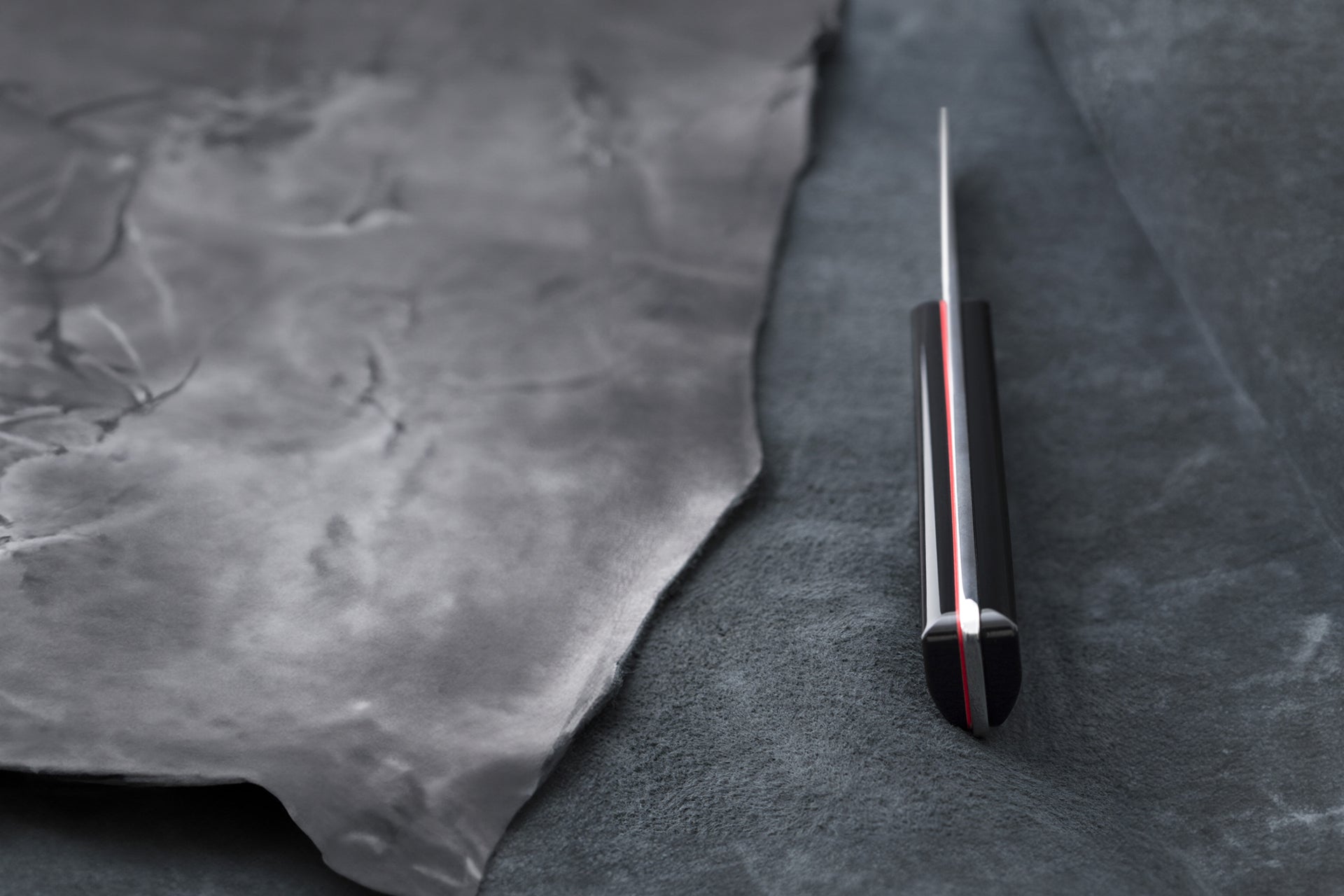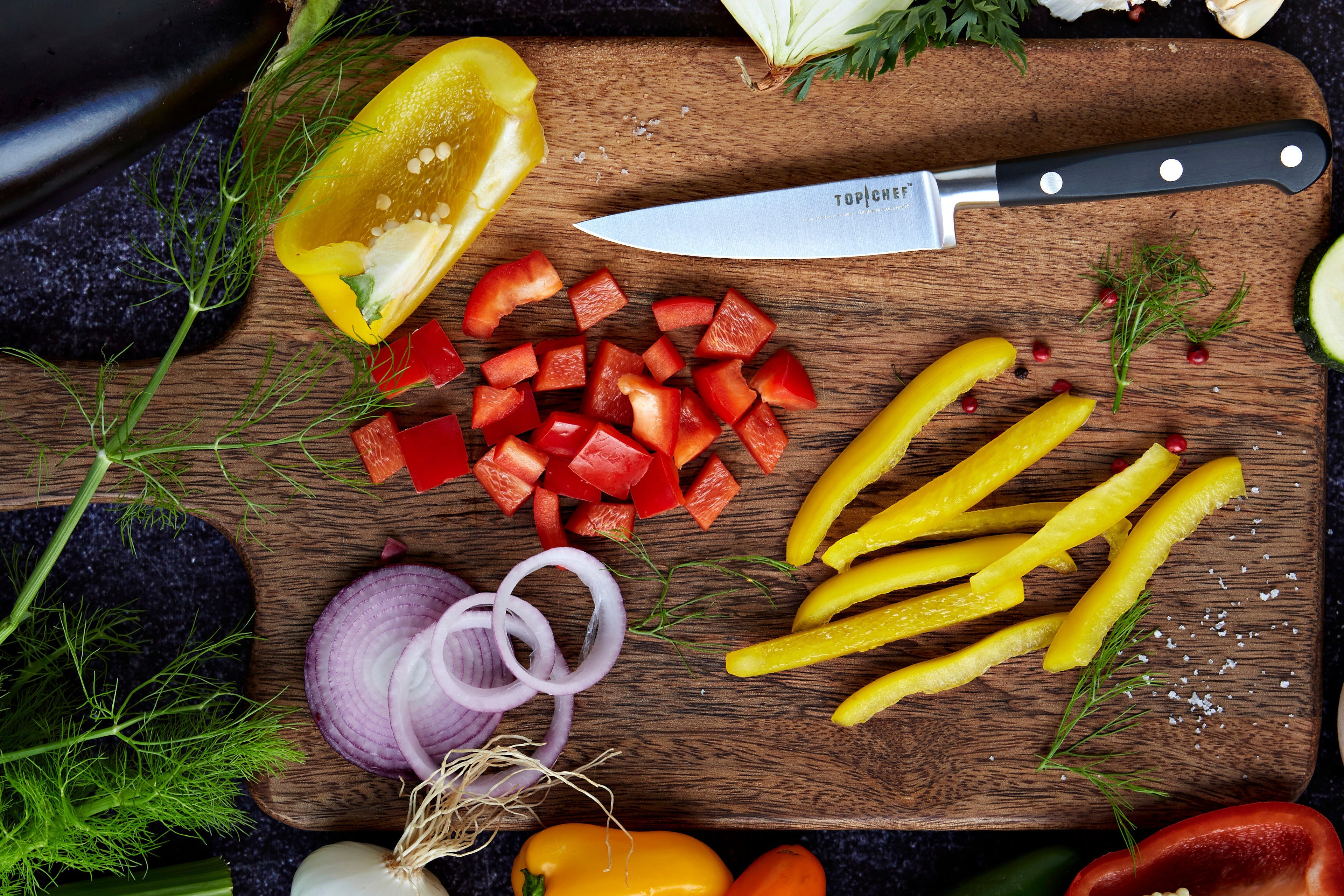
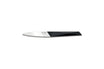
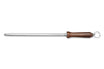

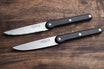

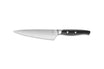
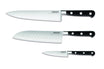
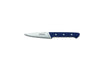
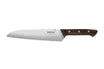

You've just acquired some beautiful TB-1648 kitchen knives, and you have every right to be proud of them. It's an investment in French craftsmanship, a precision tool that will last you a long time. To ensure this relationship endures and your blades retain their legendary efficiency, a few simple steps are all it takes.
Contrary to popular belief, maintaining a good knife isn't complicated; it just requires a little attention. Forget bad habits! We'll guide you step by step so that washing, caring for, and storing your knives becomes second nature.
The 4 Golden Rules for Always Perfect Knives
- Rule #1: Dishwasher, with extreme caution. Hand washing remains the only 100% safe method.
- Rule #2: Wood needs nourishment. Never put wooden handles in the dishwasher, and use a little olive oil to bring them back to life.
- Rule #3: Storage, never loose. Protecting the blade's edge is the priority to maintain sharpness.
- Rule #4: Cutting board, never hard. The choice of cutting board is as important as the knife itself.
Why is the Dishwasher the Worst Enemy of Your Knives?
We understand the temptation of the dishwasher. It's simple, it's convenient. However, it's a very hostile environment for a quality blade, for two main reasons.
The first is the risk of impact. Loose in the basket, the blades clang against each other with every spray of water, which inevitably damages the cutting edge. The second, more insidious, is a chemical phenomenon: the galvanic effect. Contact between different metals (your blades, other cutlery), acidic food residues, and aggressive detergents can create micro-corrosion spots. This is the origin of those small rust stains that sometimes appear after months of trouble-free use.
Our universal washing advice:
- Hand washing is always, always preferable. A soft sponge, a little dish soap, rinse, and dry immediately with a soft cloth. It's quick and perfect.
- If you must use the dishwasher (only for synthetic handles), place the knife alone in a compartment where the blade doesn't touch anything else.
How to Care for Wooden Handles to Keep Them Looking Superb?
If you've chosen the warmth and authenticity of a wooden handle, as on our Georges or Louis ranges, one rule is absolute: the dishwasher is forbidden. The intense heat and humidity would eventually cause the wood to swell, crack, and dull irreparably.
Maintenance is simple: a quick hand wash and immediate drying. Over time, you might see the wood develop a patina and lose some of its luster. Don't panic, we have a magic trick to restore its youth.
The trick to reviving wood:
- Take a sheet of paper towel and soak it with olive oil.
- Rub the wooden handle vigorously. You'll see it change color instantly.
- Let the wood "drink" the oil for an hour.
- Repeat the operation once or twice to fully saturate the fibers.
The result is stunning. Your handle will regain a "superb" appearance and be protected for a long time.
What's the Best Way to Store Your Knives to Protect Their Edge?
Imagine the edge of your blade. It's an incredibly thin ridge, only a few microns thick. This thinness gives it its exceptional sharpness, but it also makes it fragile. Simply throwing your knife loose in a drawer is the best way to destroy that edge due to repeated impacts.
To preserve this treasure, you need to choose storage where the blades don't touch each other.
- Knife blocks
- This is the classic and effective solution. Each knife has its place, each blade is protected.
- Magnetic wall strips
- Very practical, they keep knives within reach while separating them from each other.
- Individual blade guards
- These sheaths protect each blade, allowing you to safely store your knives in a drawer.
What Kind of Cutting Board Should You Use to Avoid Damaging Your Blades?
You can have the best knife in the world, but if you cut on the wrong surface, you'll ruin its edge in a few uses. The choice of cutting board is crucial.
Materials to prioritize
These are "soft" materials that accommodate the blade without damaging it.
- ✅ Wood (beech, bamboo...)
- ✅ Plastic (polyethylene)
Materials to absolutely avoid
These materials are harder than the steel of your knives. Their use is simply destructive to the edge.
- ❌ Glass
- ❌ Ceramic
- ❌ Slate
- ❌ Marble or granite of your countertop
Your Questions, Our Answers
A small rust spot appeared on my blade, what should I do?
This is likely the result of the "galvanic effect" in the dishwasher. Don't panic. Use a non-abrasive sponge with a specific stainless steel cleaner or a little "pierre blanche" (cleaning clay) and rub gently. The spot should disappear. And above all, switch to hand washing!
My knife seems to be cutting less well, is it necessarily because of the cutting board?
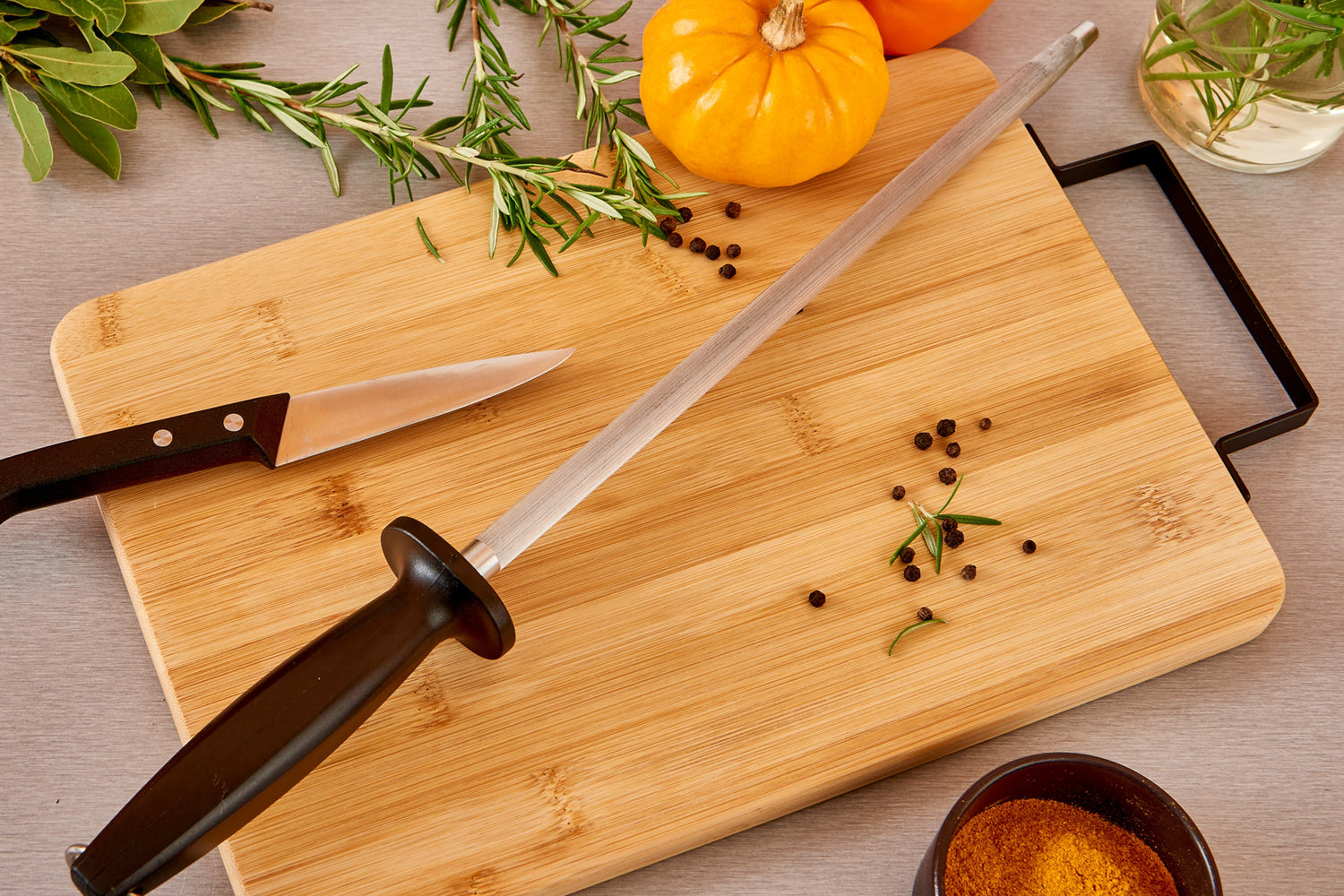
This is a very common cause. Using a glass or ceramic board dulls an edge almost instantly. If you use a wooden or plastic board, it's normal for the edge to wear down slightly over time. It's then time to consider sharpening.
Can I use an oil other than olive oil for the wooden handle?
Yes, olive oil is a simple solution because everyone has it. You can also use grapeseed oil or linseed oil, which are excellent nourishing oils for wood.