

Why chefs rely on precision accessories
Sometimes we think that cooking boils down to recipes, ingredients, fire, time, and a little instinct. But when you step into the kitchens of a top restaurant, or closely observe the movements of culinary artisans, one truth becomes clear. It's not just what you do that matters, it's how you do it. Detail in cooking is not secondary. It's at the heart of the craft. And to master it, chefs surround themselves with tools that match their exacting standards. The blade, the shape, the texture, the precision of the gesture and the tool have become essential markers of modern expertise. From slicing a vegetable with millimeter precision to plating a dessert that is both visually striking and ethereal, everything hinges on the mastery of the tools. In this world, every millimeter counts. Precision tools have become, for chefs, true extensions of their creativity. And beyond technical performance, they also tell a story. A story of respect for the craft, a taste for craftsmanship, and a quest for excellence that leaves nothing to chance.
The elegance of a perfect cut
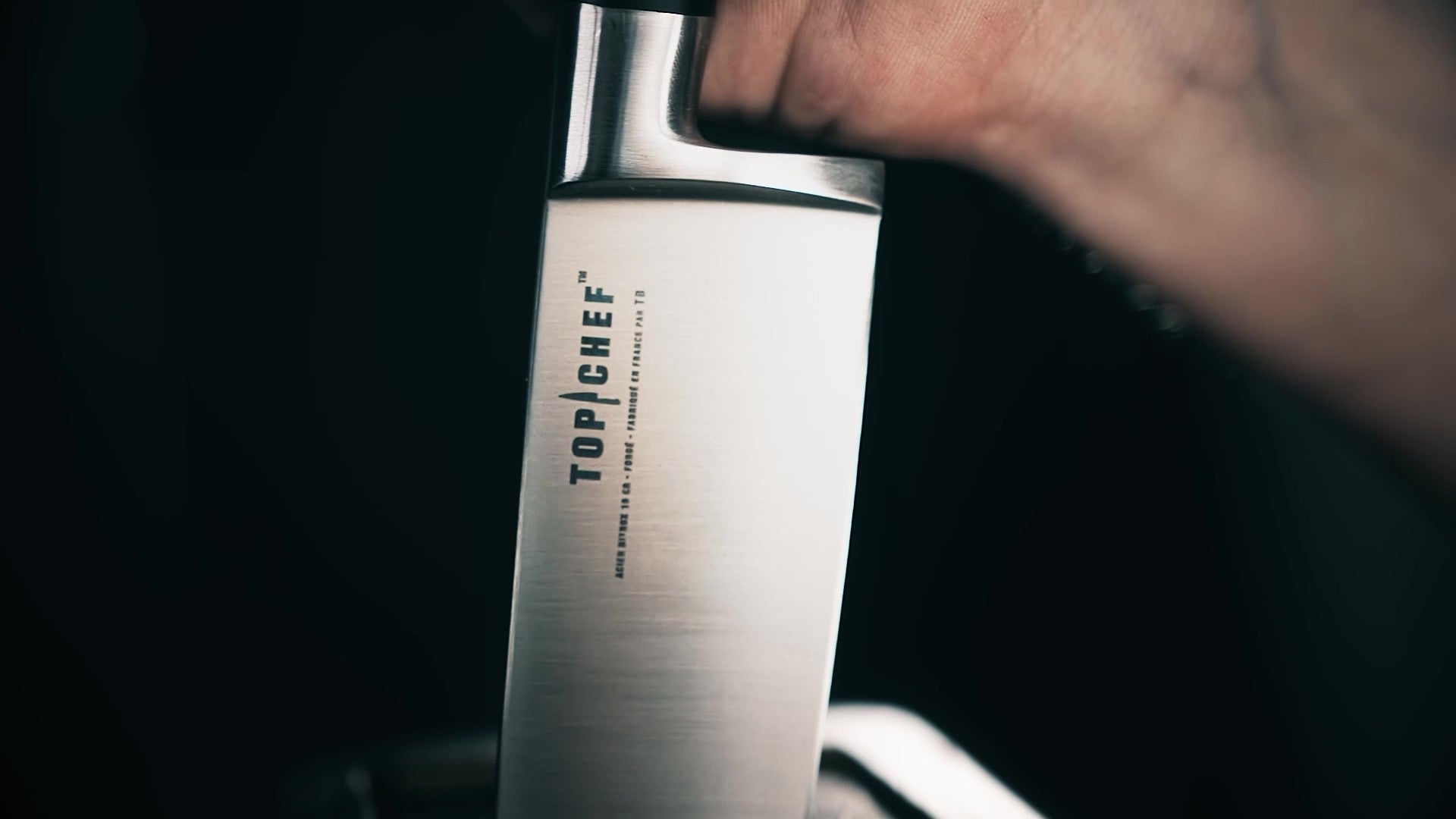
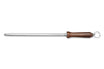
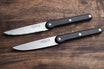
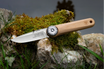
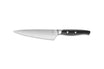
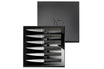
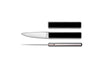
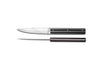
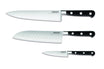
Take the knife, for example. It's not just a simple tool. It's often the cook's first companion, the one they choose carefully, sharpen, and respect. A well-balanced knife with a durable edge allows not only for a smoother cut but also a cleaner, more precise result. When cutting fish, filleting, or trimming a piece of meat, the edge makes all the difference. A poor blade tears the flesh, crushes the textures, and alters the product. Conversely, a well-forged blade allows you to work with precision. It follows the movement, adapts to the texture, and respects the product's structure. This precision serves aesthetics, of course, but also flavor. A poorly cut vegetable will cook unevenly. Meat that's badly sliced will lose its juices. The knife then becomes not only a tool of form but also a guarantor of accuracy in the kitchen. It's no coincidence that the greatest chefs speak of their knives as if they were musical instruments. They choose them with the same care a musician chooses their bow. And it is precisely this exacting standard that makes the difference between a good dish and an exceptional one.
When precision becomes a signature
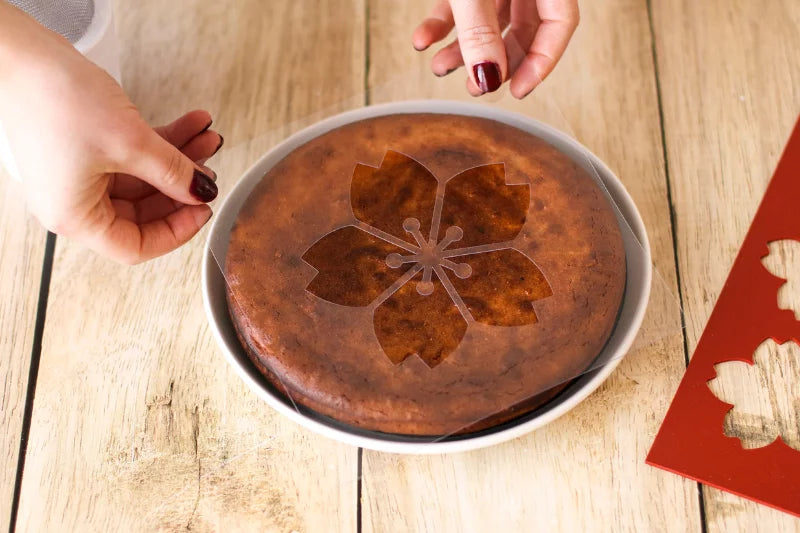
Contemporary cuisine has broken free from many conventions, but it has been enriched by a new language: that of graphic precision. Today, plating is no longer simply about being pretty. It tells a story, evokes an emotion, and expresses an intention. Each element must find its place on the plate with finesse. This is where other precision tools come into play. Stencils, molds, shapes, guides: a whole world of small tools that allow chefs to transform their ideas into concrete forms. In the culinary arts, these visual details are as important as textures and aromas. At La Chablonnerie Française , for example, they work hand in hand with chefs to create custom stencils and molds tailored to their needs. Whether it's creating a perfectly symmetrical chocolate motif, a unique cutter for a signature pastry, or an original shape for a vegetable purée, each tool is designed to enhance the artistry. And here again, the parallel with cutlery is obvious. Because the aim isn't to offer gadgets, but durable, precise tools that become everyday companions in the kitchen. Functional objects, yes, but also beautiful and designed to last.
An alliance between craftsmanship and technology
This attention to detail is part of a broader movement: a return to quality craftsmanship combined with modern technologies. At La Chablonnerie Française, they have chosen to offer a bespoke manufacturing service on demand. Thanks to 3D printing and digital cutting tools, they create unique accessories for very specific uses. Chefs no longer need to adapt to market trends; the tools adapt to them. It is this combination of tradition and innovation that appeals to professionals today. They want meaning, beauty, and durability, but also flexibility, responsiveness, and the ability to push the boundaries of their creativity.
The detail that changes everything
It's often said that great chefs are recognized by the smallest details. In the way they cut a blade of grass, turn a carrot, or apply a drop of sauce. It's true. But what makes these gestures possible are also the right tools. Tools that fit comfortably in the hand. Tools that cut effortlessly. Tools that allow for complete concentration. A good accessory isn't just about comfort. It's an extension of expertise. It's a way of showing respect for the product, for the customer, and for the craft. And this applies as much to knives as it does to stencils. An uneven chocolate circle can be enough to diminish the impact of a dessert. A blemish on a parmesan crisp can disrupt the harmony of a plate. Conversely, a clean line, an impeccable cut, a perfect shape can transform a simple dish into a visual masterpiece. Precision tools are therefore much more than technical tools. They play an integral part in the culinary experience, both in the kitchen and in the dining room. They become part of the chef's signature.
A demanding but fascinating world
Working with the food industry, whether in cutlery or the creation of molds and stencils, means entering a world where every detail counts. It means understanding that nothing is left to chance. And it also means sharing the passion of those who always strive for more. Chefs don't just aim to do well. They aim to do better. More precise, cleaner, more elegant. They want to surprise, to seduce, to tell a story. And to achieve this, they surround themselves with partners capable of meeting their exacting standards. In the kitchen, detail is never secondary. It's what makes the difference between a good dish and an unforgettable memory.