

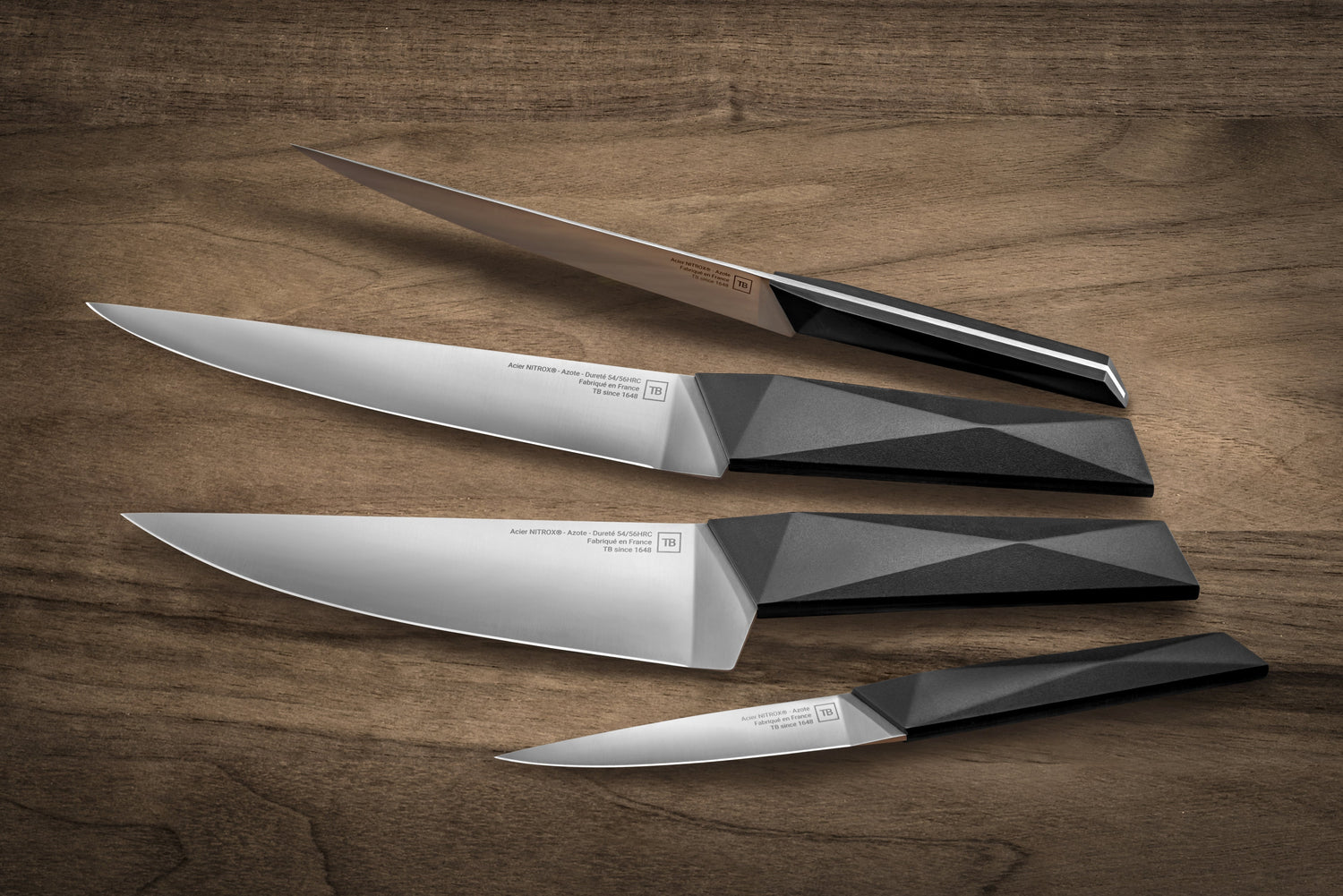
Cutting food is an essential skill in the kitchen. Whether preparing a delicate dish or achieving perfect results, using the right tools and techniques is crucial. Here are our tips for precisely cutting meat, fish, vegetables, and fruit, while showcasing the exceptional knives from TB 1648, made in France.
Cut the meat precisely
Choosing the right knife
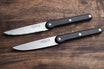
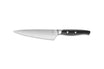
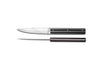
To cut meat, it's essential to use a knife suited to each type of meat. A meat knife is designed to slice through the meat fibers effortlessly. A good example is the TB 1648 19cm Stealth Meat Knife. Its black blade and ergonomic design allow you to cut clean, thin slices, ideal for roasts or steaks.
Cutting tip
For even slices, always start by cutting perpendicular to the grain of the meat. This makes it more tender and results in a more elegant presentation.
Cut the fish carefully
The ham knife, an ideal ally
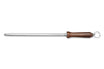
Although a ham knife is primarily used for ham, it's also perfect for slicing fish into thin strips. The 30cm Maestro Ham Knife , with its long, thin blade, allows you to make precise cuts, even in delicate fish.
Cutting tip
When cutting fish, be sure to use a "gliding" technique. Slide the knife blade across the flesh without applying too much pressure, to preserve the fish's texture. This will give you clean slices without tearing the flesh.
Chop the vegetables finely.
The Santoku knife: versatility and precision
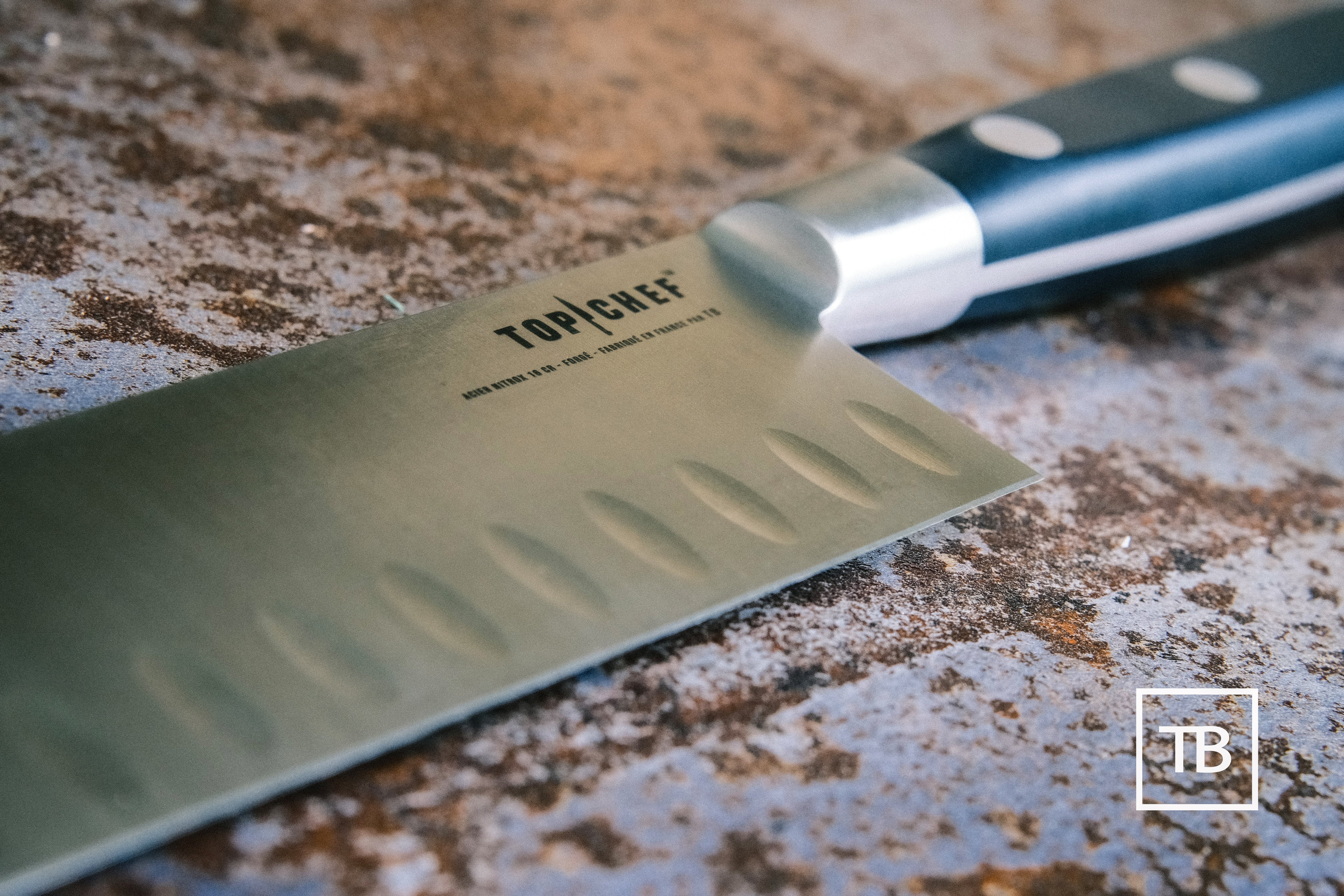
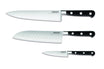
Santoku knives, like the Louis Collection Santoku Knife , are perfect for cutting vegetables. Their wide, sharp blade makes it easy to cut vegetables into even slices, while preserving their shape and texture.
Cutting tip
When cutting vegetables, it's important to hold them securely in place. Use a "push-pull" cutting technique, where you push the knife through the vegetable while making a slight back-and-forth motion. This technique allows you to cut easily without crushing the vegetables.
Cut the fruit gently.
The paring knife, an essential
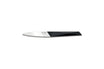
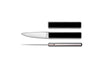
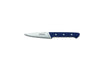
For fruit, a small paring knife is ideal. The 9cm Brigade Forge Premium Paring Knife is perfect for peeling, quartering, or slicing fruits like apples, oranges, or kiwis with precision.
Cutting tip
When cutting fruit, use a paring knife to make clean cuts without crushing the flesh. For softer fruits, such as tomatoes or peaches, use a thin, slightly serrated knife, like the Maestro Bacon Slicer .
The perfect tool for every task
The Georges Collection Butcher's Knife
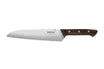
The Georges Collection butcher's knife, with its wooden handle, is designed for cutting raw meat. Its robust blade allows you to easily slice through even the thickest pieces and make clean cuts, even through bones.
The Georges Collection Boning Knife
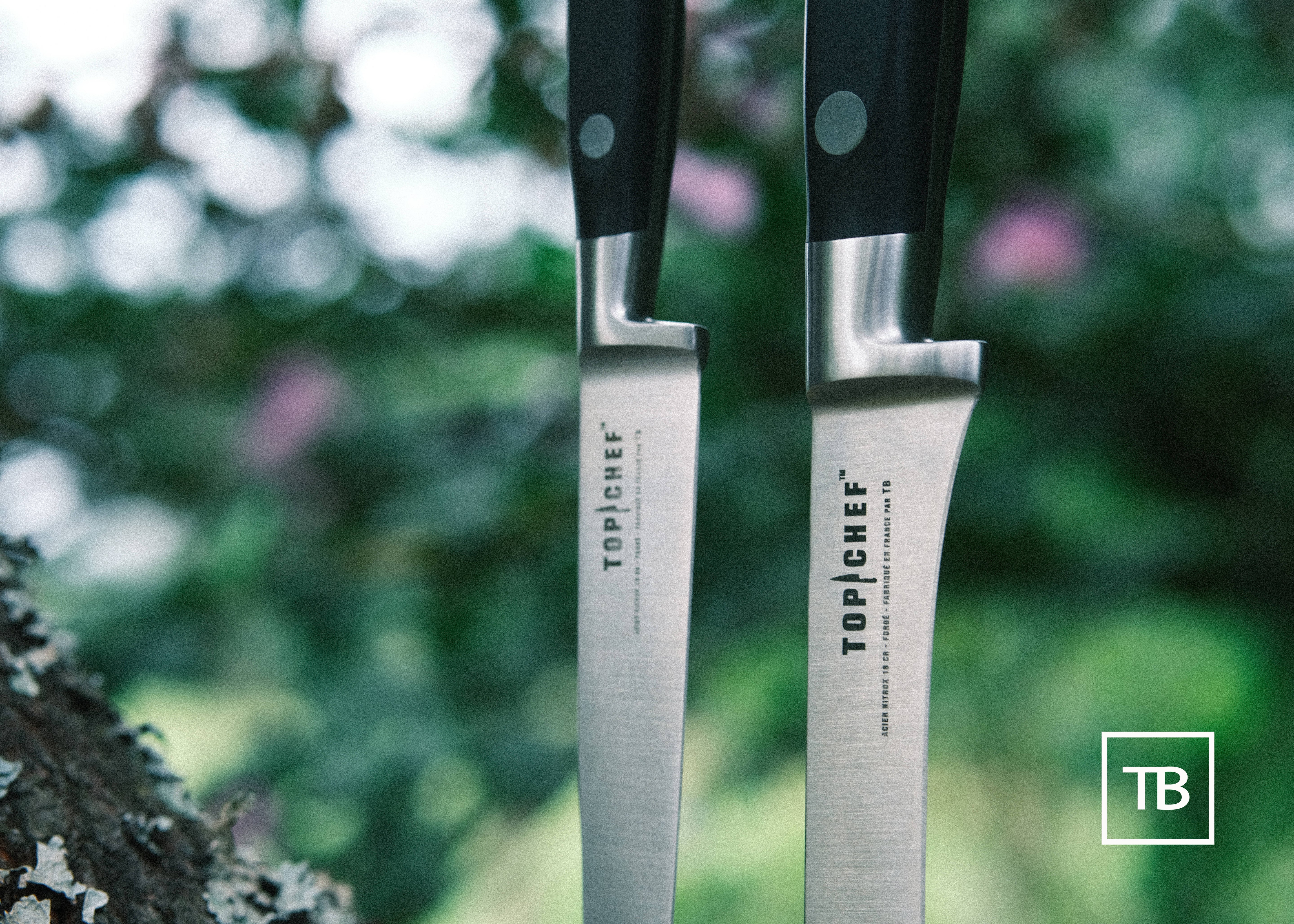
If you need to bone a piece of meat, the Georges Collection Boning Knife , with its POM handle, is the ideal tool. Its thin, flexible blade allows you to remove the bone without damaging the meat, for optimal cutting.
The Louis Collection Chef's Knife
The Louis Collection Chef's Knife is a must-have in any kitchen. Its superior blade ensures perfect cuts, whether you're chopping vegetables, slicing meat, or cutting fruit. Its balance and comfortable grip allow for precise cuts while reducing fatigue during extended use.
Conclusion
For perfect cuts, choosing the right knife for each type of food is essential. At TB 1648, every knife is designed to offer the precision and performance needed for every task in the kitchen. Whether you're an experienced chef or a passionate home cook, our knives are made to help you achieve excellence in your culinary creations. Discover our entire collection of high-quality knives, made in France, for slicing every type of food with finesse.